As an Amazon Associate, we earn from qualifying purchases. Some links on this site are affiliate links at no extra cost to you. Our recommendations are based on thorough research and editorial judgment.


How Do I Surf Responsibly As A Tourist?

To surf responsibly as tourists, we should follow local surf etiquette, like respecting wave priority and avoiding collisions. Choosing eco-friendly surf destinations helps reduce our environmental impact. We can also support local businesses by engaging in local commerce and cultural events. It’s crucial to respect marine ecosystems by using reef-safe products and minimizing waste. Finally, staying informed about seasonal surf conditions keeps us safe. If you’re interested, there’s much more to explore on this topic.
Key Takeaways
- Respect local surf etiquette by understanding wave priority and avoiding dropping in on others to ensure safety and harmony in the water.
- Maintain a safe distance from marine wildlife and avoid damaging fragile ecosystems like coral reefs to protect ocean habitats.
- Choose eco-friendly surf destinations and accommodations that prioritize environmental conservation and sustainable practices to minimize your impact.
- Support local businesses and engage in cultural experiences to contribute positively to the community and foster mutual respect.
- Stay informed about local surfing conditions, including potential hazards, to enhance both your safety and enjoyment while surfing.
Understand Local Surf Etiquette
You may be interested



When we arrive at a new surf spot, it’s essential to grasp the local surf etiquette to guarantee a safe and enjoyable experience for everyone. Familiarizing ourselves with wave priority is vital. The surfer closest to the peak has the right of way, so we should avoid dropping in on others, which can cause collisions.
Respecting local customs is equally important. Locals often have priority due to their experience, so patience is key. We should observe the lineup for a while before paddling out, noting who has priority and where the best waves form. Communicating our intentions clearly helps maintain harmony, while avoiding disruptive behaviors like snaking makes certain everyone can enjoy the waves safely. Additionally, consider taking lessons from experienced instructors who can provide valuable insights into local conditions and etiquette.
Recommended Products


Choose Eco-Friendly Surf Destinations

As we consider our next surfing adventure, it’s crucial to prioritize eco-friendly destinations that not only offer great waves but also support environmental conservation. By selecting surf spots that embrace eco tourism practices, we contribute to the preservation of essential ecosystems, such as mangroves and coastal forests.
When choosing a destination, look for sustainable accommodations that implement practices like solar energy use and water conservation. Popular locations such as Costa Rica and Indonesia exemplify this approach, integrating marine conservation with surf tourism. Additionally, opting for less crowded surf spots reduces environmental impact and promotes biodiversity. We can enjoy our surfing experiences while also supporting global ecological health, ensuring future generations can ride the waves we cherish today. Surfing in Costa Rica provides a unique opportunity to enjoy diverse surf spots while respecting the local environment.
Recommended Products

𝐒𝐨𝐟𝐭 𝐌𝐚𝐭𝐞𝐫𝐢𝐚𝐥: Enjoy the perfect blend of style and softness with our artfully designed printed velour front. No need to compromise on appearance for comfort; our towel feels as good as it looks.

HEMP-BLEND PERFORMANCE FABRIC — Crafted from 48% GRS-certified recycled polyester and 9% natural hemp, the Roark Shorey—summer shorts for men—delivers quick-dry performance, natural softness, and durability that improves with wear. Hemp fibers make these men's quick-dry boardshorts more breathable and eco-conscious than any all-synthetic surf trunk.
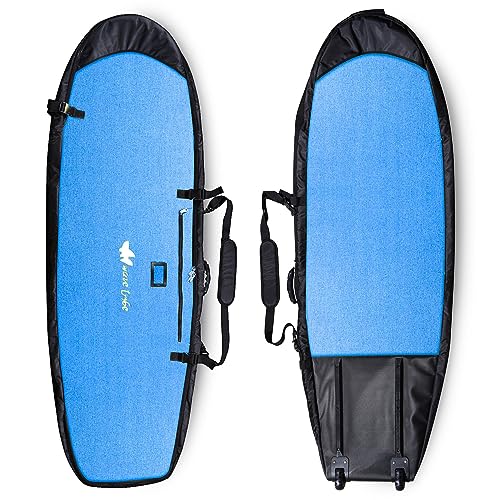
Hemp Surfboard Travel Bag: Crafted from durable hemp, this surf travel bag is eco-friendly, uses less plastic, and keeps surfboards 10 degrees cooler than normal plastic board bags. Includes a Wave Tribe leash and dry bag.
Support Local Businesses and Communities
Supporting local businesses and communities is essential for enhancing the positive impact of surf tourism. By choosing to engage with local surf shops, dining establishments, and accommodations, we contribute to economic sustainability. Local partnerships not only generate income but also create jobs, boosting the economy in surfing hotspots.
When we participate in local surf events or support local entrepreneurship, we help foster cultural exchange and community cohesion. Additionally, our spending circulates through various sectors, from transportation to markets, amplifying the economic benefits. This is particularly true in places like Fuerteventura, where local surf culture thrives on the engagement of both visitors and residents.
Ultimately, our responsible choices reinforce the importance of keeping revenue within the community. By prioritizing local businesses, we guarantee that surf tourism positively impacts both the economy and the culture of the areas we visit.
Recommended Products

EVERY ITEM IS CAREFULLY INSPECTED We make sure each product meets our high standards with no unwanted surprises, just the quality you expect and deserve.

Retro Surf Shop design. If you love expressing your uniqueness, this design is for you. With a vintage, retro-themed design inspired by the iconic fashions of the 60s and 70s, this design is sure to keep you looking stylish for decades to come.

Joe's Surf Shop Men's Surfboards Logo Heavyweight Cotton Tee
Respect Marine Ecosystems and Wildlife

To guarantee the health of marine ecosystems and wildlife while enjoying our time surfing, it’s crucial that we adopt responsible practices. By prioritizing marine conservation, we help protect the delicate balance of life around our surf breaks.
Here are some best practices we can follow:
- Maintain Distance: Keep a safe distance from marine wildlife to avoid disturbances and stress.
- Avoid Damage: Don’t anchor or walk on coral reefs or seagrass beds; they’re essential habitats.
- Reduce Pollution: Dispose of trash properly and limit single-use plastics to minimize waste.
- Use Eco-Friendly Products: Opt for reef-safe sunscreens to protect marine life from harmful chemicals, as these products are free from harmful chemicals that can damage sensitive ecosystems.
- Engage in Conservation: Support local initiatives focused on wildlife protection and ecosystem restoration.
Together, we can guarantee a healthier ocean for future generations.
Stay Informed About Seasonal Surf Conditions
Staying informed about seasonal surf conditions is essential for both enjoyment and safety while we’re out on the waves. Understanding seasonal forecasts helps us anticipate changes in wave patterns, ensuring a better surfing experience.
Seasonal Trends
- Fall: Best conditions with consistent waves and offshore winds.
- Winter: Ideal for specific locations with strong swells and fewer crowds.
- Summer: Smaller, inconsistent waves; crowded beaches favored by beginners.
- Spring: Semi-consistent swells; cooler water makes it less popular.
Safety Tips
We should regularly check local surf reports, as conditions can change rapidly. Being aware of water temperatures and potential hazards will keep our surfing experience enjoyable and safe. Additionally, knowing the local surf etiquette can enhance our interactions with fellow surfers and promote a positive atmosphere in the water.
Use Sustainable Surf Gear and Equipment
Using sustainable surf gear and equipment is a responsible way to enhance our surfing experience while minimizing our impact on the environment. By choosing sustainable surfboards, we can markedly reduce carbon emissions associated with production. These boards utilize eco-friendly materials like bamboo, cork, and sustainable resins, which lessen our ecological footprint.
Additionally, we should consider eco-friendly accessories such as traction pads and leashes made from recycled components, which help decrease plastic waste. Surf fins made from sustainable fibers and surfboard bags crafted from organic materials further support our commitment to the environment. By selecting high-quality, durable gear, we extend the lifespan of our equipment, ultimately reducing waste and promoting a healthier ocean ecosystem for future generations. Furthermore, opting for eco-friendly wetsuits can enhance our thermal insulation and comfort while participating in water sports.
Recommended Products

SOFT, FULL-BODY COMFORT – Our viscose made from bamboo little baby pajamas gives a smooth, flexible feel for sleep, rest, and everyday wear. Long sleeves and full-length legs provide coverage, while the one-piece design keeps dressing simple from newborn through toddler infant sizing.

[ Biodegradable Bamboo Wipes ] Oil Slick Beach Tar Remover wipes are made from 100% biodegradable bamboo, ensuring a sustainable and eco-friendly solution for removing tough tar and oil stains from beaches and other surfaces.

SOFT, STRETCHY COMFORT – Made with 95% viscose derived from bamboo and 5% spandex, Bamboo Little’s newborn onesies feel soft, breathable, and flexible for sleep, play, and everyday cuddles. The lightweight fabric moves easily with little bodies for cozy comfort without bulky layers.
Participate in Conservation Initiatives
Participating in conservation initiatives not only helps protect our oceans and surf environments but also enhances our overall surfing experience. By engaging with surf conservation organizations, we can join conservation camps that focus on preserving essential ecosystems like coral reefs and mangroves.
Community involvement is significant, as it strengthens local economies and supports businesses tied to surfing and ecological preservation. We can participate in volunteer opportunities such as beach cleanups or habitat restoration projects, helping to maintain water quality and biodiversity.
Through these efforts, we contribute to the establishment of Surf Protected Areas, ensuring that our favorite surf spots remain vibrant and healthy for both surfers and marine life.
Prioritize Safety and Surfing Infrastructure
When we prioritize safety and surfing infrastructure, we greatly enhance our overall experience in the water. Understanding local surfing conditions, like rip currents and wave sizes, is vital for our safety. We should also respect lifeguard warnings and designated swimming zones to minimize risks.
Beach accessibility plays a significant role in our surfing safety; less crowded, easily accessible beaches are often safer. Supporting local operators who maintain safety equipment, such as leashes and helmets, can greatly reduce injury risks.
Additionally, we must stay informed about seasonal conditions and comply with local regulations. By doing so, we not only protect ourselves but also contribute to the overall safety and enjoyment of the surfing community.
Recommended Products

【Perfect for Most Boards】:10ft Fully Extendable Coil Leash for All Boards – One surfboard leash fits unlimited boards! Our 10ft coiled SUP leash is fully extendable, suitable for most longboard surfboards, iSUP, paddleboards and boogie boards. It fits surfers from beginner to pro, serving as your reliable go-to companion whether you’re riding your everyday board or trying something new.
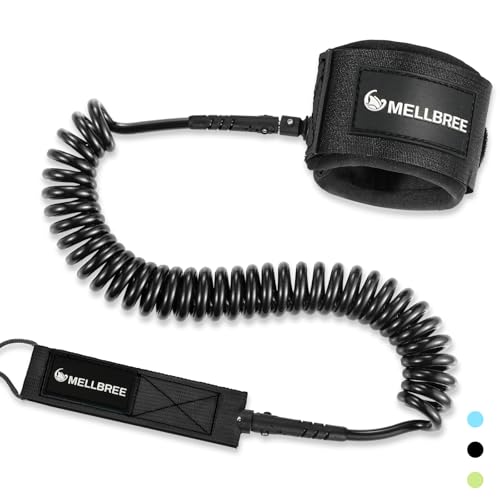
【Perfect for Most Boards】:10ft Fully Extendable Surf Board Leash for All Boards – One surfboard leash fits unlimited boards! Our 10ft coiled SUP leash is fully extendable, suitable for most longboard surfboards, iSUP, flite board, paddleboards and boogie boards. It fits surfers from beginner to pro, serving as your reliable go-to companion whether you’re riding your everyday board or trying something new

【Perfect for Most Boards】:10ft Fully Extendable Coil Leash for All Boards – One surfboard leash fits unlimited boards! Our 10ft coiled SUP leash is fully extendable, suitable for most longboard surfboards, iSUP, paddleboards and boogie boards. It fits surfers from beginner to pro, serving as your reliable go-to companion whether you’re riding your everyday board or trying something new.
Engage in Cultural Experiences Responsibly
Engaging in cultural experiences responsibly is essential, not only for enriching our travels but also for fostering mutual respect with local communities. We should practice cultural sensitivity by learning local customs and adhering to dress codes, particularly at cultural or religious sites.
When interacting with locals, let’s seek permission before taking photographs and participate ethically in community activities. Supporting family-owned businesses and purchasing locally made souvenirs helps sustain local economies.
Furthermore, we can minimize our environmental impact by following waste management protocols and using eco-friendly transportation. By prioritizing ethical engagement and respecting cultural heritage, we can create meaningful exchanges that benefit both us and the communities we visit.
Frequently Asked Questions
How Can I Find Reputable Surf Schools in Unfamiliar Areas?
Steering through the waves of unfamiliar territory, we can seek out reputable surf schools by diving into online reviews and gathering local recommendations. This guarantees we find a school that aligns with our surfing aspirations and safety needs.
What Should I Do if I See Someone in Danger While Surfing?
If we see someone in danger while surfing, we should prioritize ocean safety by alerting lifeguards, staying calm, and using emergency response techniques. It’s essential to act quickly but safely to help without endangering ourselves.
Are There Specific Certifications for Eco-Friendly Surf Tourism Operators?
Yes, there are eco certification programs like STOKE and EarthCheck that promote sustainable surf tourism. They guarantee operators meet environmental standards, support local communities, and engage in responsible practices, benefiting both travelers and the planet.
How Can I Minimize My Carbon Footprint While Traveling to Surf?
To minimize our carbon footprint while traveling to surf, we can embrace sustainable travel tips like using trains or buses and explore carbon offsetting strategies to support conservation efforts that protect our precious surf ecosystems.
What Are the Best Practices for Sharing Surf Spots With Locals?
Did you know that 70% of surfers believe local etiquette enhances their experience? By respecting locals and sharing waves, we foster friendships, create harmony, and enjoy the surf community, ensuring everyone has a great time in the water.