As an Amazon Associate, we earn from qualifying purchases. Some links may be affiliate links at no extra cost to you. Although our opinions are based on curated research, we haven't used these products. Articles generated with AI.
What Muscles Does Surfing Work?

Surfing engages several muscle groups throughout our bodies. Key areas include:
- Shoulders: The rotator cuff stabilizes our movements during paddling.
- Chest: Pectoral muscles generate power for strokes and push-ups.
- Arms: Deltoids and triceps enhance paddling efficiency and endurance.
- Core: Core muscles maintain stability, balancing us on the board.
- Back: Strong back muscles improve posture and reduce fatigue.
You may be interested



Collectively, these muscles guarantee we perform well. Continuing on, we’ll explore other important muscle groups.
Key Takeaways
- Surfing engages the rotator cuff muscles, essential for shoulder stability and injury prevention during paddling.
- The pectoralis major and minor are crucial for generating power while paddling and transitioning to standing.
- Deltoids and triceps improve paddling efficiency, arm endurance, and facilitate strong strokes.
- Core muscles, including the transverse abdominis and obliques, enhance stability and balance on the surfboard.
- Back muscles like the erector spinae support proper posture and reduce fatigue during paddling sessions.
Shoulder Muscles Engaged in Surfing
When we paddle out to catch waves, several key shoulder muscles are actively engaged, playing vital roles in our performance and stability. The rotator cuff, consisting of the supraspinatus, infraspinatus, subscapularis, and teres minor, is essential for shoulder stability during paddling. These muscles help prevent impingement, a common issue for surfers due to overuse.
However, we often find that external rotators, like the infraspinatus and teres minor, can be weaker than internal rotators, leading to imbalances. Strengthening our rotator cuff is vital to improve scapular mechanics, enhance our paddling efficiency, and reduce injury risks. By focusing on these muscles, we can enhance our surfing experience and maintain shoulder health. Additionally, incorporating balance boards for core strength into your training routine can further support shoulder stability and overall performance.
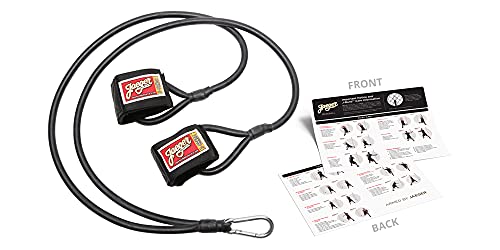
A pitchers best friend - it strengthens and stretches

Weighted Balls for Baseball, Softball, Pilates & Toning Workouts, Yellow, 2.2LB

THERABAND FlexBar Green is ideal for those suffering from tennis elbow aches, looking to increase flexibility and range of motion, and to strengthen the elbow, wrist, forearm, and hand
Chest Muscles and Their Role
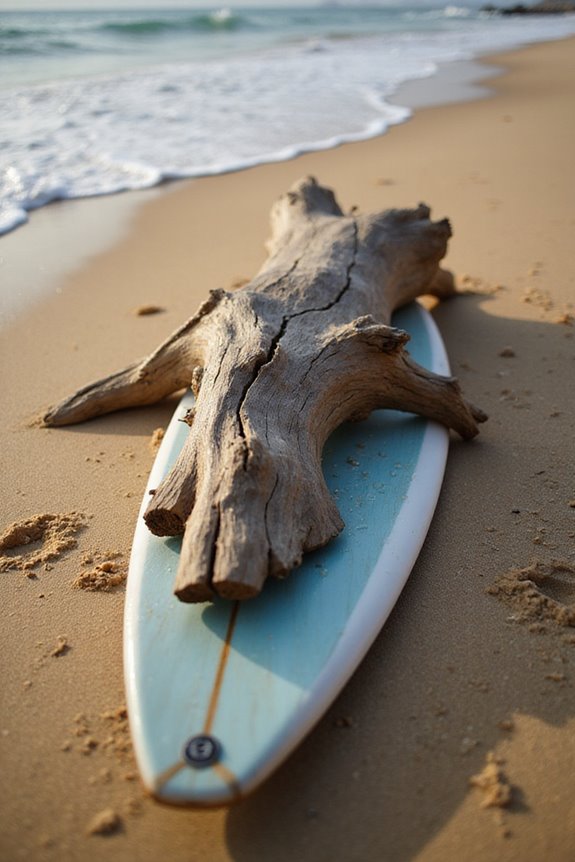
The chest muscles, primarily the pectoralis major and pectoralis minor, play an essential role in surfing performance. These muscles are vital for generating paddling power, allowing us to push through the water effectively. They also contribute greatly to chest muscle endurance, enabling us to sustain long sessions on the board without excessive fatigue.
During key movements like duck diving, the chest muscles help push the surfboard underwater, important for maneuvering through waves. Additionally, when we pop up from a prone position to standing, the chest muscles engage strongly to lift our upper body. Overall, strong chest muscles enhance our stability and coordination, working in harmony with our arms and core to improve our surfing experience. Furthermore, practicing with a surf training aid can significantly enhance muscle engagement and technique for beginners.

WEBBED THERMAL GLOVE - These paddle waterproof gloves keep your hand warm during cold winter weather and they have a webbed finger design for added surface.
![N-rit Compression Cooling Arm Sleeves for Men and Women, UV Sun Protection, Ideal for all Sports and Activities. Made in Korea [Baby Pink]](https://m.media-amazon.com/images/I/218qXpkLeUL._SL500_.jpg)
ERGONOMIC DESIGN: Flexible elasticity stretches to fit any arm size, ideal for both genders. Interior seamless threading and 3D weaving design makes it comfortable and easy to wear
Arm Muscles Crucial for Paddling
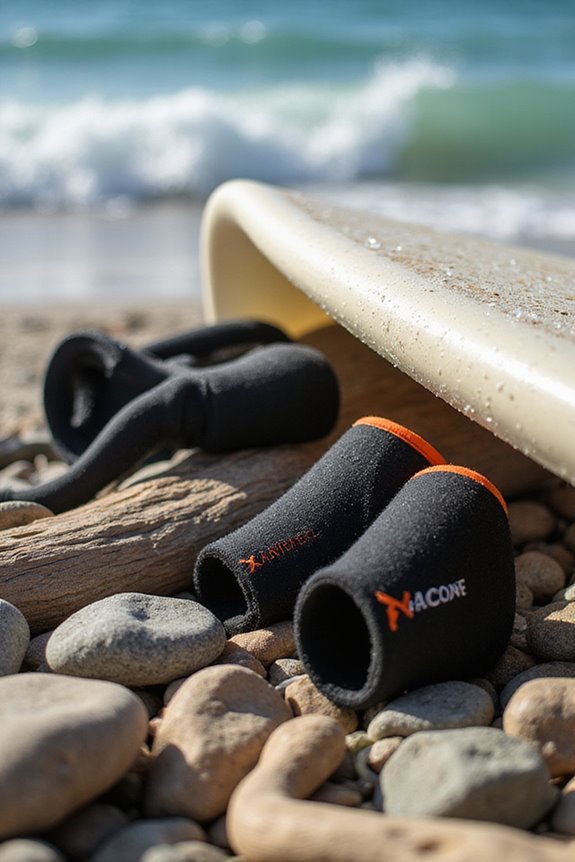
Strong arm muscles are vital for effective paddling, building on the foundational strength provided by our chest muscles. The deltoids and triceps play a significant role in our paddling efficiency. The mid and posterior deltoids engage during the recovery phase, aiding in arm elevation and forward propulsion.
Triceps training is essential as well, enabling strong arm extension and powerful strokes. Well-developed triceps enhance our arm endurance, reducing fatigue during long surf sessions. Together, these muscles facilitate pushing against the water, helping us generate forward movement and smoothly shift between paddling and standing on the board. By focusing on strengthening our arm muscles, we improve our overall performance in the water. Additionally, engaging in core strengthening workouts can further enhance our paddling effectiveness by providing stability and control on the board.

27-INCH HIGH QUALITY NYLON BRAIDED ROPE: Constructed of heavy-duty black nylon braided rope with Stainless Steel Carabiner
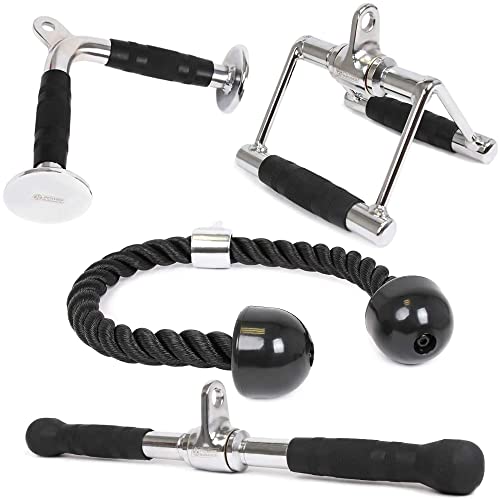
Get the most out of your cable machine with our high-quality, solid steel attachments! Our V-shaped bar, V handle with rotation, straight rotating bar, and nylon braided tricep rope are all designed to help you isolate each muscle group for maximum results

Two Lengths Built in One Rope – Features dual grip options: 28.7" (outer loops) and 22" (inner loops), making it longer than most tricep straps and pull-down ropes on the market. Two lengths are suitable for all body sizes, especially for larger bodybuilders.
Core Muscles for Stability and Balance
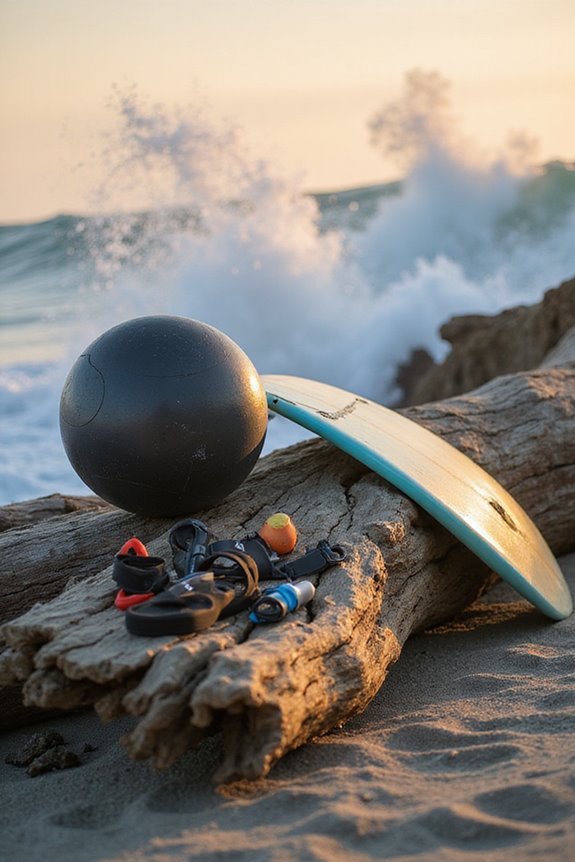
Core muscles play an essential role in maintaining stability and balance while surfing, ensuring we can navigate waves effectively. These muscles include the transverse abdominis, which provides deep support for spinal stability, and the obliques, which assist with twisting and turning on the board.
To enhance core stability, we can engage in balance training exercises such as:
- Balance board workouts that simulate surf conditions.
- One-legged balance drills to improve ankle and knee stability.
- Side-to-side shuffles to activate lateral core muscles.
Incorporating these practices helps us develop the strength and control necessary for dynamic movements, making it easier to stay centered and adjust during challenging wave rides. By prioritizing core stability, we can improve our overall surfing performance and reduce injury risk. Additionally, incorporating yoga poses for surfers can further enhance core strength and stability, providing a well-rounded approach to training.
Back Muscles Supporting Paddling and Posture
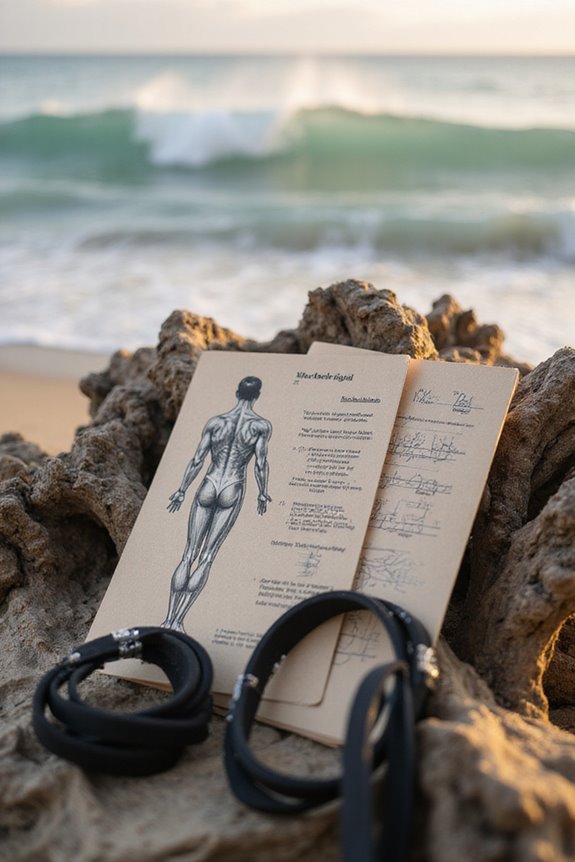
When we paddle out to catch waves, back muscles play an essential role in supporting our posture and enhancing our performance. The erector spinae, lower back muscles, and thoracic extensors are vital for maintaining spinal extension, which keeps our torso lifted and aligned. This muscle activation helps prevent fatigue and reduces the risk of injury during long paddling sessions.
To improve our endurance, incorporating exercises like Superman lifts and rotational stability drills can build strength in these areas. Prioritizing proper hand positioning and keeping our elbows high during paddling maximizes back muscle engagement. Additionally, using a reef-safe sunscreen is crucial to protect your skin while enjoying the waves, as this helps minimize harmful environmental impacts. Together, these practices guarantee we stay strong, stable, and ready to tackle any wave that comes our way.
Leg and Glute Muscles for Wave Riding
To enhance our performance, focusing on leg muscle endurance is crucial. Strong, enduring legs help absorb wave shocks, maintain posture, and improve our pop-ups, all contributing to better overall surfing stamina and control on the water. Additionally, buoyant designs in surfboards aid in balance, further supporting leg and glute muscle engagement during wave riding.
Frequently Asked Questions
How Can I Prevent Shoulder Injuries While Surfing?
To prevent shoulder injuries while surfing, we should prioritize shoulder mobility through dynamic stretches and targeted strengthening exercises. By focusing on injury prevention techniques, we can enjoy surfing while keeping our shoulders safe and healthy.
What Are Effective Warm-Up Exercises for Surfers?
To prepare for surfing, we should focus on dynamic stretches and mobility drills. Engaging in thoracic rotations, hip activations, and full-body movements helps enhance flexibility and readiness for the waves ahead.
How Does Surfing Impact Overall Muscle Tone?
Surfing considerably impacts our overall muscle tone, enhancing core stability through constant muscle engagement. This dynamic activity builds strength and endurance, improving our balance and coordination while promoting a lean, fit physique tailored for ocean adventures.
Can Surfing Improve My Cardiovascular Fitness?
When we ride the waves, we’re not just having fun; surfing benefits our cardiovascular endurance considerably. It boosts heart health and keeps us fit, making every session a powerful workout for our hearts.
What Nutrition Is Best for Muscle Recovery After Surfing?
For ideal muscle recovery after surfing, we should focus on protein sources like lean meats and dairy, while implementing hydration strategies to replenish lost fluids. This combination supports our muscles’ repair and overall recovery effectively.