As an Amazon Associate, we earn from qualifying purchases. Some links on this site are affiliate links at no extra cost to you. Our recommendations are based on thorough research and editorial judgment.
What Muscles Does Surfing Work? 2026 Fitness Benefits

Surfing engages several muscle groups throughout our bodies. Key areas include:
- Shoulders: The rotator cuff stabilizes our movements during paddling.
- Chest: Pectoral muscles generate power for strokes and push-ups.
- Arms: Deltoids and triceps enhance paddling efficiency and endurance.
- Core: Core muscles maintain stability, balancing us on the board.
- Back: Strong back muscles improve posture and reduce fatigue.
You may be interested



Collectively, these muscles guarantee we perform well. Continuing on, we’ll explore other important muscle groups.
Key Takeaways
- Surfing engages the rotator cuff muscles, essential for shoulder stability and injury prevention during paddling.
- The pectoralis major and minor are crucial for generating power while paddling and transitioning to standing.
- Deltoids and triceps improve paddling efficiency, arm endurance, and facilitate strong strokes.
- Core muscles, including the transverse abdominis and obliques, enhance stability and balance on the surfboard.
- Back muscles like the erector spinae support proper posture and reduce fatigue during paddling sessions.
Shoulder Muscles Engaged in Surfing
When we paddle out to catch waves, several key shoulder muscles are actively engaged, playing vital roles in our performance and stability. The rotator cuff, consisting of the supraspinatus, infraspinatus, subscapularis, and teres minor, is essential for shoulder stability during paddling. These muscles help prevent impingement, a common issue for surfers due to overuse.
However, we often find that external rotators, like the infraspinatus and teres minor, can be weaker than internal rotators, leading to imbalances. Strengthening our rotator cuff is vital to improve scapular mechanics, enhance our paddling efficiency, and reduce injury risks. By focusing on these muscles, we can enhance our surfing experience and maintain shoulder health. Additionally, incorporating balance boards for core strength into your training routine can further support shoulder stability and overall performance.
Recommended Products
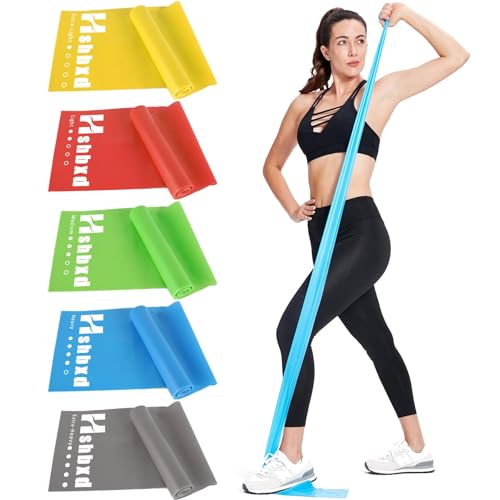
Good Quality Exercise Bands - Made of TPE material, TPE is environmentally friendly, non-toxic and safe, has a wide range of hardness, soft touch, weather resistance, fatigue resistance and temperature resistance, used TPE old products can be recycled after simple regeneration, reducing Environmental pollution, expanding the source of renewable resources. The product is latex and powder free and fragrance free.

High End Exercise Bands. Our 12"³ By 2"³ Heavy Duty Loop Resistance Bands Come In 5 Varying Resistance Levels. This Makes Them Perfect Whether You Are Just Starting To Workout Or A Seasoned Workout Warrior. Our Extra Light And Light Bands Are Great For Beginners, While Our Medium, Heavy And Extra Heavy Exercise Bands Are Targeted For More Intermediate And Advanced Strength Training.

💖Resistance Bands for Women: Our exercise bands are based on market conditions to upgrade women's resistance bands, to upgrade the stretching strength of the resistance band set (each resistance band represents a different resistance level, 10 lbs, 15 lbs, 20 lbs, 25 lbs, 30 lbs.) This helps you to easily adjust the resistance levels required for various muscle exercises according to the intensity of different sports. One kit can meet all your exercise needs.
Chest Muscles and Their Role
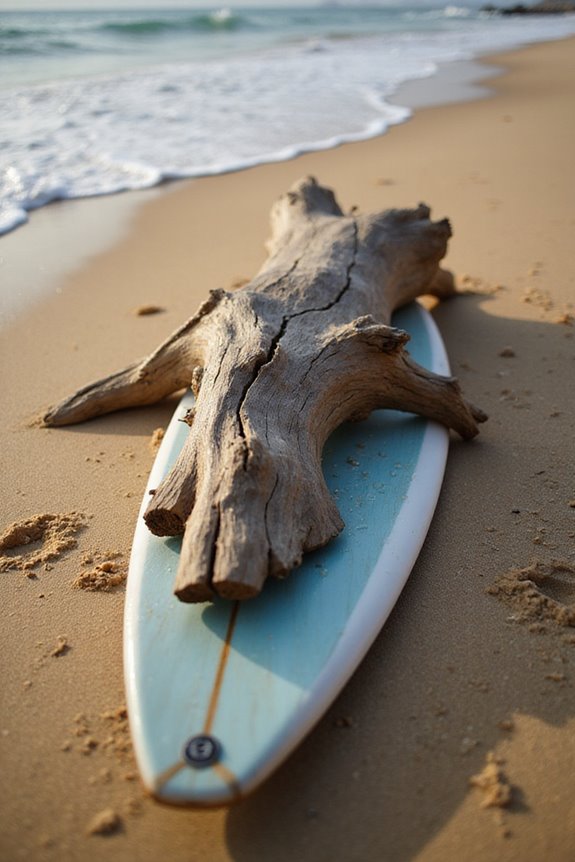
The chest muscles, primarily the pectoralis major and pectoralis minor, play an essential role in surfing performance. These muscles are vital for generating paddling power, allowing us to push through the water effectively. They also contribute greatly to chest muscle endurance, enabling us to sustain long sessions on the board without excessive fatigue.
During key movements like duck diving, the chest muscles help push the surfboard underwater, important for maneuvering through waves. Additionally, when we pop up from a prone position to standing, the chest muscles engage strongly to lift our upper body. Overall, strong chest muscles enhance our stability and coordination, working in harmony with our arms and core to improve our surfing experience. Furthermore, practicing with a surf training aid can significantly enhance muscle engagement and technique for beginners.
Recommended Products
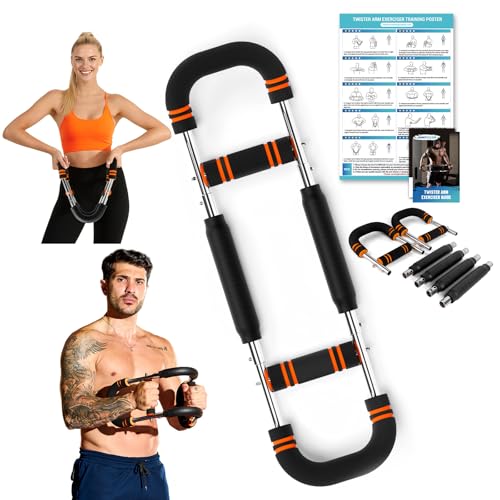
[Professional-Grade Twister Arm Trainer] Engineered for serious strength building, our twister arm trainer offers adjustable 30-120lbs heavy-duty resistance - perfect for men aiming to sculpt chest muscles, enhance arm definition, and push through plateaus. Outperforms standard 60lbs trainers with real muscle growth results.

【High-Strength & Safe Grip】:This Twister Arm Trainer is built with high-strength, adjustable power springs that deliver consistent power output. The steel core is wrapped in a protective sleeve for safety, while the ergonomic anti-slip foam handles ensure a secure and comfortable grip during intense chest and arm trainer sessions, making every rep effective and safe

Data Research: BudgetBliss conducted extensive research and found that chest workout equipment (66-110 lbs) is best suited for most men, from daily workouts to muscle-building exercises. Lower resistance levels are less challenging, while higher resistance levels are less accessible
Arm Muscles Crucial for Paddling
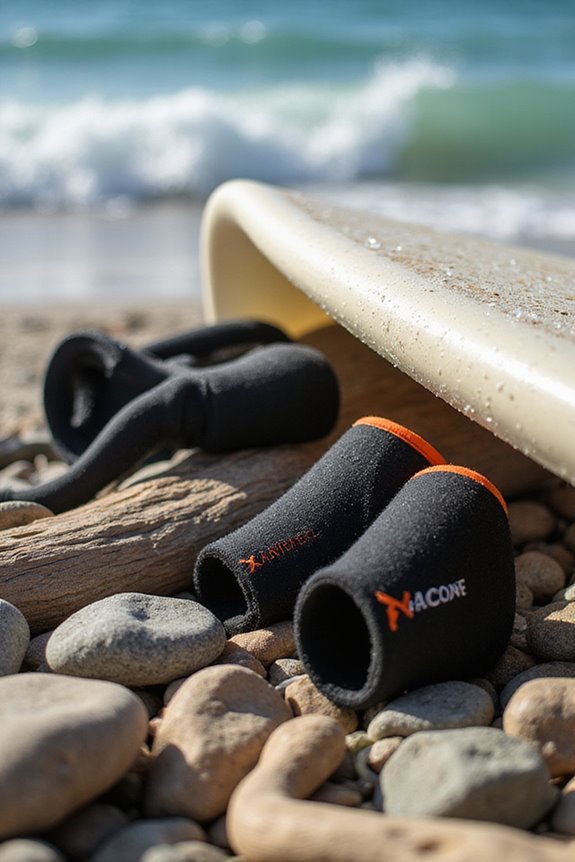
Strong arm muscles are vital for effective paddling, building on the foundational strength provided by our chest muscles. The deltoids and triceps play a significant role in our paddling efficiency. The mid and posterior deltoids engage during the recovery phase, aiding in arm elevation and forward propulsion.
Triceps training is essential as well, enabling strong arm extension and powerful strokes. Well-developed triceps enhance our arm endurance, reducing fatigue during long surf sessions. Together, these muscles facilitate pushing against the water, helping us generate forward movement and smoothly shift between paddling and standing on the board. By focusing on strengthening our arm muscles, we improve our overall performance in the water. Additionally, engaging in core strengthening workouts can further enhance our paddling effectiveness by providing stability and control on the board.
Recommended Products

390lb Heavy-Duty Resistance Band Set: Our exercise bands offer up to 390 pounds of resistance, with six different levels ranging from 40 to 90 pounds. You're free to customize your workout intensity by combining these bands according to your strength.Ideal for serious athletes and fitness enthusiasts seeking maximum resistance for their workouts.

Adjustable Resistance Bands Set: 5 resistance levels, Pink 10 lbs, Medium pink 20 lbs, Blue 30 lbs, Grey 40 lbs, Black 50 lbs. Stackable exercise bands, both in 51", maximum resistance is 150 lbs

VERSATILE WORKOUT BAND: Resistance band supports a variety of popular exercise routines at home or the gym, including assisted pull-ups, chin-ups, biceps curls, calisthenics, and stretching
Core Muscles for Stability and Balance
Core muscles play an essential role in maintaining stability and balance while surfing, ensuring we can navigate waves effectively. These muscles include the transverse abdominis, which provides deep support for spinal stability, and the obliques, which assist with twisting and turning on the board.
To enhance core stability, we can engage in balance training exercises such as:
- Balance board workouts that simulate surf conditions.
- One-legged balance drills to improve ankle and knee stability.
- Side-to-side shuffles to activate lateral core muscles.
Incorporating these practices helps us develop the strength and control necessary for dynamic movements, making it easier to stay centered and adjust during challenging wave rides. By prioritizing core stability, we can improve our overall surfing performance and reduce injury risk. Additionally, incorporating yoga poses for surfers can further enhance core strength and stability, providing a well-rounded approach to training.
Recommended Products
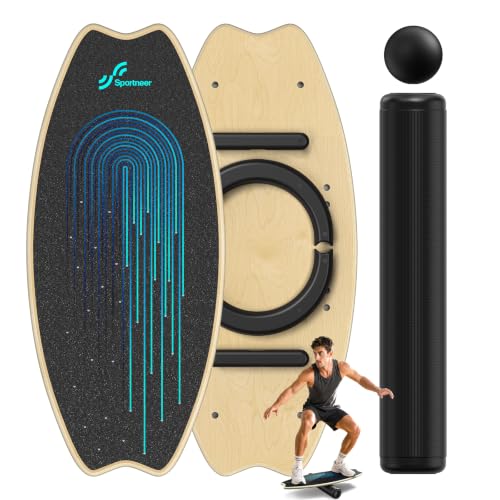
Multifunctional 2-in-1 Set: The Sportneer 2-in-1 set is a versatile balance board that will help you level up many of your favorite exercises. It comes with a balance board, a roller, and a ball, making it easy to fit your needs. There are 7 challenge modes available and 4 independent magnetic removable stoppers to make it convenient for you to adjust the distance for your preferred level.

1. PREMIUM 8-LAYER MAPLE CONSTRUCTION Crafted from 100% natural 8-layer Canadian maple wood with a 0.5" thick deck, our balance board delivers exceptional durability and stability. The rocket-shaped flat board measures 28.5" x 11.8", providing a spacious standing platform that supports up to 265 lbs (120 kg) — built to withstand intense daily training sessions.

Customizable Challenge for All Skill Levels stoppers that let you adjust the tilt range from narrow to wide. Beginners start with stable, controlled movements, while advanced users remove stoppers entirely for full-range training. One board grows with you as your balance improves.
Back Muscles Supporting Paddling and Posture
When we paddle out to catch waves, back muscles play an essential role in supporting our posture and enhancing our performance. The erector spinae, lower back muscles, and thoracic extensors are vital for maintaining spinal extension, which keeps our torso lifted and aligned. This muscle activation helps prevent fatigue and reduces the risk of injury during long paddling sessions.
To improve our endurance, incorporating exercises like Superman lifts and rotational stability drills can build strength in these areas. Prioritizing proper hand positioning and keeping our elbows high during paddling maximizes back muscle engagement. Additionally, using a reef-safe sunscreen is crucial to protect your skin while enjoying the waves, as this helps minimize harmful environmental impacts. Together, these practices guarantee we stay strong, stable, and ready to tackle any wave that comes our way.
Recommended Products

POWERFUL MINERAL SUNSCREEN - Protect sensitive skin from the sun’s harmful rays with Blue Lizard Sensitive Mineral SPF 50 Sunscreen Lotion it contains no harsh chemical active ingredients that might irritate sensitive skin.

INDEPENDENTLY TESTED ON LIVE CORAL – The SPF 50 Coral Isles sunscreen lotion was evaluated by an independent third-party laboratory using live coral. Under the 14 day in-vitro labratory study, the live coral showed no signs of distress or bleaching.

MAXIMUM PERFORMANCE MINERAL SUNSCREEN: Broad Spectrum SPF 50 protection using non-nano uncoated Zinc Oxide to shield against UVA & UVB rays, clinically tested safe for sensitive skin, suitable sunblock for face, body, and heavy outdoor activity
Leg and Glute Muscles for Wave Riding
To enhance our performance, focusing on leg muscle endurance is crucial. Strong, enduring legs help absorb wave shocks, maintain posture, and improve our pop-ups, all contributing to better overall surfing stamina and control on the water. Additionally, buoyant designs in surfboards aid in balance, further supporting leg and glute muscle engagement during wave riding.
Frequently Asked Questions
How Can I Prevent Shoulder Injuries While Surfing?
To prevent shoulder injuries while surfing, we should prioritize shoulder mobility through dynamic stretches and targeted strengthening exercises. By focusing on injury prevention techniques, we can enjoy surfing while keeping our shoulders safe and healthy.
What Are Effective Warm-Up Exercises for Surfers?
To prepare for surfing, we should focus on dynamic stretches and mobility drills. Engaging in thoracic rotations, hip activations, and full-body movements helps enhance flexibility and readiness for the waves ahead.
How Does Surfing Impact Overall Muscle Tone?
Surfing considerably impacts our overall muscle tone, enhancing core stability through constant muscle engagement. This dynamic activity builds strength and endurance, improving our balance and coordination while promoting a lean, fit physique tailored for ocean adventures.
Can Surfing Improve My Cardiovascular Fitness?
When we ride the waves, we’re not just having fun; surfing benefits our cardiovascular endurance considerably. It boosts heart health and keeps us fit, making every session a powerful workout for our hearts.
What Nutrition Is Best for Muscle Recovery After Surfing?
For ideal muscle recovery after surfing, we should focus on protein sources like lean meats and dairy, while implementing hydration strategies to replenish lost fluids. This combination supports our muscles’ repair and overall recovery effectively.