As an Amazon Associate, we earn from qualifying purchases. Some links on this site are affiliate links at no extra cost to you. Our recommendations are based on thorough research and editorial judgment.


How Do I Know If Gear Fits?

To know if gear fits properly, we should first check its dimensions and specifications. Key factors include pitch diameter, tooth thickness, and gear module, which all need to match. Using tools like calipers and measuring machines guarantees accurate measurements. For wearable gear, we measure body dimensions, guaranteeing comfort and mobility. It’s also essential to confirm compatibility with other pieces, such as backpacks and footwear. By following these guidelines, we can make informed choices and achieve the best fit.
Key Takeaways
- Verify pitch diameter and module measurements to ensure gears mesh properly and are compatible with each other.
- Use contact methods like gear measuring machines to assess tooth thickness and profile accuracy for proper fit.
- Check backlash and tooth contact patterns to confirm that gears engage effectively without excessive clearance or misalignment.
- Ensure that all gears in the assembly share the same pressure angle to facilitate smooth transmission and load distribution.
- Measure bore diameters and adhere to tolerance classes to avoid issues related to excessive play between meshing gears.
Understanding Gear Dimensions and Specifications
You may be interested


When we explore gear dimensions and specifications, it’s vital to recognize how these factors determine whether gears will mesh properly. Key dimensions include pitch diameter, which is where teeth engage, and tooth thickness, significant for maintaining strength and fit.
The gear module, a metric measurement, relates to tooth size and is important for matching gears. Additionally, the pressure angle, which affects load distribution and smooth meshing, must be identical for gears to function well together. When selecting or designing gears, we should verify that pitch diameter, module, tooth thickness, and pressure angle align. This attention to detail helps us achieve peak performance and reduce wear, making certain our gears work efficiently and reliably. Understanding appropriate gear sizing guidelines can also enhance the selection process for optimal fit and performance.
Measuring Gear Fit: Essential Techniques
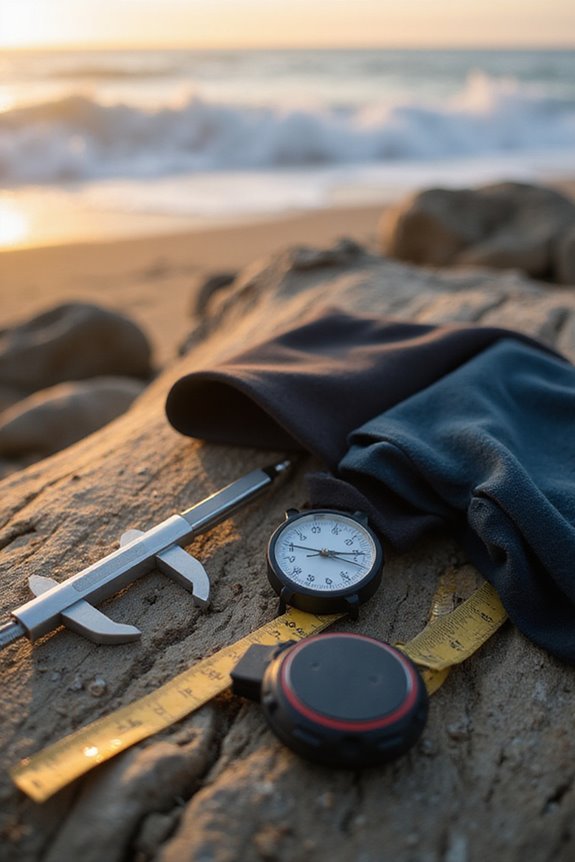
Accurate measurement is critical to ensuring gears fit and function properly in mechanical systems. We can utilize both contact methods, such as coordinate measuring machines (CMMs) and gear measuring machines, and non-contact methods like optical sensors and laser scanning.
For tooth thickness, we often use gear tooth vernier calipers or the cordal thickness method, taking care to evaluate arc dimensions for accuracy.
Measurement over pins or balls is another effective technique for gear inspection and verifying proper meshing.
Precision calculations are essential to adjust for any profile shifts or thickness deviations, ensuring our gears meet design tolerances. By using appropriate measurement tools and techniques, we can achieve reliable gear fit and performance. Additionally, understanding weight limits for surfboards can help in ensuring the right gear is chosen for optimal performance.
Recommended Products
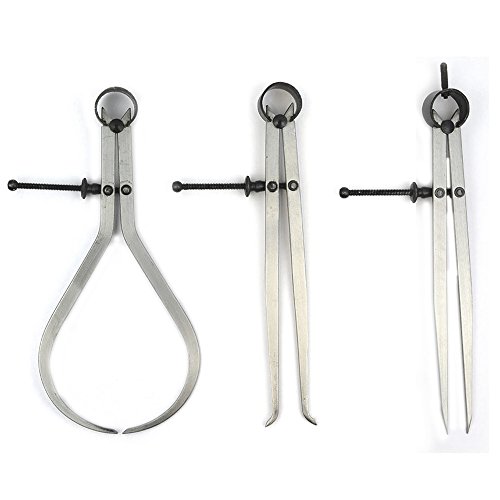
Big Horn outside calipers is a useful measurement transfer tool when working with round stock or oddly shaped materials and then transferring that measurement to a ruler | Big Horn inside calipers are great for gauging the inner diameter of an opening and then transferring that measurement to a ruler

Precise measurement: Measurement range: 0 - 6''/0 - 150 mm; Resolution: 0.01”/0.1 mm; Accuracy: +/- 0.2 mm/0.01”. Perfect and accurate caliper measuring tool for household/DIY measurement
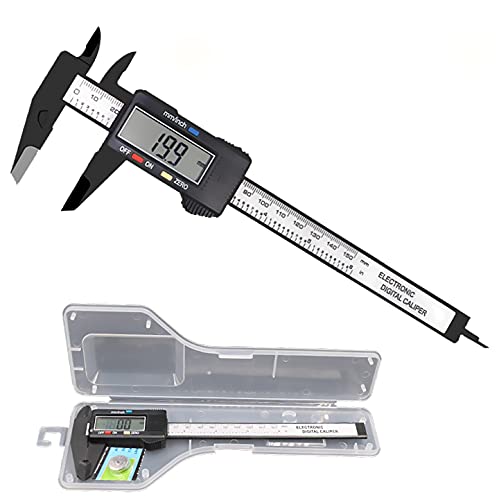
[4 measuring methods and safety]: Digital calipers can be used to measure inner and outer diameters, depths and steps. The pins of the caliper are made of plastic, so there is no short circuit when measuring the battery or inside. Contact with the positive and negative poles. The safety is higher than that of metal calipers.
Ensuring Proper Fit for Wearable Gear
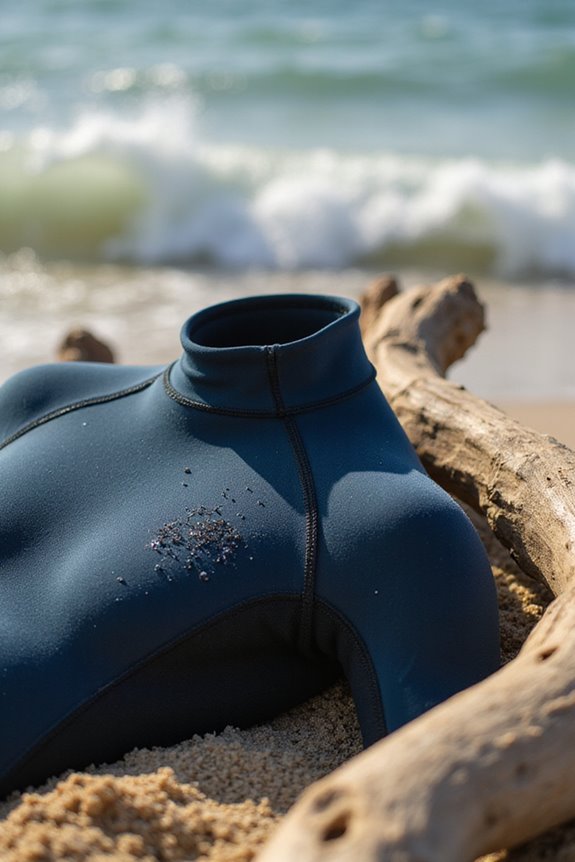
Guaranteeing the right fit for wearable gear is essential for both safety and performance. To achieve this, we should start with a comfort assessment. For leg guards, we need to measure shin length properly and check knee cap alignment with padding. Ankle straps must provide stability without restricting movement.
When it comes to tactical gear, we should balance weight distribution on vests and adjust holsters for comfort and quick access. Testing fit by moving in various ways is critical.
For firefighter bunker gear, accurate measurements with arms in an “at ease” position are crucial. Finally, double-checking measurements guarantees all gear fits snugly yet allows for full range of motion. Proper gear adjustments contribute greatly to our overall performance and safety. Additionally, choosing the right wetsuit thickness based on water temperature can enhance comfort and thermal protection during water activities.
Recommended Products

HIGH QUALITY: 1000D Nylon,The special structure of the fabric gives it excellent wear resistance, tear resistance, unmatched strength, light weight, softness and easy care

SIZE NOTICE—Designed for adults only. NOT suitable for children or slim builds. Adjustable waist fits approx. 100-130cm (39"-51") and shoulder straps adjust from 20-35cm(8"-14"), with an overall height of 45-55cm(18"-22"). Please confirm the size before ordering to avoid inconvenience.

Creates a Space Between your Carrier and your Undershirt So that your Carrier is no Longer Against your Body. This Allows for Airflow & Breathability Keeping your Body Cooler and More Comfortable.
Footwear Sizing and Fit Considerations
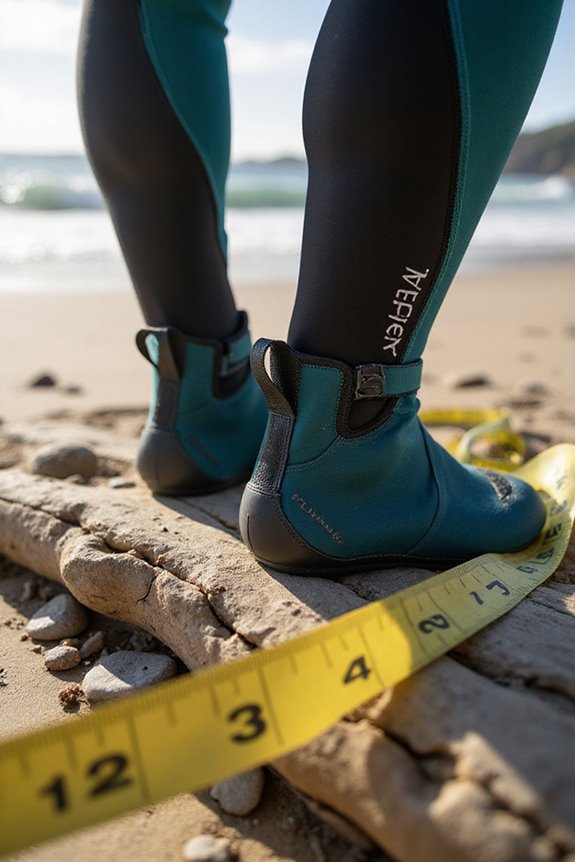
How can we guarantee that our footwear fits properly? First, we should use effective foot measurement techniques. By measuring foot length from the heel to the longest toe and noting the larger foot, we ascertain an accurate size. It’s best to do this at the end of the day when our feet may be slightly swollen.
Next, we must consider shoe width. Measuring across the widest part of our foot helps identify the correct width category—narrow, medium, or wide. Different brands may offer extended widths, so checking the specific size charts can improve our selection. By aligning both length and width, we can enhance comfort and reduce the likelihood of discomfort or slipping in our footwear. Additionally, prioritizing a snug yet comfortable fit can further prevent blisters and ensure optimal performance.
Recommended Products

【US STANDARD SHOE SIZE】: our feet length measuring rulers are designed with clear US size printed, come with the corresponding centimeter scale, suitable for women and men, adults and children, give a good visibility, easy and quick to be read in a short time, can bring you an accurate result.

The foot measurement device Applicable to Man Woman and Youth,US Size,and accurate way to keep track of your child's foot size.

This fabulous, streamlined leather-like flat combines timelessness with wear-now style.
Backpack Fit: Torso and Hip Measurements
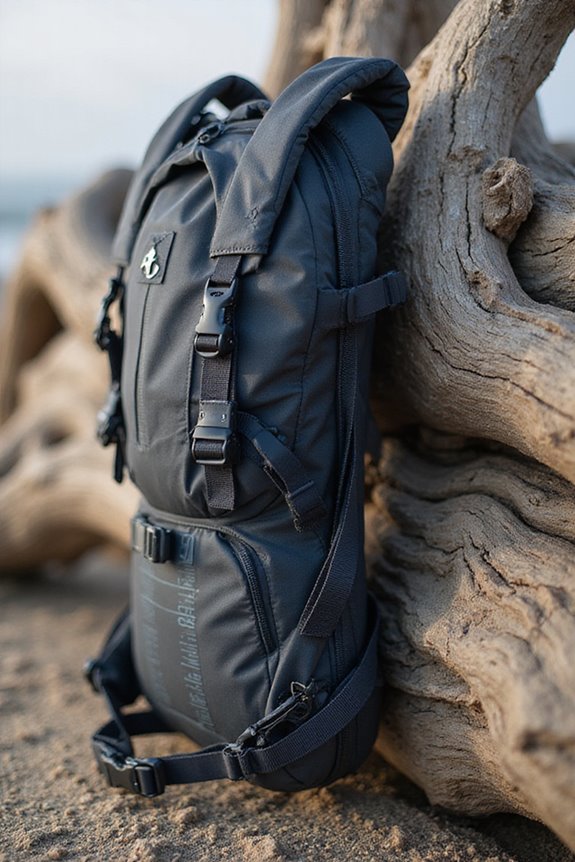
When selecting a backpack, understanding the fit based on torso and hip measurements is essential for comfort and support. To measure torso length, we find the C7 vertebra at the neck’s base and measure to the top of the iliac crest. Backpack sizing relies heavily on this measurement rather than overall height.
Next, we focus on hip measurements, which determine the hipbelt adjustment. A proper fit guarantees that 80% of the pack’s weight rests on our hips. Hipbelt sizes typically range from mid-20 to mid-40 inches. If we fall between sizes, trying on different packs helps. Adjusting straps and belts during the fitting process enhances our comfort and stability on the trail. Additionally, consider the material quality and comfort of the backpack, as it can significantly impact how well the gear fits and feels during use.
Recommended Products

𝐄𝐍𝐆𝐈𝐍𝐄𝐄𝐑𝐄𝐃 𝐈𝐍𝐓𝐄𝐑𝐍𝐀𝐋 𝐅𝐑𝐀𝐌𝐄 𝐒𝐘𝐒𝐓𝐄𝐌: This water resistant backpack is built with a lightweight curved internal frame reinforced by twin aluminum rods for superior load transfer and stability. Designed to perform on both weekend/multi-day hikes and rugged terrain.
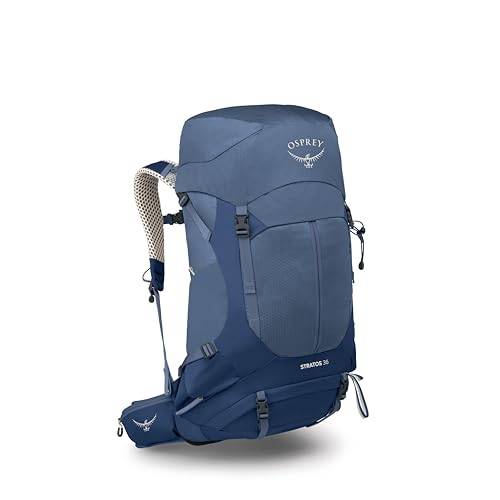
TRAIL PERFORMANCE: This full-featured top-loader delivers outstanding performance and comfort on demanding hikes and efficient overnights, with a men's fit, adjustable torso length, included raincover and AirSpeedâ„ suspension
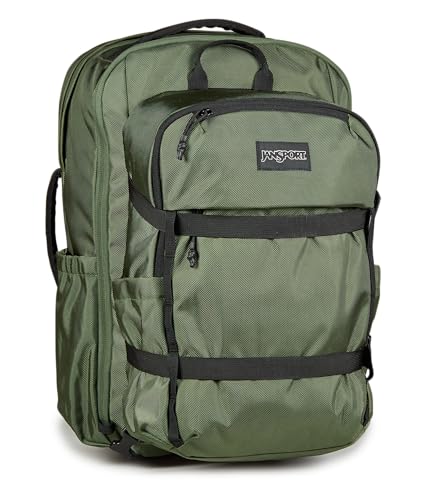
Spacious Main Compartment: The Venture Pack System features a large main compartment (13.2" x 21.5" x 6.3") with internal compression straps to keep your gear secure and organized.
Verifying Gear Dimensional Compatibility
Verifying gear dimensional compatibility is essential to confirm that gears function properly within a mechanical system. We must adhere to strict Geometric Dimensioning and Tolerancing (GD&T) standards for features like bore and teeth. This involves validating gear dimensions against a master gear to confirm proper fit.
Key factors include:
- Gear Tolerance: Matching bore diameters and tolerance classes to avoid excessive clearance.
- Pitch Verification: Confirming all gears in a mesh share the same module or pitch, confirming smooth power transmission.
Additionally, analyzing backlash measurements and tooth contact patterns helps assess engagement, affecting overall performance. By employing precise measurement tools, we can confirm each gear meets the required specifications for ideal functionality. Understanding the importance of wetsuit fit can also be crucial in ensuring maximum performance in water activities.
General Tips for Achieving the Best Gear Fit
Achieving the best gear fit involves several practical steps that enhance performance and longevity. First, we should verify proper gear alignment by confirming that the gear teeth mesh smoothly and evenly. Using a gear marking compound can help visualize the contact pattern during dry fitting, allowing us to make necessary adjustments.
Next, we need to focus on backlash adjustment. Measuring the clearance between mating gear teeth is essential; it should fall within the manufacturer’s specified range. If needed, we can use shims to fine-tune this clearance. Finally, maintaining a symmetrical contact pattern on both drive and coast sides will help balance load distribution, guaranteeing maximum gear function and reducing wear over time.
Frequently Asked Questions
What Are the Consequences of Improper Gear Fit?
When we think about the consequences of improper gear fit, we can’t ignore the heightened injury risk and performance impact. Ill-fitting gear can hinder our movements, compromising safety and effectiveness during critical firefighting operations.
How Can I Adjust Gear for a Better Fit?
To achieve a better fit, we can use various adjustment techniques. By fine-tuning cable tension, limit screws, and B-tension settings, we create a personalized fitting that enhances our gear’s performance and overall riding experience.
Are There Universal Sizing Standards for All Gear Types?
Oh, if only universal sizing charts existed for all gear! Unfortunately, brand differences create chaos, leaving us juggling various measurements. We should advocate for clearer standards to simplify our lives and enhance our gear experience.
How Often Should I Check Gear Fit?
We should regularly assess gear fit during routine maintenance. It’s essential to check after transmission work or when experiencing issues to guarantee our vehicle operates smoothly and efficiently, preventing costly repairs down the line.
Can I Return Gear if It Doesn’T Fit Correctly?
What if we find ourselves stuck with gear that doesn’t fit? We should check return policies first. Many retailers offer exchange options, helping us navigate fit issues while ensuring we’re satisfied with our purchases.