As an Amazon Associate, we earn from qualifying purchases. Some links on this site are affiliate links at no extra cost to you. Our recommendations are based on thorough research and editorial judgment.

How Do I Choose Fins?

To choose fins effectively, we should consider fit, blade length, material, and how they align with our performance goals. A proper fit means fins feel snug, allowing for minor foot movement, and we can opt for adjustable straps for comfort. Blade length varies: short fins aid in fast kicking, while longer fins enhance propulsion. Materials like silicone offer durability and flexibility, making them preferable over rubber. By understanding these factors, we can make informed choices for our swimming needs. Further details await.
Key Takeaways
- Ensure fins fit snugly without being tight, allowing for natural foot expansion and comfort during use.
- Consider fin length: short fins for speed, medium for balance, and long fins for propulsion and strength training.
- Choose the right blade type: symmetrical for stability or asymmetrical for improved thrust based on your swimming goals.
- Select materials wisely, opting for silicone fins for flexibility and durability, especially in chlorinated environments.
- Match fin size to body weight for optimal performance; refer to manufacturer sizing charts for accurate selection.
Understanding Fit and Comfort
You may be interested


When we choose swim fins, it is essential to prioritize fit and comfort, as these factors greatly affect our performance and enjoyment in the water. Proper fin fitting means the fins should feel snug but not tight, allowing room for foot expansion during activity. We should guarantee our toes lightly touch the front without being compressed.
To enhance comfort factors, we can use accessories like fin socks or pads, which prevent chafing and improve fit. Adjustable straps on open heel fins provide a customizable fit, reducing the risk of slipping. Additionally, softer materials generally promote natural foot movement, while drain holes help keep debris at bay, further improving our overall comfort while swimming. Proper sizing is crucial for minimizing water entry and maximizing performance.
Recommended Products

【ADJUSTABLE STRAP & TRUE TO SIZE】Open heel design and adjustable straps make the swim fins suitable for different foot types and sizes, perfect to share with your friends and family, in addition it will let small pebbles and debris fall. The important part is the quick release buckle that keeps strap's length of the you have set, so you don't need to adjust the straps for every use, easy donning and doffing.

𝐍𝐨𝐭𝐞: 𝐎𝐧𝐥𝐲 𝐬𝐮𝐢𝐭𝐚𝐛𝐥𝐞 𝐟𝐨𝐫 𝐋/𝐗𝐋 (𝐔𝐒 𝟖.𝟓-𝟏𝟏.𝟓), 𝐧𝐨𝐭 𝐬𝐮𝐢𝐭𝐚𝐛𝐥𝐞 𝐟𝐨𝐫 𝐒/𝐌 (𝐔𝐒 𝟒.𝟓-𝟖.𝟓)

Adjustable Open Heel Design, Good for Sharing - The open-heel design means each fin can accommodate a wider range of sizes, so family members or friends can share equipment more easily. The best parts is the filter pads inside the fins can keep fins in shape when store it.
Choosing the Right Fin Length and Blade Type
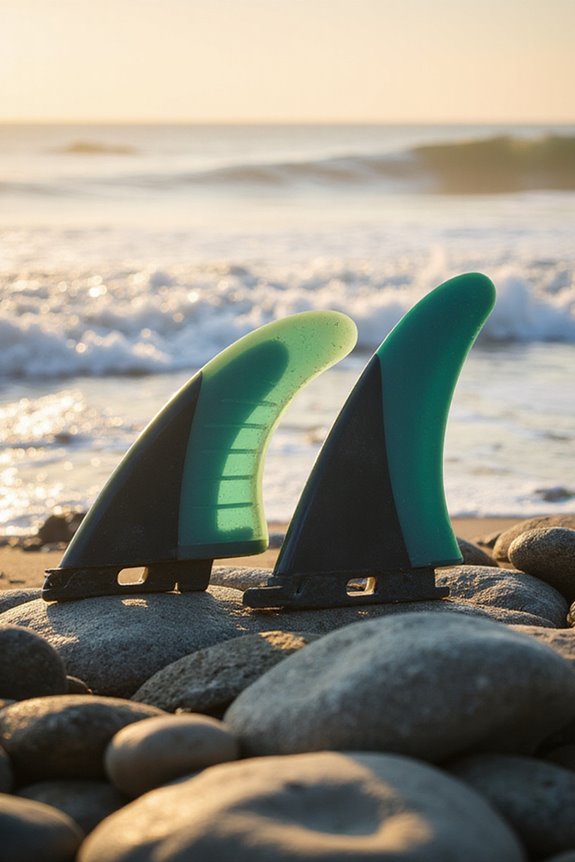
Selecting the appropriate fin length and blade type is essential for enhancing our swimming experience and achieving specific training goals.
- Short Blade Fins: Less than 15 inches, ideal for fast, high-cadence kicking and technique refinement.
- Medium Blade Fins: 15 to 20 inches, balance propulsion and kick rate, suitable for general training.
- Long Blade Fins: 20 to 24 inches, provide greater propulsion, increase leg strength, and reduce kicking frequency.
When considering blade stiffness, stiffer blades enhance leg strength but may slow us down, while softer blades allow natural foot movement, promoting blade efficiency. Additionally, symmetrical blades offer stability, while asymmetrical blades improve thrust, impacting fin performance. Choosing the right combination aligned with our activities will improve our overall swimming effectiveness. For optimal performance, it is crucial to ensure compatibility with surfboard fin box type, as this affects how well the fins perform in the water.
Recommended Products

Short and soft fins are easier to kick and more energy efficient. The training swim fins do not require much high level swimming skills and muscle strength, helping you to enjoy your leisure time swimming without worrying about anything

MAXIMIZE KICK POWER & RESISTANCE: Engineered with channel side rails and an angled blade surface, TYR Hydroblade swim fins amplify water power while providing upward kick resistance. This advanced design helps swimmers build leg strength and optimize technique

Natural rubber material
Aligning Fins With Performance and Training Goals
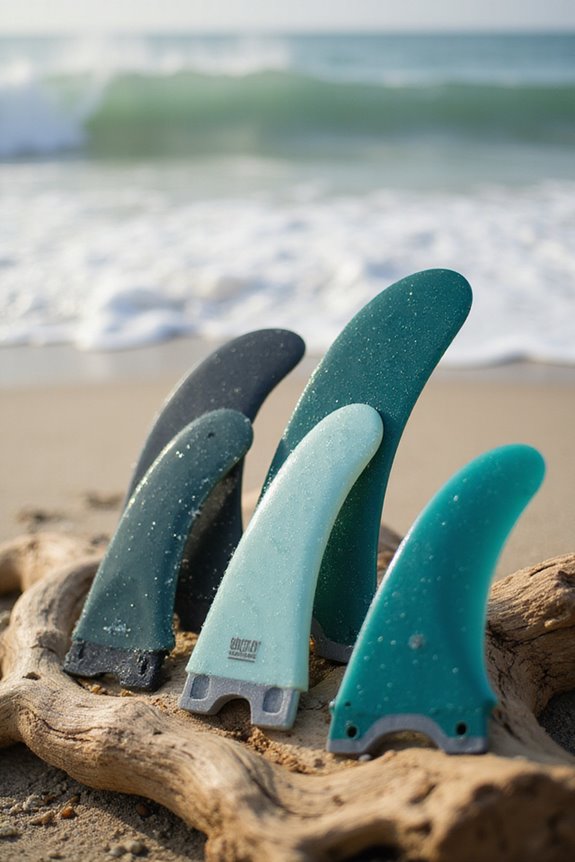
Aligning fins with our performance and training goals can greatly enhance our swimming capabilities. To achieve optimum fin type compatibility, we should consider our specific objectives. For speed training, fins that promote propulsion allow us to train at race pace, improving our speed endurance and anaerobic capacity.
Incorporating fins during technique-focused drills helps us concentrate on stroke mechanics and body position without the distraction of propulsion challenges. We can also develop leg strength and ankle flexibility, critical for effective kicking. Additionally, selecting the right fin configurations can significantly influence stability and control during training sessions.
Recommended Products

Kids Swim Fins for Lap Swimming - Prsca flippers fins is suitable for children, youth,boys,girls and beginners to swim, train,snorkel and dive.

Long, Buoyant Rubber Blade: These flippers for all ages have a long rubber blade for maximum buoyancy and forward propulsion, improving body alignment and speed
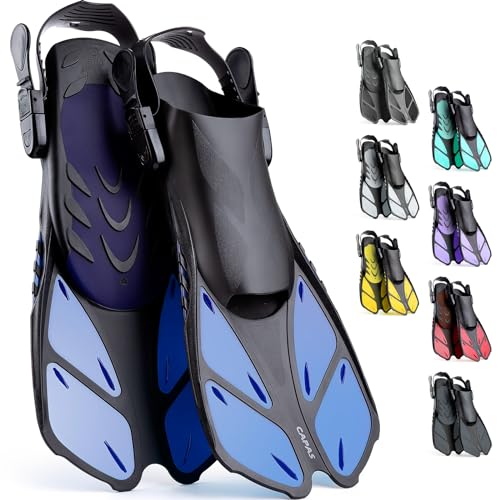
Adjustable Open Heel Design, Good for Sharing - The open-heel design means each fin can accommodate a wider range of sizes, so family members or friends can share equipment more easily. The best parts is the filter pads inside the fins can keep fins in shape when store it.
Evaluating Material and Durability
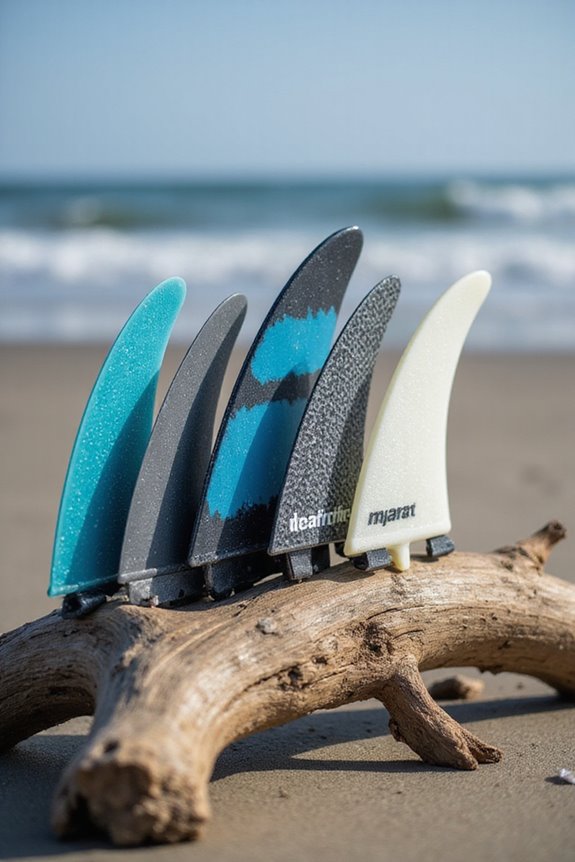
As we consider the fins we use, understanding the material and durability is essential for making an informed choice. A material comparison reveals that silicone fins offer superior flexibility and softness, reducing the risk of blisters during prolonged use. In contrast, rubber fins may float but are less durable, often leading to skin irritation.
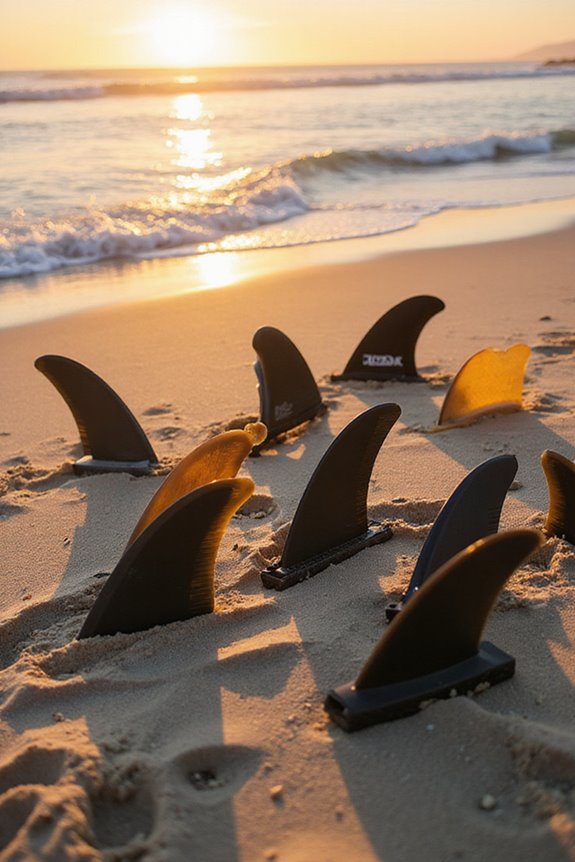
Durability testing shows that high-quality silicone fins can last over seven years with minimal wear, while harder materials may crack under strain. We should also note the impact of chlorinated water; silicone resists degradation better than rubber or plastic. Ultimately, choosing the right material affects comfort, longevity, and performance, ensuring we make the best decision for our swimming needs. Additionally, fin materials such as fiberglass and honeycomb can significantly enhance performance and longevity for surfing applications.
Recommended Products

Kids flippers for swimming - Kids of fins is soft,Can hop out easily and move around without tripping,Does not rub or irritate their skin.
Short and soft fins are easier to kick and more energy efficient. The training swim fins do not require much high level swimming skills and muscle strength, helping you to enjoy your leisure time swimming without worrying about anything
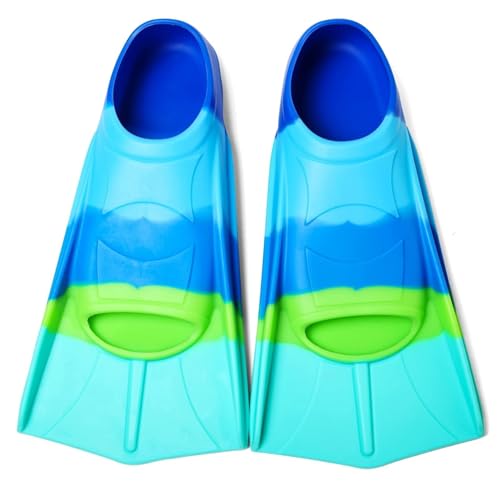
Kids flippers for swimming - Material of fins is soft,Can hop out easily and move around without tripping,Does not rub or irritate their skin.
Selecting the Proper Size
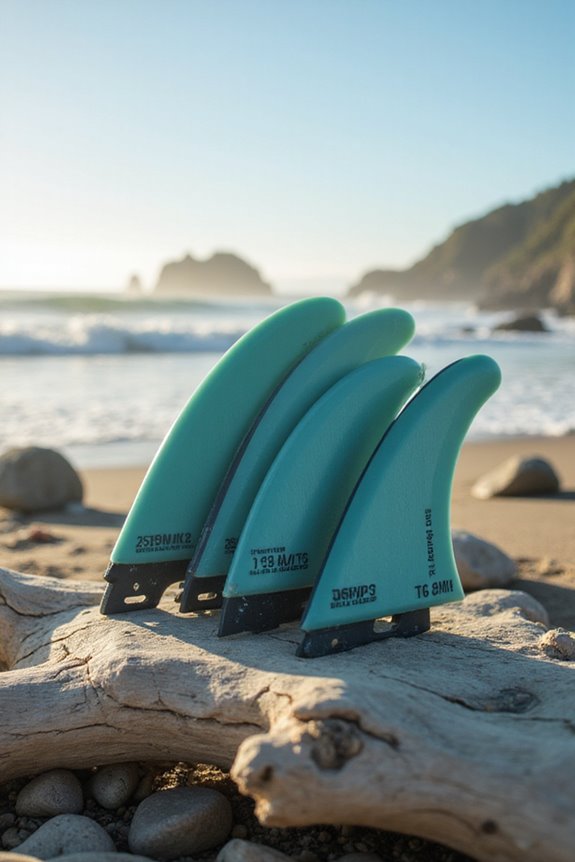
When considering fin size, several key factors come into play to guarantee we choose the right fit for our surfing needs. The primary factor is the weight correlation; our body weight directly influences the appropriate fin size.
Weight Categories:
- Grom: <45 kg
- XS: <55 kg
- S: 50-70 kg
- M: 65-90 kg
- L: 75+ kg
- XL: 90+ kg
Heavier surfers should opt for larger fins with increased surface area for better stability. Conversely, lighter surfers benefit from smaller fins, which enhance maneuverability and reduce drag. Additionally, we should consider board width and tail shape, as these factors impact our fin choice as well. Always refer to manufacturer charts for precise recommendations based on our specific needs. It’s also important to remember that fin size and shape can significantly affect overall surfing experience and performance.
Recommended Products

Size Tip: Men's: Small(US4-6), Medium(US7-9), Large(10-12), X-Large(13-15) Women's: X-Small(US3-5), Small(6-8), Medium(US9-11), Large(12-14)

PACKAGE INCLUDING: You will receive 3pcs surfboard fins and six screws to hold the fins in.
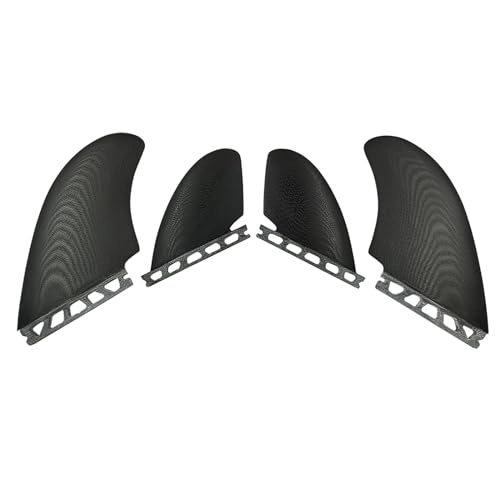
UPSURF Surfboard fin Quad fins set(4 Fins) Single Tab/Double Tabs 2 RM Size -Solid Fiberglass Flex for Lightweight Durability & Top Surfing Performance
Tips for Usage and Technique
To maximize the benefits of using fins, it is crucial to approach their use strategically. We should start our workouts with a 20-30% warm-up without fins to properly prime our muscles. Gradually increasing the distance and intensity of fin usage helps build strength while preventing injury.
Fins enhance our kick mechanics by encouraging proper body alignment and allowing us to focus on arm strokes without losing speed. While using fins, we can practice fin drills that target specific techniques, ensuring we maintain correct kick form despite the added propulsion. Additionally, selecting fins with flexibility ratings that match our skill level can further improve performance and control in the water.
Finally, let’s limit fin usage to 50% of our total weekly swimming volume to avoid over-reliance and maintain kick efficiency.
Maintenance and Care for Your Fins
Maintaining and caring for your fins is essential for ensuring their longevity and performance. After each use, we should prioritize fins cleaning by rinsing them thoroughly with fresh water to remove contaminants like salt and sand. We must also flush out buckle areas to prevent buildup.
For fins storage, it’s critical to air dry them completely in shaded, well-ventilated areas before storing. Never store wet fins in closed containers, as this traps moisture. We should lay fins flat to avoid warping and keep them in cool, dry places, away from direct sunlight. Regularly inspecting straps and blades for wear will help us catch potential issues early, maximizing our fins’ lifespan and effectiveness.
Frequently Asked Questions
Can I Use Fins for Open Water Swimming?
They say, “All good things come to those who swim.” Yes, we can use fins for open water swimming! They offer open water benefits like enhanced propulsion, and short-blade fin types help with agility and control.
What Are the Best Fins for Snorkeling?
When selecting snorkeling fins, we should consider fin materials for comfort and durability. Lightweight options like Monprene and soft elastomer foot pockets enhance our experience, ensuring we enjoy every moment underwater without unnecessary fatigue.
How Often Should I Replace My Fins?
Like a trusty ship’s anchor, our fins need care. Typically, they last 10 years or 400 dives, but with proper fin maintenance, we can extend their lifespan, ensuring smooth sailing through our underwater adventures.
Can Fins Help Prevent Injuries While Swimming?
We believe fins can greatly aid in injury prevention by promoting proper technique and enhancing leg propulsion. This reduces strain on our shoulders and joints, allowing us to swim more efficiently and safely.
Are There Specific Brands Recommended for Competitive Swimmers?
We’ve all wondered if the right brand really makes a difference. By exploring brand comparisons, we discover competitive advantages in fins like Speedo and Arena, enhancing our training and ultimately propelling us toward success in the pool.