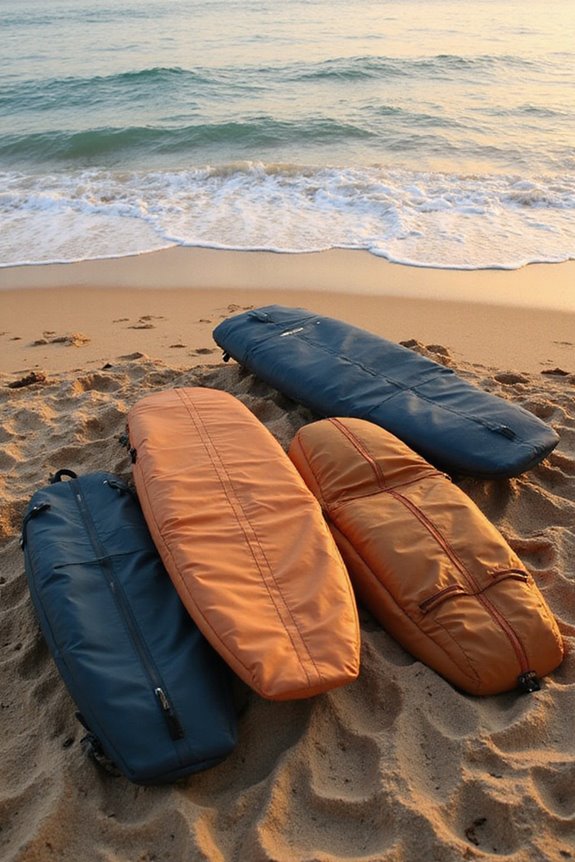
As an Amazon Associate, we earn from qualifying purchases. Some links may be affiliate links at no extra cost to you. Although our opinions are based on curated research, we haven't used these products. Articles generated with AI.

How Do I Avoid Surfboard Impact Injuries?

To avoid surfboard impact injuries, we should focus on several key areas. First, we must choose proper equipment like soft nose guards and modern leashes with quick-release fasteners. Second, engaging in dynamic stretching and surf-specific exercises prepares our bodies before hitting the waves. Additionally, we need to wear protective gear, such as helmets and rash guards, and remain aware of our surroundings like tides and hazards. By applying these practices, we can enhance our surfing experience and safety.
Key Takeaways
- Use surfboard leashes and soft nose guards to prevent your board from drifting and causing impact injuries.
- Wear protective gear like helmets and rash guards to reduce the risk of abrasions and head injuries.
- Regularly inspect your surfboard for cracks or sharp edges to minimize injury risks while surfing.
- Stay aware of your surroundings and avoid crowded areas to prevent collisions with other surfers.
- Engage in environmental monitoring to recognize hazards like submerged rocks and rip tides before surfing.
Proper Equipment Selection and Use
You may be interested



When surfing, choosing the right equipment is essential for keeping ourselves safe from impact injuries. We should consider surfboard leashes and soft nose guards, as they prevent boards from drifting and reduce collision severity. Modern leashes have quick-release fasteners, enhancing safety in crowded areas.
Wetsuits and rash guards also play a key role; they protect against abrasions and sunburn while providing thermal insulation. Proper surfboard selection is important too; beginners should use softboards to minimize injury risks. Additionally, selecting a wetsuit with thermal insulation options can help maintain body temperature in cold water conditions, further enhancing safety.
Regular maintenance routines like inspecting for cracks, dings, or sharp edges on surfboards help prevent injuries. By focusing on these equipment features and maintenance practices, we can greatly enhance our safety while enjoying the waves.

STOP STRUGGLING and START SMILING 😃 At BPS we know it can be a real struggle to figure out the right water sports gear for you or your family – so we use our 30 years of water sports experience (for ourselves and our own kids) to GET IT RIGHT FOR YOU. After starting in a Kiwi garage we have now helped hundreds of thousands of customers 'get to their happy'. So get ready to ‘look like a legend’ and start making great memories straight out of the box.

ORIGINAL FORMULA SURF WAX COMBO: This bundle includes a surf wax comb, 6 bars of Surf wax Cool/Cold Wax, ideal for water temperatures (69°F / 20°C and below). Paired with 2 bars of Basecoat is a universal, (All-Temperature) wax bar with a harder formula. That helps build strong bumps for a better grip.
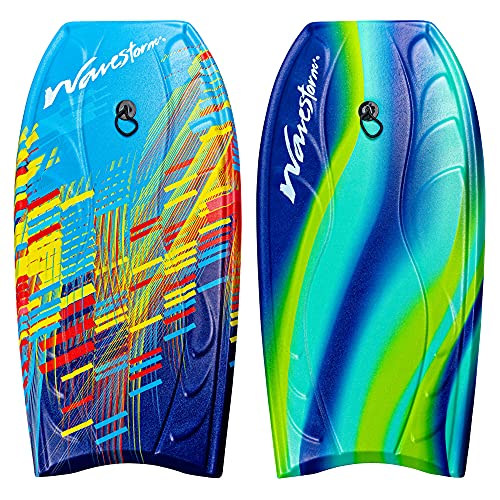
2 Soft Foam Construction Bodyboards
Pre-Surf Physical Preparation
To maximize our performance and minimize injury risk while surfing, it’s vital to engage in proper physical preparation before hitting the waves. We should start with 10-15 minutes of dynamic stretching and light cardio to increase blood flow and oxygen delivery to our muscles. This includes both general movements, like the yoga salute to the sun, and surf-specific exercises such as lunges.
Focusing on muscle activation is essential; we need to prepare our shoulders, core, and legs for paddling and balancing. Additionally, targeting our thoracic spine and joint flexibility will enhance paddling posture and reduce the risk of injury. By incorporating these practices, we can guarantee our bodies are ready for the challenges ahead. Moreover, using quality surfboard equipment can also contribute to a safer surfing experience.
Technique and Skill Refinement
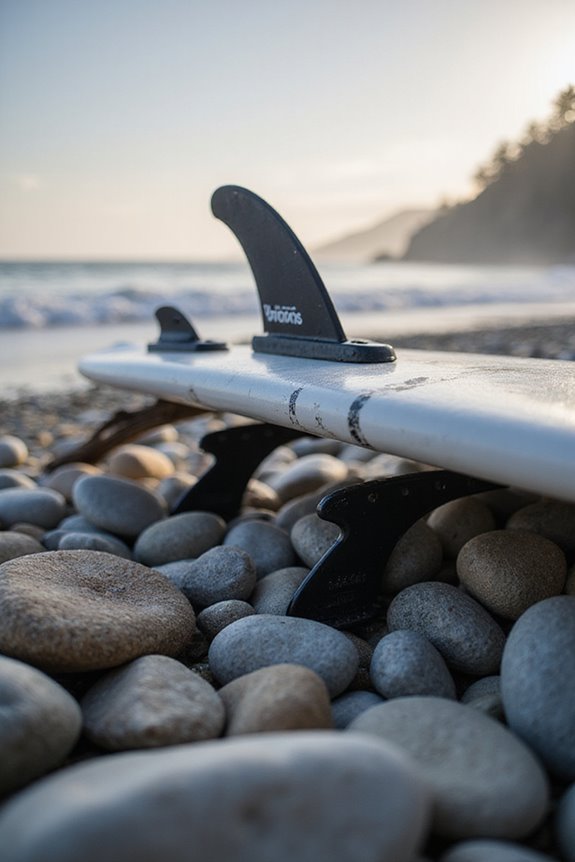
Engaging in proper technique and skill refinement is just as important as our physical preparation. Focusing on our paddling posture helps reduce strain on our shoulders and neck, preventing injuries. We should practice efficient paddle strokes and maintain a lifted head and chest to improve breath control and minimize lower back strain.
Our pop-up technique also matters; smooth, rapid movements lower the risk of awkward landings that can lead to sprains. Additionally, we can enhance our wave navigation by anticipating wave behavior and keeping our knees bent for better balance. Finally, incorporating balance drills into our training routine increases stability, allowing us to handle our boards safely and effectively in various conditions. To further enhance safety, choosing a surfboard with soft top materials can significantly reduce injury risks during falls.
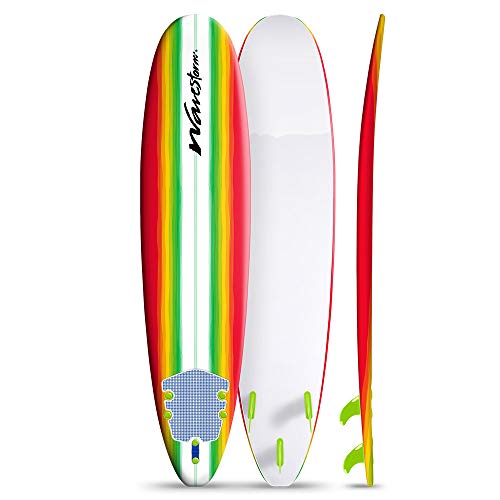
Soft Foam Construction Classic Surfboard, strong EPS core with 3 stringer system
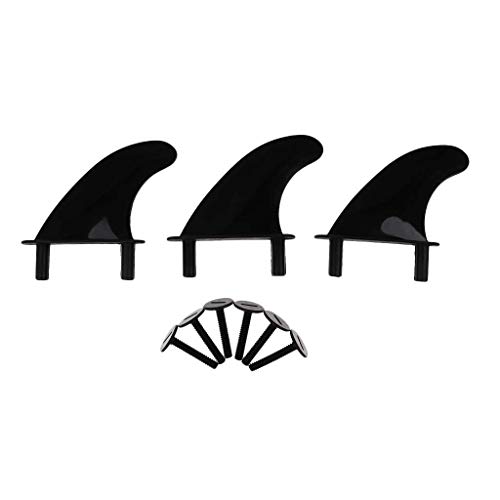

🔲 GO WAX FREE! - Surf Squared’s grippy skimboard traction pads are the perfect solution to your messy, sandy, and slimy surf wax. Surf Squared’s surfboard pad never loses its stick.
Protective Gear and Safety Practices
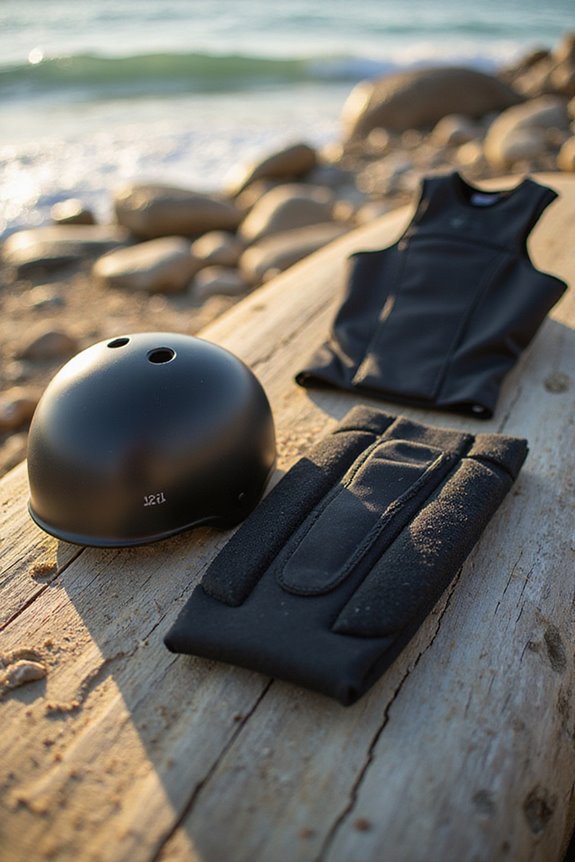
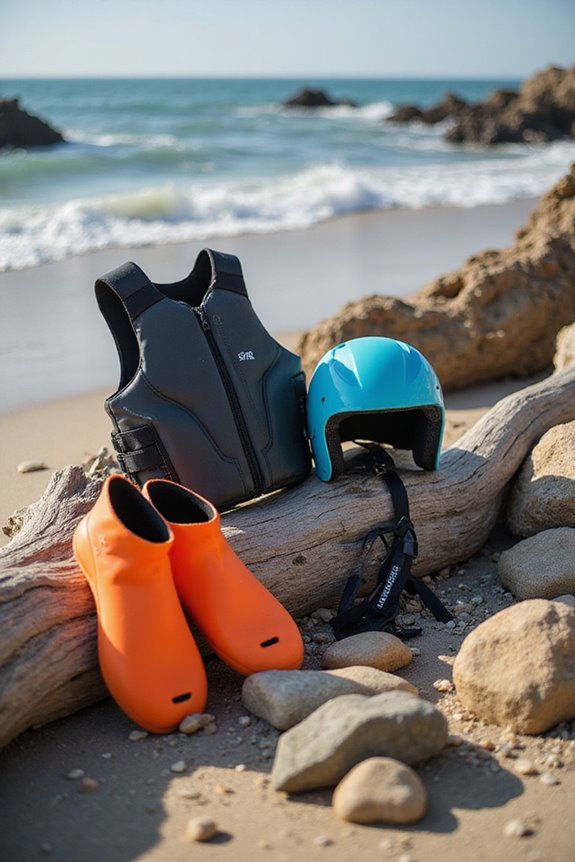
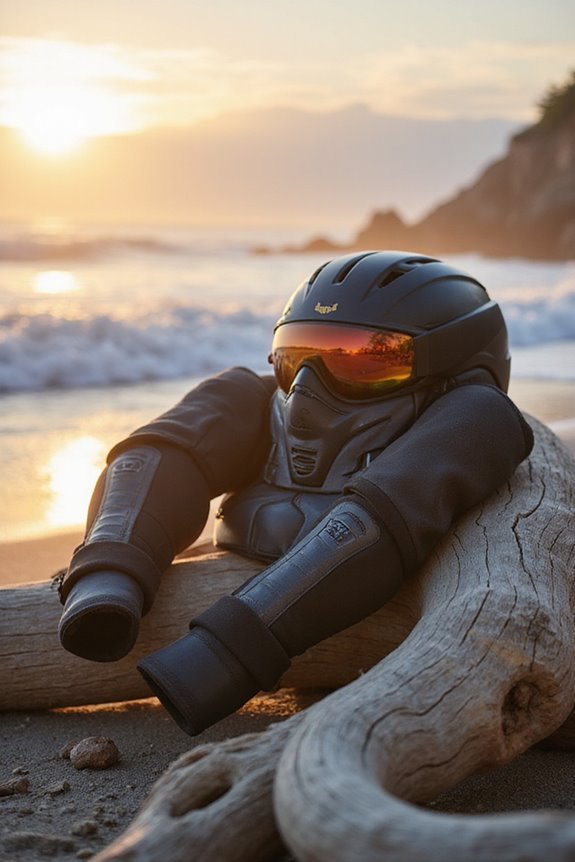
Protective gear and safety practices are essential for minimizing the risk of injuries while surfing. Wearing a helmet offers significant benefits, including reducing the risk of head injuries and skull fractures, particularly in crowded spots or shallow reefs. This gear is vital for all surfers, especially beginners.
Additionally, the effectiveness of rash guards cannot be overlooked. They protect our skin from abrasions, sunburn, and irritations during long sessions. Rash guards also provide a layer of defense against jellyfish stings and minor marine injuries while offering UV protection. Moreover, wearing a surf safety vest enhances buoyancy and reduces the risk of impact injuries while surfing.
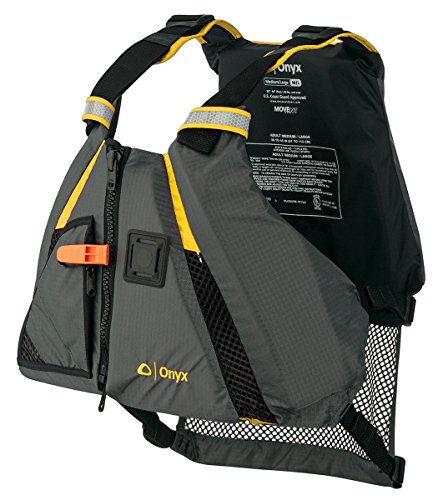
MAXIMUM SAFETY: Dual U.S. Coast Guard and Transport Canada Approved, ensuring the highest standards of water safety


Life vest is USCG classified/graded for use on commercial vessels
Physical Conditioning and Recovery
Physical conditioning and recovery play an essential role in our surfing performance and injury prevention. To maintain balance and stability on our surfboards, we should prioritize core exercises like planks, Russian twists, and bicycle crunches. These exercises enhance body control, support spinal alignment, and reduce the risk of lower back injuries.
Additionally, incorporating mobility drills is vital. Stretching and strengthening our lumbar and thoracic spine can improve joint mobility and decrease strain during sudden maneuvers. Regular recovery practices, such as dynamic and static stretching, optimize flexibility and reduce muscle tension. By focusing on these elements, we can enhance our surfing experience while minimizing the risk of injuries associated with surfboard impacts. Furthermore, wearing a rash guard with UPF protection can further safeguard your skin from harmful UV rays during prolonged surf sessions.
Environmental Awareness and Risk Management
To enhance our surfing safety, understanding environmental conditions is essential. By engaging in environmental monitoring, we can assess wave size, tide patterns, and wind direction, which all affect our surfing experience. Recognizing hazards like submerged rocks, reefs, and crowded conditions greatly lowers our injury risk.
We should frequently inspect beach conditions and heed any warnings that indicate changes in hazard levels. Avoiding surfing near piers or jetties helps mitigate impact risks against fixed structures. Additionally, staying informed about local currents and rip tides will guide us away from more dangerous areas. Surfing at locations known for consistent waves like Byron Bay or Gold Coast ensures a more predictable and safer experience. Ultimately, our awareness of these environmental factors enhances our hazard recognition, leading to safer surfing experiences.
Learning to Fall Safely
When we surf, knowing how to fall safely can greatly reduce our risk of injury. By using proper fall techniques, we can enhance impact reduction and protect ourselves from collisions.
- Fall away from the board to avoid being hit as it rebounds.
- Land on our buttocks with arms extended outward, reducing bottom impact.
- Fall backwards or to the side to keep the board moving away from us.
When in shallow water, we should drop to our knees or go flat to minimize speed and impact. Additionally, covering our head and face with our arms while resurfacing is essential. By practicing these techniques regularly, we can build muscle memory and improve our overall safety while surfing.
Frequently Asked Questions
What Are the Signs of a Surfboard Impact Injury?
When we think about surfboard impact injuries, we should recognize signs like cuts, bruising, and tenderness. Prioritizing surfboard safety and injury prevention helps us stay aware of these symptoms and seek help when needed.
How Can I Treat Minor Surfboard Impact Injuries at Home?
When life gives us bumps, we should treat them right! For minor surfboard impact injuries, we can use first aid methods like cleaning, applying antiseptic, and home remedies like ice packs to soothe and heal quickly.
When Should I Seek Medical Attention for Surfboard Injuries?
When we face surfboard injuries, knowing emergency protocols is essential. If we notice severe pain, swelling, or neurological symptoms, an injury assessment is imperative to guarantee proper care and prevent further complications.
Can Surfboard Impact Injuries Cause Long-Term Health Issues?
Like waves shaping the shore, surfboard impact injuries can leave lasting marks on our health. We need to prioritize injury prevention to mitigate long-term effects, ensuring our passion for surfing remains enjoyable and sustainable.
What Is the Best Way to Educate Others About Surfboard Safety?
To educate others about surfboard safety, we can host safety workshops and engage in community outreach. By sharing knowledge and experiences, we’ll foster a culture of awareness and responsibility among surfers, enhancing everyone’s safety.