As an Amazon Associate, we earn from qualifying purchases. Some links on this site are affiliate links at no extra cost to you. Our recommendations are based on thorough research and editorial judgment.

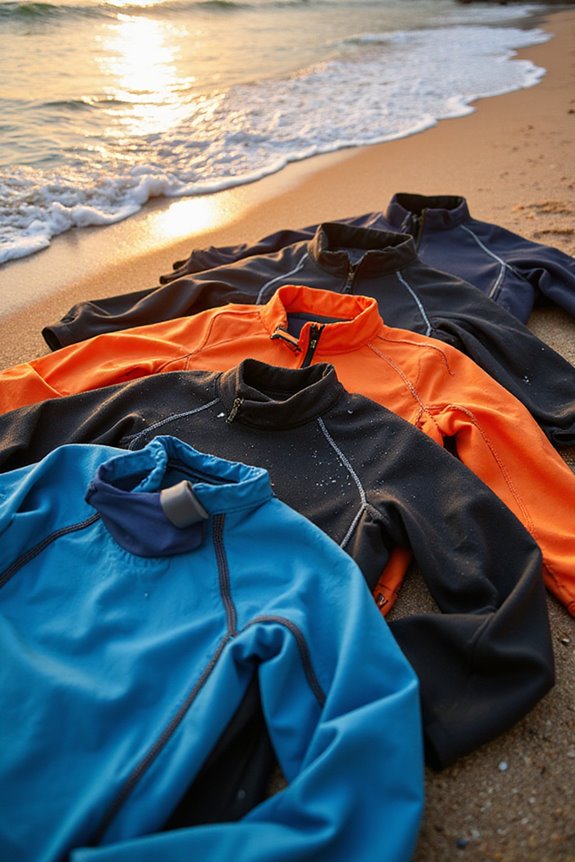
What Are Surf Jackets?

Surf jackets are specialized wetsuit tops crafted for surfers, offering thermal insulation and protection in milder water conditions. Made from flexible neoprene and durable outer fabrics like nylon, these jackets keep us warm by trapping a thin layer of water. They also shield against UV rays and abrasions. With features like adjustable zippers, boardshort ties, and customizable hoods, surf jackets enhance our surfing experience. Let’s explore their benefits, care, and options to find the right one for our needs.
Key Takeaways
- Surf jackets are flexible neoprene tops designed for thermal insulation and protection during surfing in milder water conditions.
- They provide UV protection and shield against abrasions while enhancing comfort and freedom of movement.
- Made from durable materials like nylon or polyester, they feature waterproof membranes for enhanced performance.
- Best for water temperatures between 58°F and 68°F, they serve as a bridge between rashguards and full wetsuits.
- Care involves rinsing after use, using neoprene soap, and proper storage to maintain jacket performance and longevity.
Definition and Purpose of Surf Jackets
You may be interested



When we think about surf jackets, it’s important to recognize their specific design and functionality. Surf jackets, which are fundamentally wetsuit tops made from flexible neoprene, have evolved considerably since their inception. They provide thermal insulation, keeping us warm in cooler waters by trapping a thin layer of water that our body heats.
These jackets cover the torso and arms, sometimes featuring long sleeves, and serve as a lightweight alternative to full wetsuits during milder conditions.
The surf jacket’s history shows its development from basic thermal garments to sophisticated designs that prioritize freedom of movement and protection. Today, they not only help prevent hypothermia but also shield against UV exposure and abrasions, ensuring a safer surfing experience. Additionally, many surf jackets offer UV protection similar to that of full wetsuits, enhancing skin safety during outdoor water sports.
Material Composition and Construction
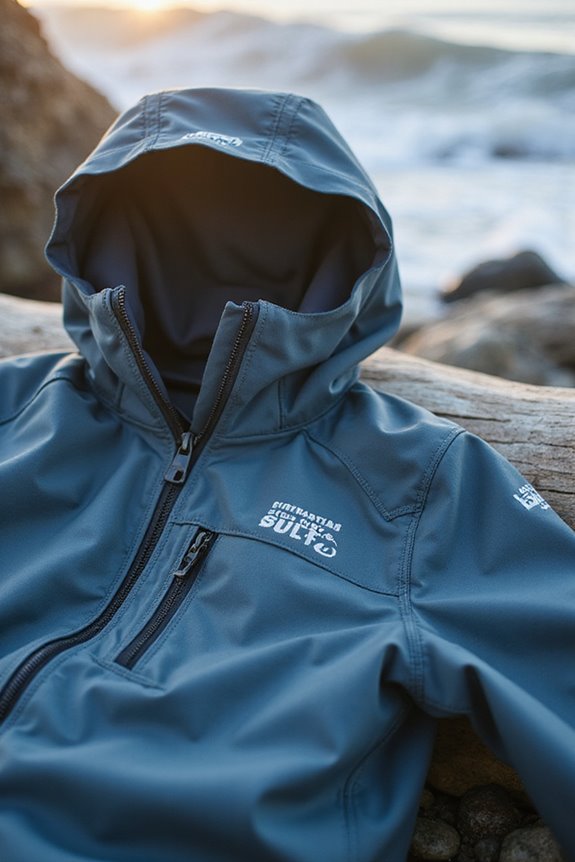
Understanding the materials used in surf jackets is essential for choosing the right one for our needs. The outer fabrics, often nylon or polyester, offer excellent fabric durability and lightweight properties. For waterproofing, membranes like Polyurethane (PU) and expanded Polytetrafluoroethylene (ePTFE) are common choices.
Most surf jackets utilize a 3-layer construction, bonding the outer fabric, membrane, and lining for enhanced performance. Neoprene is a key material for thermal jackets, providing insulation and water resistance.
Seam technology plays a vital role in ensuring warmth and flexibility. High-quality seams, such as glued, blind-stitched, and taped seams, minimize water leakage, contributing to the overall durability and comfort of the jacket. Additionally, 4-way stretch neoprene enhances comfort and movement while in the water.
Recommended Products

★SIZE SUGGESTION: Skyone 3MM women men thermal wetsuit are designed to fit a little tight to provide maximum insulation,it should fit very tightly when dry and will be looser when immersed. When choosing your size, please match your chest waist and hip first.

Made of 3mm‑thick neoprene, this wetsuit top keeps your body warm for cold‑water activities. Great stretch delivers superior comfort for swimming, surfing and more water sports.
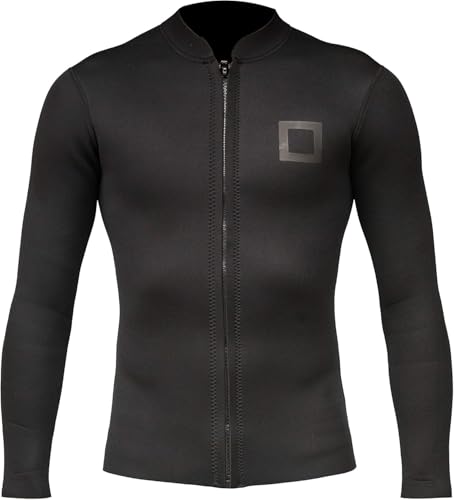
THERMAL HEAT RETENTION: This 3 mm wetsuit top men rely on traps warmth close to the body. The neoprene build forms a barrier against cold water and wind during surf sessions and coastal conditions.
Functional Features and Design Elements
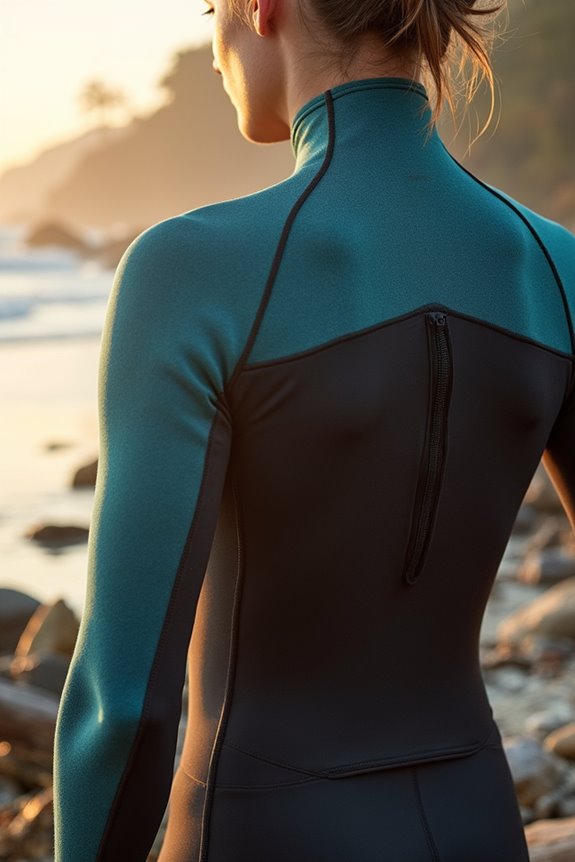
Regarding closure designs, front zippers allow for easy wear and adjustable ventilation. Lower collar designs reduce water flushing and enhance neck comfort. Boardshort tie features keep jackets secure during intense conditions, and zippered pockets provide storage for essentials. Additionally, adjustable hoods and rise-up collars offer customizable protection against wind and rain. These elements combine to guarantee we stay warm, comfortable, and focused on our surf experience. Wetsuit pants made from 3mm neoprene ensure optimal warmth, making them a perfect companion for surf jackets in cooler water conditions.
Recommended Products
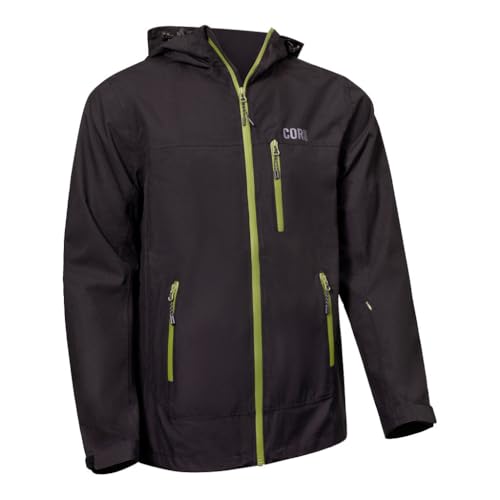
The Huakai combines breathability with advanced waterproof performance and comfort in all types of weather. An all-season jacket with secret pockets and so much more! The ultimate waterproof jacket you can take anywhere, even in winter. Unlike most rain coats that are clammy and don’t breath, the exterior shell is made with our 150D stretch material that stretches to give you freedom of movement and breathability. Perfect for guys that are active and on the move. Go anywhere with the Huakai

WINDPROOF AND FASTER DRYING: Owntop Swim Parka Windproof Surf Coat for Men Women is designed with waterproof fabric that's waterproof and windproof. The inner lining is made of warm and faster-drying terry cloth, ensuring that you stay warm and dry in any climate. The oversized design of Owntop swim parka allows for easy changing of clothes anytime and anywhere, perfect for outdoor adventures

The Huakai combines breathability with advanced waterproof performance and comfort in all types of weather. An all-season jacket with secret pockets and so much more! The ultimate waterproof jacket you can take anywhere, even in winter. Unlike most rain coats that are clammy and don’t breath, the exterior shell is made with our 150D stretch material that stretches to give you freedom of movement and breathability. Perfect for guys that are active and on the move. Go anywhere with the Huakai
Usage Context and Water Temperature
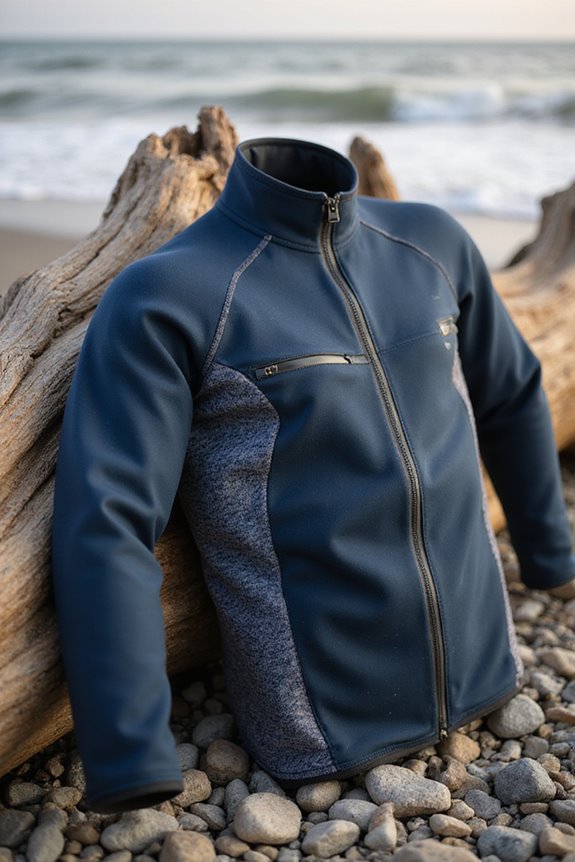
As we navigate the ideal conditions for using surf jackets, it’s vital to recognize the varying water temperatures that dictate their effectiveness. Surf jackets are best suited for water temperatures between 58°F and 68°F (14°C to 20°C), where they offer moderate thermal protection.
In warmer waters above 72°F (22°C), we often switch to rashguards or lighter tops, as surf jackets prioritize UV protection instead. Conversely, in cooler conditions below 58°F (14°C), thicker wetsuits become essential. This is particularly relevant when considering the 4/3mm wetsuit thickness, which is suitable for colder temperatures.
Regional variations also play a role; surfers in temperate zones rely on surf jackets during spring, fall, and cooler summer days due to frequent temperature fluctuations. These jackets bridge the gap between rashguards and full wetsuits for various surf conditions.
Benefits of Wearing Surf Jackets
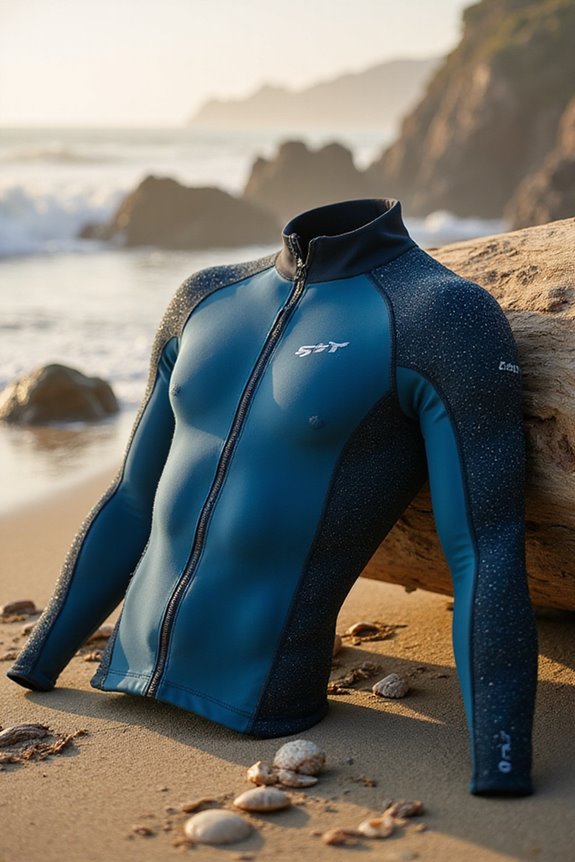
Wearing surf jackets offers numerous advantages that enhance our surfing experience, especially in variable water conditions. First, they provide essential thermal insulation, keeping us warm by trapping body heat and reducing the risk of hypothermia. Additionally, these jackets protect our skin from chafing and harmful UV rays, often featuring UPF 50+ protection.
Moreover, surf jackets come in various styles, allowing us to stay on-trend while enjoying eco-friendly options made from sustainable materials. They also guarantee comfort with moisture-wicking properties and adjustable features for a snug fit, enabling full mobility. Finally, their durability and versatility make them suitable for multiple water sports, increasing their value in our gear collection. Furthermore, the material quality of surf jackets often includes high-quality neoprene, ensuring durability and protection from the elements.
Performance Considerations
When selecting a surf jacket, several performance factors can considerably impact our surfing experience. First, fit adjustments are essential; a snug fit minimizes water flushing, enhancing thermal performance. We should consider sizing down to achieve this secure fit, which also supports mobility enhancement during paddling and maneuvers.
The materials used, like neoprene, provide stretch and durability, while features such as minimal seam design and flatlock stitching contribute to comfort and an unrestricted range of motion. Additionally, jackets with lower collar designs help reduce neck irritation during movement. Finally, thickness variations in jackets cater to different water temperatures, balancing flexibility and insulation for ideal performance while surfing. Understanding wetsuit size determination can further help in selecting the perfect fit for optimal performance.
Care and Maintenance
Caring for our surf jackets is vital to prolong their lifespan and maintain peak performance. Here are some key maintenance tips to follow:
Cleaning After Each Use
- Rinse with cool, fresh water immediately to remove salt and sand.
- Turn the jacket inside out for thorough cleaning.
- Use specialized neoprene soap monthly, avoiding hot water and machine washing.
Drying Practices
- Hang on a wide-shoulder hanger in a shaded area to prevent stretching and UV damage.
- Dry inside-out first, then flip it right-side out.
Storage Recommendations
- Store flat or on wide hangers, away from direct sunlight.
- Make certain it’s completely dry before storage to prevent mold.
Routine Maintenance
– Regularly check for tears or zipper issues and repair them promptly.
Popular Brands and Models
The surf jacket market offers a variety of brands and models that cater to different preferences and needs. Iconic names like Billabong and O’Neill lead with durable options and innovative designs, such as the Psycho One wetsuit. Patagonia stands out for its eco-friendly materials, while Outerknown combines style and sustainability.
For surf culture enthusiasts, Stüssy offers trendy jackets like the Surf Team Harrington, blending casual wear with functionality. Emerging brands like Suay Hype and Finisterre focus on sustainability, appealing to eco-conscious surfers.
Recommended Products

Made from 100% recycled material in Mexico. Free trade product

AUTHENTIC MEXICAN BAJA HOODIE: Made in Mexico using traditional weaving for genuine quality. ECO-FRIENDLY MATERIAL: Crafted from recycled fibers (cotton, acrylic, polyester) for sustainable comfort. SUPER SOFT & COZY: Brushed interior for warmth and softness. 12 COLORS: Vibrant and earthy options. CLASSIC DESIGN: Hood, front pocket, and relaxed unisex fit for everyday wear.

[PREMIUM FISHING ROD HOLDERS] - Elevate your fishing game with our set of 2 premium fishing rod holders. Crafted from top-notch nylon material, these holders are built to last, offering both durability and an eco-friendly design. Keep your valuable fishing rods safe and secure while you focus on reeling in the big catch.
How to Choose the Right Surf Jacket
Choosing the right surf jacket can considerably impact your comfort and performance in the water. First, consider thickness based on water temperature; a 3/2mm jacket suits warmer water, while a 5/4mm is better for cold conditions.
Fit adjustments are essential; the jacket should feel like a second skin without restricting movement. Consult size charts and try on different brands to find the best fit.
Next, think about style variations. Full jackets offer warmth, while vests or shorties are better for warmer climates. Finally, evaluate entry systems; chest zips provide better sealing, while back zips may allow water entry. By considering these factors, we can guarantee our surf jackets meet our needs effectively.
Recommended Products

FRONT-ZIP DESIGN: Corrosion-proof vertical zipper provides easy entry and exit, hassle-free and user-friendly; it should fit comfortably snug to avoid water entry

HyperFreak Tops feature the Exclusive TechnoButter 3 neoprene
FRONT-ZIP DESIGN: Corrosion-proof vertical zipper provides easy entry and exit, hassle-free and user-friendly; it should fit comfortably snug to avoid water entry
Frequently Asked Questions
Can Surf Jackets Be Used for Other Water Sports?
Curiously, we’ve discovered that surf jackets, with their versatile materials and features, can indeed enhance our experience in various water sports. Their thermal insulation and mobility make them perfect for activities beyond surfing, like kayaking or paddleboarding.
How Do I Know My Surf Jacket Size?
To find our surf jacket size, we should measure our body accurately and compare those measurements to the sizing charts provided. Different surf jacket materials may also affect fit, so we must consider that too.
Are Surf Jackets Suitable for Beginners?
Absolutely, surf jackets offer beginner benefits like thermal insulation and UV protection. Their flexible neoprene features guarantee comfort and mobility, making them perfect for us as we navigate the waves and develop our skills.
Do Surf Jackets Come in Different Colors and Styles?
We love exploring the vibrant color options and diverse design variations in surf jackets. From bold neons to classic styles, there’s something for everyone, ensuring we can express our unique personalities while enjoying the waves.
Can I Wear a Surf Jacket for Swimming?
While we can wear surf jackets for swimming, we should remember their insulation benefits may outweigh performance. With various material options available, they’re great for warmth but might slow us down compared to swim gear.