As an Amazon Associate, we earn from qualifying purchases. Some links on this site are affiliate links at no extra cost to you. Our recommendations are based on thorough research and editorial judgment.

What Should I Do If My Leash Breaks?

If our dog’s leash breaks, we should first assess the situation to guarantee safety, keeping an eye on nearby traffic and distractions. Staying calm is essential, as it helps us avoid startling our dog. We can create temporary restraints, like an improvised slip lead, and alert bystanders to keep their distance. Additionally, regularly inspecting our leash before walks can help prevent future breakages. For more detailed steps on how to handle this situation effectively, we encourage you to continue exploring.
Key Takeaways
- Assess the surroundings to ensure safety and minimize distractions before attempting to regain control of your dog.
- Stay calm and avoid sudden movements that may startle your dog; use a firm voice to call them back.
- Utilize alternative control measures, like a spare leash or harness, if available, to secure your dog promptly.
- Create an improvised slip lead or temporary muzzle if necessary, but remember these are not permanent solutions.
- Inspect your leash regularly for wear and tear to prevent future breakage during walks.
Immediate Actions to Take When the Leash Breaks
You may be interested



When our leash breaks, it’s vital to assess the situation immediately to guarantee everyone’s safety. First, we should confirm our dog’s safety, ensuring they’re not near traffic or hazards. We must check for distractions like other people or animals that might trigger unwanted dog behavior. Staying calm is important; sudden movements could startle our dog further.
If we have a trained dog, calling their name may encourage them to return. We can look for alternative control measures, like spare leashes or harnesses. Additionally, utilizing physical barriers, such as fences or parked cars, can help contain our dog. Remember to alert bystanders to maintain a safe distance while we manage the situation effectively. Having a reliable wetsuit maintenance routine can also prepare us for unexpected events like a broken leash, ensuring we are equipped for any situation.
Recommended Products

【No Pull & No Choke Design】: This harness simply goes through the dog's head, snaps on the belly and that's the end of it. Besides, the D-ring on the chest strap is used for no pull dog training and guiding direction, and the O-ring on the back is used for daily dog walking. The triangular design on both sides of this no pull harness helps to distribute the pulling force, so you don't have to worry about the dog choking when suddenly pulling.

【FAST WEARING】NESTROAD dog vest harness is designed with 3 quick-release buckles (1 on the neck and 2 on the chest) which allows you to put it on from the side of the dog’s neck instead of the head. This way of dressing can reduce the dog's resistance effectively, helping you to put it on or take it off quickly
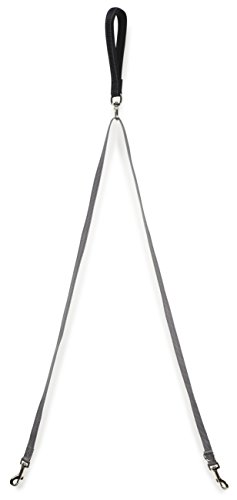
Improved Control for Safer Walks: The PetSafe Two Point Control Leash helps manage pulling behavior with an anti pull setup that allows you to effectively redirect your dog’s movements
Maintaining Control of Your Dog
Maintaining control of our dogs is essential for their safety and the safety of those around us, especially in situations where the leash may break. Effective leash training and behavioral management are vital. We should teach commands like “come” and “stay,” enhancing our ability to regain control if a leash fails.
Using strong, fixed-length leashes, along with harnesses that discourage pulling, can provide better control. Regularly inspecting our equipment helps prevent unexpected failures.
Additionally, we can employ control techniques, like maintaining a firm grip near the collar or using two hands for larger dogs. Staying aware of our environment and practicing dog communication will further help mitigate risks when walking our dogs. Furthermore, using lightweight materials for your dog’s leash and harness can improve comfort and usability during walks.
Recommended Products

PERFECT FIT GUARANTEED: Use our printable measuring guide and tape to choose the right size every time. Don’t guess by breed or weight - measure your dog’s chest and neck for a secure, comfortable fit that reduces returns and keeps your pup happy.
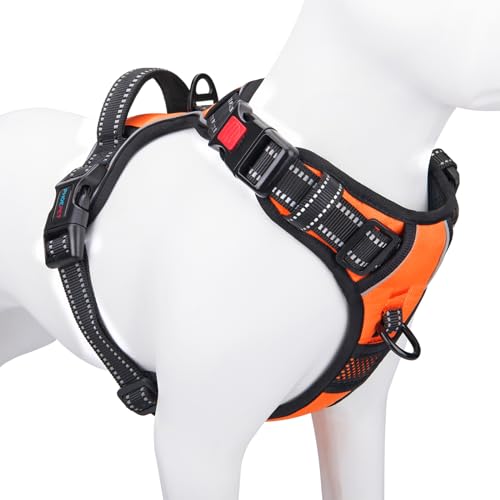
[UPDATED VESION, EASY TO PUT ON & TAKE OFF] This dog harness has 3 buckles( One is on the neck with Lockable, two are on the chest), NO NEED go through dog’s head. This will let your dog loves to wear harness!

【 NO PULL & NO CHOKE 】tobeDRI dog harness featured with 2 strong metal delta shape-rings on front and back for leash attaching, front clip prevent pulling and back for relaxed walking. The 2 rings are sewn with durable thick nylon webbing and enforced box stitches and bartacks that preventing ripped off even pulling hardly. Pulling pressure is evenly distributed to the body to prevent choking
Ensuring Safety in the Environment
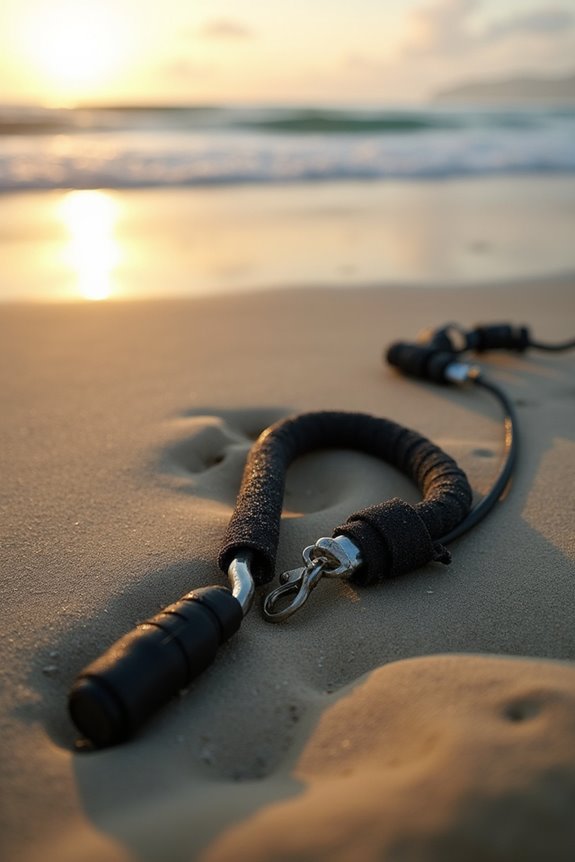
Guaranteeing safety in the environment is essential for a positive dog-walking experience. We must remain aware of our surroundings, as injuries often stem from tripping or being pulled by the leash. By practicing terrain awareness, we can identify environmental hazards like rocks, curbs, and uneven sidewalks that may lead to falls.
Avoid walking near busy roads or areas with high traffic, as a broken leash can create dangerous situations. Look out for slippery leaves, wet pavement, or ice, which increase the risk of injury. Choosing paths with clear visibility and fewer distractions helps maintain control and guarantees our safety. Regularly inspecting leashes can also prevent sudden breakage, allowing for a safer outing. Additionally, using a waterproof pouch can protect your essentials while navigating outdoor environments.
Recommended Products

【REMOVABLE DOG SNACK POUCH】Keep treats fresh and your dog training pouch clean with the detachable snack pouch! Store snacks in this separate compartment to prevent odors and mess—just remove and wash the pouch instead of the entire bag. Need more space? Clip it to the side D-ring to free up room in the main compartment.

Magnetic Treat Pocket: Front magnetic pocket lets you grab treats quickly with one hand during training or walks. Secure closure helps prevent spills while keeping rewards easy to reach

【Removable Snack Pouch & Fresh Treat Storage】 Comes with a detachable snack pouch so you can keep your dog’s training treats fresh and your main bag mess-free. Clip the pouch to the side D-ring to free up space for other essentials.
Temporary Restraint Options
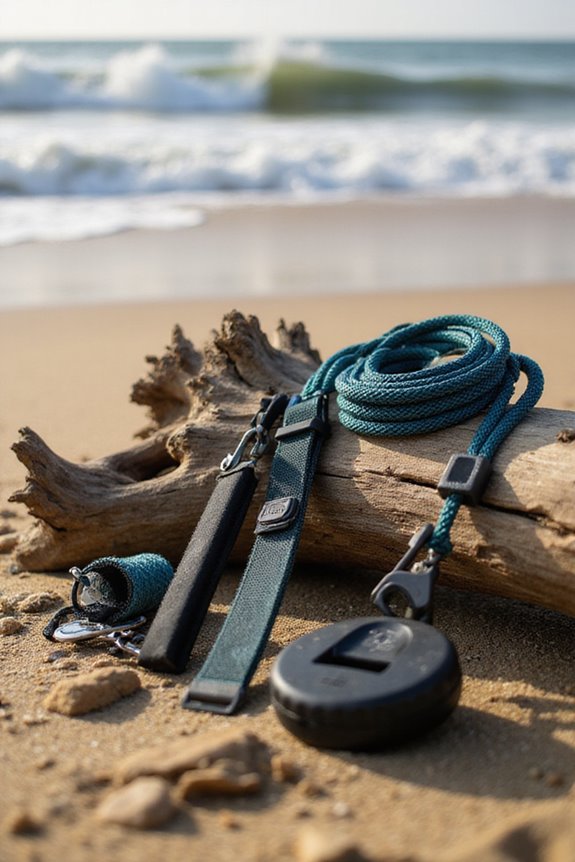
After ensuring safety in our environment, it’s important to contemplate temporary restraint options if our leash breaks. One effective method is creating an improvised slip lead. We can loop the leash under the dog’s belly and back up alongside their body, adjusting the tension carefully. Using a carabiner can help secure the loop.
For dogs that may bite, we can fashion temporary muzzles using soft rope or gauze. By tying loops behind the ears and creating a muzzle with half-hitch knots, we can prevent biting while allowing quick release. Additionally, we should always have a plan for maintaining ear protection during emergencies, as unexpected situations can arise.
Remember to supervise our dogs closely with any temporary restraint, as these measures are not permanent solutions. Always seek to replace a broken leash promptly for long-term safety.
Recommended Products
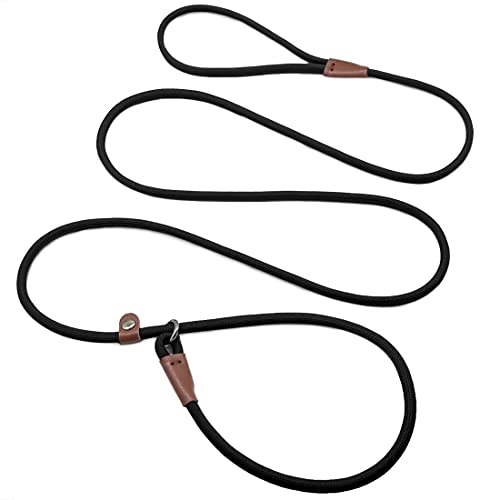
Control for Behavior: No pull slip lead dog leash, 2 in 1 leash and collar design. Simple and easy use to correct behavior and stop dogs from pulling

【EASY AND CONVENIENT】- No collar or harness needed. With the adjustable loop, extremely simple and easy to put on or off

【EASY AND CONVENIENT】- No collar or harness needed. With the adjustable loop, extremely simple and easy to put on or off
Importance of Leash Inspection
When we consider the safety of our dogs during walks, regular leash inspection becomes essential. Leashes are subject to mechanical stress, leading to wear and tear over time. To guarantee leash durability, we should inspect them before every walk, focusing on fraying, discoloration, and cuts along the entire length.
Inspection Frequency:
- Conduct thorough checks monthly.
- Increase inspection frequency for strong or active dogs.
- Inspect immediately after exposure to harsh conditions.
Key Areas to Inspect:
- Metal clips for rust and secure locking.
- Stitching lines for looseness or missing threads.
- Flexibility to prevent snapping. Additionally, prioritize high-quality brands to ensure your leash can withstand the rigors of regular use.
Selecting the Right Leash and Harness
Selecting the right leash and harness is essential for both our comfort and our dog’s safety during walks. When it comes to leash materials, we have options like durable leather, lightweight nylon, waterproof biothane, and sturdy chain. Each material has its pros and cons, depending on our dog’s behavior and environment.
For harness types, we can choose between front-connection and back-connection options. Front-connection harnesses help control pulling, while back-connection ones offer comfort. It’s important to take into account our dog’s size, strength, and pulling tendencies when making these choices. Ultimately, the right combination of leash and harness guarantees a safe, enjoyable walking experience for both us and our furry friends. Additionally, selecting a leash with safety features can further enhance our walking experience by reducing the risk of accidents.
Recommended Products

All-In-One Convenience: Our dog travel kit is your one-stop solution for all pet adventures. Equipped with a no-pull harness, leash, collar, car safety belt, portable bowl, and waste bag dispenser, it's everything your furry friend needs in one purchase

[PUPTECK BRAND SIZE S] - Harness Chest 14.5"-16", Collar Length 7.9"-11.8". Corresponds to REGULAR SIZE XS. Recommended to x-smal to small pets, such as cat, chihuahua, pomeranian, poodle, shih tzu, bichon frise, etc. Sizing does NOT directly correspond to your pet's breed or weight, and do NOT order the usual size directly, please always measure your dog and refer to our brand size chart

Colorful Pattern Printed: this dog harness is design with unique patterns printed, individual printing makes the dog full of vitality and stand out from the pets. Fully enjoy the joy with your love dogs. NOTE: PLEASE BE SURE TO MEARSURE YOUR PET’ S CHEST AND NECK SIZE BEFORE PURCHASE AND REFER TO OUR SIZE CHART FOR THE BEST FIT!
Emergency Preparedness for Dog Walks
Walking our dogs should be a safe and enjoyable experience, but unexpected situations can arise, such as a leash breaking. To prepare, we can carry essential emergency tools, including an extra leash or slip lead, identification tags, and a basic first-aid kit.
It’s also wise to plan our walking routes, favoring enclosed parks or low-traffic streets to minimize risks. Familiarizing ourselves with community resources, such as local animal control and emergency vet clinics, can enhance our readiness.
Additionally, we should consider obtaining pet insurance to guarantee our furry friends receive the care they need if an accident occurs. By being prepared, we’re better equipped to handle emergencies effectively and keep our dogs safe.
Steps for Post-Breakage Evaluation and Prevention
In order to effectively address a leash breakage, we need to follow a series of systematic steps that prioritize safety and prevention. First, we should inspect the broken leash for damage, focusing on any weak spots, hardware issues, or material fatigue. It’s vital to document these findings for future reference.
Next, we must assess both our pet’s and our safety, securing the dog with an alternative method immediately. We should also evaluate potential hazards in the environment.
Finally, we can prevent future issues by upgrading to durable leash materials better suited for our dog’s needs and implementing behavioral training to reduce strain during walks. Regular inspections and maintenance are essential practices to guarantee ongoing safety.
Frequently Asked Questions
How Can I Train My Dog for Better Leash Manners?
Training our dogs for better leash manners is like teaching them a dance; with positive reinforcement, we’ll guide them gracefully. Through patience and practice, we’ll create a harmonious bond while mastering leash training together.
What Are the Best Materials for Durable Leashes?
When choosing durable leashes, we should consider both nylon leashes and leather leashes. Nylon offers excellent weather resistance and low maintenance, while leather provides strength and a natural grip that improves over time with care.
How Often Should I Inspect My Leash for Damage?
Imagine our leash’s dramatic exit during a squirrel chase! To prevent such chaos, we should inspect it every 1-2 weeks—following leash maintenance tips—especially after muddy adventures. Consistent inspection frequency keeps our spirited outings safe!
Are There Specific Leash Types for Different Dog Breeds?
When choosing a leash, we must consider breed characteristics and suitable leash materials. Strong breeds need durable options, while small dogs benefit from lightweight designs, ensuring both comfort and control during our walks together.
What Should I Do if My Dog Refuses to Return After Escaping?
If our dog refuses to return after escaping, we should use our escape strategies, remain calm, and encourage with recall training. Patience and familiar commands can help coax them back safely.