As an Amazon Associate, we earn from qualifying purchases. Some links on this site are affiliate links at no extra cost to you. Our recommendations are based on thorough research and editorial judgment.

Why Does My Leash Get Tangled?

When our leashes get tangled, it’s often due to various factors we may overlook. Common causes include leash-reactive behavior and pulling, which twist the leash. The design of the leash itself can play a role; mechanisms like 360° swivels reduce knots. Environmental elements such as dense vegetation or poor visibility also contribute. Understanding these factors can help us implement effective strategies. Learn more about the impacts of leash design and tips for preventing tangling.
Key Takeaways
- Leash-reactive behavior, such as lunging at passing stimuli, often causes knots in the leash.
- Pulling while walking can twist the leash and increase the risk of tangling.
- Walking multiple dogs simultaneously frequently leads to entanglement issues.
- Environmental factors, like sudden noises or obstacles, provoke erratic dog movements that tangle leashes.
- Poor leash training and lack of impulse control can complicate walking habits, resulting in tangles.
Common Causes of Leash Tangling
You may be interested



When we walk our dogs, various factors can lead to leash tangling, making our outings frustrating. One major cause is leash-reactive behavior, where dogs lunge at stimuli, creating knots. Additionally, pulling behavior—common in many dog breeds—can twist leashes and even cause trips.
Walking multiple dogs simultaneously often results in tangling, especially if their temperaments clash or they’re overly excited.
Environmental triggers, like other animals or loud noises, can also provoke erratic movements, increasing the chances of tangles.
Moreover, the leash type we choose can affect how easily our dogs can move. Lack of proper leash training further complicates the situation, making it essential for us to work on establishing better walking habits with our pets. Understanding safety precautions while walking can also help minimize tangling incidents.
Recommended Products
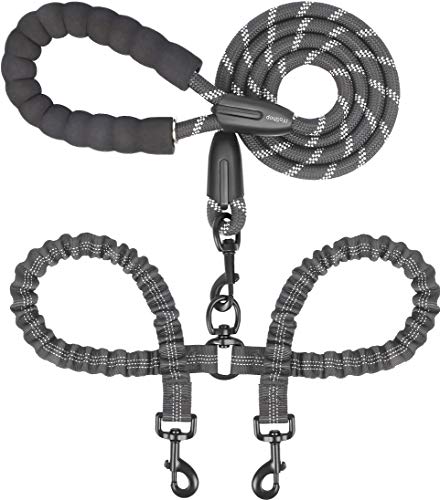
The iYoShop Double Dog Leash Advantage: 31 inch rope leash + double bungee extension (20 inches - 35 inches)

No Pull:Bungee cord design allows for dogs to pull at different intensities that ease walking multiple dogs
The Impact of Leash Design on Tangles
The design of a leash greatly impacts the likelihood of tangles during walks. Incorporating swivel mechanisms, such as 360° swivels, allows the leash to rotate freely, reducing knots as our pets move. This feature is especially useful for dual dog leashes, preventing simultaneous tangling.
Leash materials also play a significant role. Lightweight, weather-resistant fabrics, like braided polyester, minimize stiffness and tangling risk. Smoother weaves contribute to reduced friction, while durable materials prevent snagging. We should consider handle designs too; ergonomic grips enhance control, helping to avoid twisting. Additionally, selecting a leash with excellent grip and traction can further improve manageability during walks.
Recommended Products

【 Versatile Hands-Free Design】Carry it in hand, wear it around your waist, or sling it crossbody—adapt to your activity! Perfect for jogging, hiking, or casual walks, this hands free double dog leash moves with your rhythm.
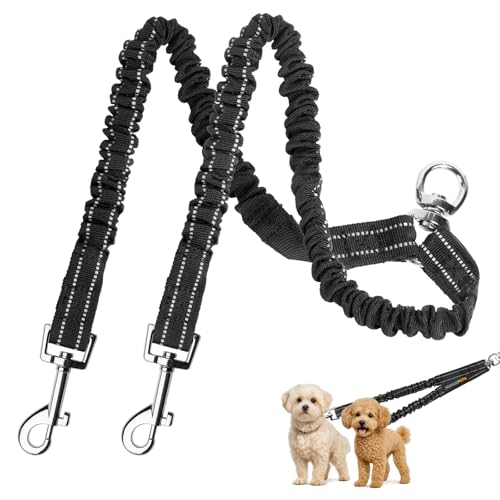
Comfortable and Convenient: Just attach one leash to the extra strength coupler or splitter and you can walk and control 2 dogs at once while maintaining control over both! Whether it's a morning jog or a long hike, using one leash to control 2 dogs makes dog walking a pleasure

Durable and Convenient Retractable Dog Leash, 16FT Ideal for small, medium, and large dogs 18Ibs to 88 lbs, this retractable leash combines strength with lightweight design—weighing only 1.12 lbs while extending up to 16 feet. Whether you're training or enjoying a walk, it offers both freedom and security for your furry companion.
Behavioral Factors Leading to Tangling
Understanding the behavioral factors that contribute to leash tangling can help us manage walks more effectively. Fearful behaviors, such as barking or lunging, often arise when dogs feel confined by their leash. This fear can escalate into chronic anxiety or aggression, increasing the risk of tangling.
Frustration tolerance is another key factor. When dogs can’t access stimuli, they may react with playful barking or pulling, which can lead to erratic movements and tangling. Additionally, a lack of impulse control makes it difficult for dogs to remain calm on a leash. Frequent corrections or punishments can heighten their frustration, creating a cycle of reactive behaviors. By recognizing these factors, we can implement strategies to reduce leash tangling during our walks. Furthermore, using a quality surfboard can enhance overall performance, helping to maintain better control during water activities.
Environmental Influences on Leash Entanglement

How do environmental factors contribute to leash entanglement? Various environmental conditions, such as moving water and underwater obstacles, markedly increase our risk of tangling leashes. For instance, even minimal currents can pull leashes into rocks or debris, creating dangerous entrapment points.
Additionally, poor water clarity can obscure submerged hazards, making it hard to spot potential snagging spots. Low light conditions, murky water, and sudden changes in water clarity after storms elevate the risk of entanglement. Dense vegetation along riverbanks also increases the likelihood of leashes getting caught. To stay safe, we must remain aware of these environmental factors while paddling and choose our routes wisely. Furthermore, understanding local surf conditions can help identify safer areas to navigate and reduce the risk of entanglement.
Risks of Injury From Tangled Leashes

Leash entanglement poses significant risks of injury, particularly for dog owners and handlers. According to injury statistics, approximately 356,746 cases of dog-leash-related injuries occur nationwide each year. Most injuries involve limbs getting caught during sudden pulls, often leading to sprains or fractures, especially in fingers and wrists.
In fact, nearly 22% of these injuries require surgical treatment, highlighting their severity. Common injuries include interphalangeal joint sprains and phalangeal fractures, which can necessitate both surgical intervention and non-surgical treatment options like splinting or bracing. Understanding these risks can help us take preventative measures, ensuring safer outings for both us and our dogs. Additionally, using a safety ankle leash can enhance security during outdoor activities, reducing the likelihood of accidents.
Recommended Products

Engineered for Ultimate Strength: Constructed from 1/2 inch diameter rock climbing rope, this heavy duty dog leash is distinctively durable and strong. It is designed to withstand the strongest pulls from large and energetic dogs, giving you peace of mind that your pup won't break free during walks

【Extra-Strong Anti-Bite Rope】Crafted from durable coated wire rope, this metal dog leash is designed to withstand even the toughest chewers and teething puppies, ensuring it won’t break or fray during use.

Chew Proof: The Anti-bite dog tie out cable made of 7*19 braided steel wire, coated with chew-proof PVC coating, effectively prevents biting damage
The Importance of Leash Training
The importance of leash training cannot be overstated, as it establishes a foundation for effective communication between us and our dogs. Through leash communication, we signal acceptable behaviors, guiding our pets to understand when it’s time to walk calmly or explore.
Leash training enhances leash obedience, helping our dogs associate specific cues with desired actions. This structured approach not only improves our walking experience, but also promotes safety in busy environments.
Moreover, leash training supports a healthier lifestyle by encouraging regular exercise and mental stimulation. As we work together on leash manners, we strengthen our bond and develop essential life skills, benefiting both our dogs and ourselves in the long run. Additionally, engaging in activities like surf training tools can further enhance our physical fitness, making our walks more enjoyable and effective.
Comparing Different Leash Types and Their Tangle Risks
Understanding the various types of leashes we use can greatly influence our walking experience and our dog’s behavior. Each leash type comes with unique leash materials and varying risks of tangling.
- Standard Flat Leashes: Made of nylon or leather, they have a moderate tangle risk due to their flat design and length options.
- Retractable and Long Line Leashes: These offer flexibility but often result in tangled slack if not carefully managed.
- Bungee Leashes: While they absorb shock, their elasticity can lead to unpredictable tangling during sudden movements.
- Hands-Free and Adjustable Leashes: These provide convenience but can wrap around obstacles, increasing tangle risks.
- Chain and Slip Leads: While chain leads minimize some tangles, slip leads can easily twist if the dog is active.
Understanding these factors aids in tangle prevention.
Recommended Products

【Professional Retractable Dog Leash】 The ultimate combination: 16 ft strong nylon reflective tape, impact-resistant ABS housing, and a stainless steel anti-chew cable. This design greatly reduces the risk of being bitten through, extending the leash’s lifespan. Augwind’s retractable leash is specifically designed for small to medium dogs under 50 lbs, offering the best value on the market

Heavy Duty and Ultra-Strong Steel Cable: Crafted with 5mm high-strength stainless steel wire and reinforced PVC coating, this dog tie out cable withstands up to 1700 lbs break strength and is chew-proof, engineered for dogs up to 125 lbs to ensure ultimate safety in yards, camps, or gardens.

Ultimate Chew-Proof Build: Multi-strand stainless steel cable wrapped in smooth vinyl coating, fully bite-resistant for teething puppies and aggressive heavy chewers; stops frequent replacement of chewed nylon leashes
Tips for Preventing Leash Tangles
While we enjoy our walks with our dogs, preventing leash tangles is essential for a smooth experience. By focusing on leash maintenance and employing preventative measures, we can considerably reduce tangling issues.
Regular Care
- Clean Leashes: Regularly remove dirt, sand, and hair from leashes to minimize friction.
- Lubricate Mechanisms: Apply lubricant to retractable leashes for smooth operation.
Ideal Use
- Appropriate Length: Use shorter leashes in crowded areas to limit tangling; longer leashes in open spaces for more freedom.
- Training: Teach our dogs to walk beside us and follow directional commands to avoid erratic movements.
Recommended Products

【32FT Retractable Leash】This 32ft retractable dog leash is ideal for outdoor adventures with your dog, providing ample freedom in open spaces. The leash extends up to 32ft, allowing you to adjust the length based on different environments and activities. Ideal for city walks, park strolls, and hiking. Suitable for large dogs up to 50 kg (approximately 110 pounds) as well as small and medium-sized dogs
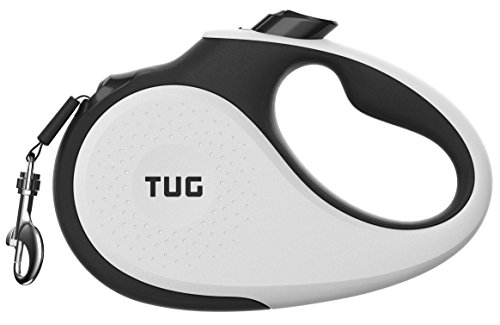
26 ft Long Retractable Tape for Extra Distance with 360 Degree Tangle-Free Tape Movement

Perfect for Small to Large Dogs: 10FT leash is suitable for dogs up to 33 lbs. 16FT leash is suitable for dogs up to 44 lbs. 26FT leash is suitable for dogs up to 110 lbs. Three sizes are available in a variety of colors
Frequently Asked Questions
How Can I Choose the Right Leash to Minimize Tangling?
When we choose a leash, we should consider durable leash materials and appropriate leash length. A shorter, tangle-resistant leash made from strong materials can markedly minimize tangling and enhance our walking experience with our dogs.
What Should I Do if My Leash Becomes Tangled During a Walk?
When our leash gets tangled during a walk, we can use effective untangle techniques. By practicing proper leash management and guiding our dog calmly, we’ll minimize stress and get back to enjoying our time together.
Are Certain Dog Breeds More Prone to Leash Tangling?
Absolutely, certain breeds are indeed more prone to leash tangling. Their breed temperament and energy levels, combined with leash length, can lead to more frequent twists and knots during our walks together. Let’s stay attentive!
Can Leash Tangling Be a Sign of Behavioral Issues in My Dog?
Leash tangling can signal serious struggles, showcasing our dog’s discomfort. Through proper leash training, we can alleviate dog anxiety, fostering freedom and fun. Let’s embrace positive practices to promote peaceful walks and happier pups together!
How Often Should I Check My Leash for Wear and Tear?
We should check our leashes for wear indicators every 1-2 weeks, especially for daily use. Regular leash maintenance helps guarantee safety and longevity, allowing us to enjoy our walks without worry.