As an Amazon Associate, we earn from qualifying purchases. Some links on this site are affiliate links at no extra cost to you. Our recommendations are based on thorough research and editorial judgment.


How Do I Handle Surfing With Joint Pain Or Arthritis?

To handle surfing with joint pain or arthritis, we must prioritize joint protection and conditioning. Proper paddling techniques can align our joints correctly, while strength training and flexibility exercises build muscle support. Warm-ups and stretching before and after surfing can enhance recovery. Adapting our activities, like selecting softer waves and using modified movements, reduces strain. Additionally, we can manage impacts and focus on recovery post-surfing to maintain our performance. There’s more to explore on managing surfing with joint issues.
Key Takeaways
- Prioritize joint protection by using braces and supportive gear to enhance stability while surfing.
- Incorporate proper paddling techniques to maintain joint alignment and reduce strain on the shoulders and lower back.
- Engage in regular strength and flexibility training to support and stabilize key joints, improving overall performance.
- Warm up dynamically before surfing and stretch post-surf to aid recovery and promote joint health.
- Choose smaller waves and modify techniques to minimize joint stress and manage arthritis effectively while surfing.
Understanding Joint Pain and Arthritis in Surfing
You may be interested



When we think about surfing, we often focus on the thrill of riding waves, but it’s essential to recognize how this sport can impact our joints. The repetitive paddling motion stresses our joint anatomy, particularly the lumbar spine’s facet joints, leading to pain triggers like low back pain.
Shoulder strain from overuse of rotator cuff muscles can cause inflammation, reducing our range of motion. Additionally, hip joints experience rotational stress, resulting in hip flexor strain and pain.
These factors may lead to chronic issues such as arthritis, affecting our surfing performance. By understanding these joint-related challenges, we can better prepare ourselves to manage and mitigate pain while enjoying our time in the water. Utilizing proper body surfing gear can also help alleviate some joint strain and enhance overall performance in the water.
Importance of Joint Protection and Injury Prevention
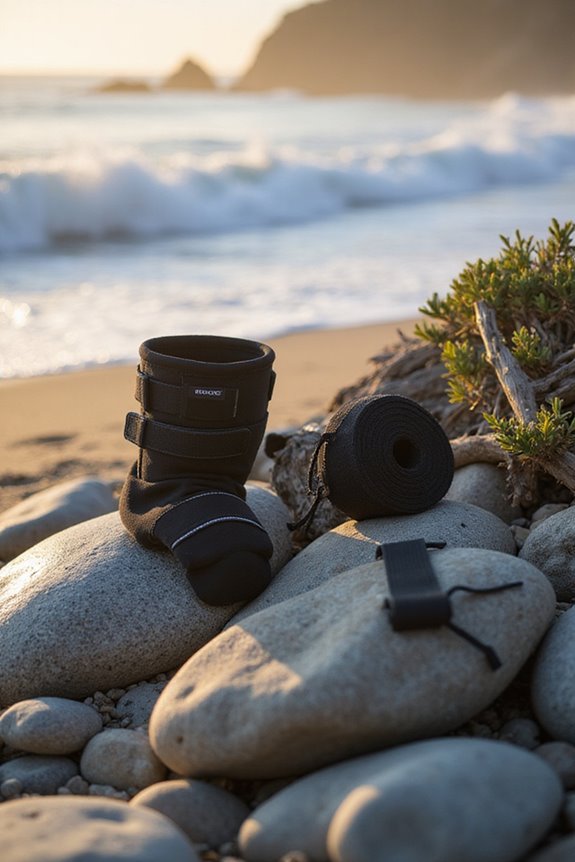
While we all enjoy the thrill of surfing, it’s essential to prioritize joint protection and injury prevention to sustain our passion for this sport. By focusing on proper conditioning, we can strengthen the muscles around our joints, reducing load and strain. Techniques like proper paddling and pop-up forms help prevent common injuries by distributing weight evenly and maintaining joint alignment.
We should also consider using joint support gear, such as athletic taping or neoprene braces, to enhance stability. Pre-surf warm-ups and post-surf stretching are crucial for preparing our joints and aiding recovery. Additionally, we must listen to our bodies, avoid pushing through pain, and monitor surf conditions to keep our surfing experience safe and enjoyable. Incorporating proper ear protection can further enhance our surfing experience by preventing ear infections and minimizing discomfort while in the water.
Recommended Products

TRUSTED BY MEDICAL PROFESSIONALS — The Comfort Cool CMC Thumb Brace is designed to be a top-recommended thumb restriction splint by physical therapists and occupational therapists for relief from arthritis, tendinitis, and repetitive use injuries of the CMC joint.

Customisable Open-Patella Design - Popular orthopaedic brace relieves pressure and stress on the knee-joint during exercise; fully adjustable straps can be attached to almost any exterior point helping to prevent slippage and accommodate a broad range of users.

Universal Size. Fit's either hand
Strengthening and Stabilizing Muscles for Better Support
Strengthening and stabilizing our muscles is essential for better support during surfing, as it enhances overall joint stability and helps prevent injuries. Incorporating strength training into our routine can greatly improve muscle activation around key joints, such as the knees and hips.
Lower Body Exercises:
- Squats and lunges strengthen muscles around the knees and hips.
- Rear foot-elevated split squats target quadriceps and glutes, aiding knee alignment.
- Single-leg hip extensions engage glutes for better leg and knee support.
Core and Shoulder Stability:
- Scapular push-ups activate the serratus anterior, vital for shoulder stability.
- Dumbbell push-ups with rotation enhance core and shoulder control. Additionally, practicing yoga poses like Warrior II Pose can further strengthen these muscle groups, promoting better stability on the surfboard.
Recommended Products
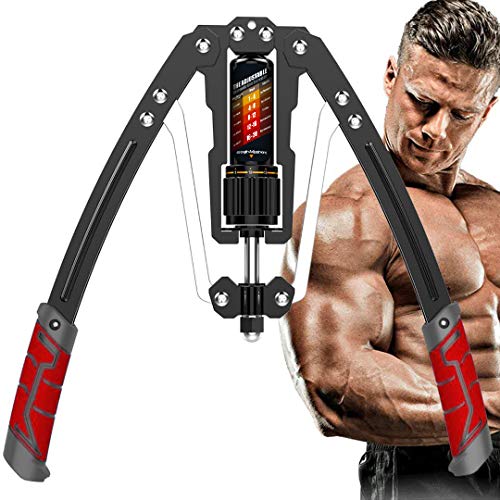
【Adjustable Resistance】Rotating the knob to easily adjust the resistance, rang 22-440 lbs free adjustment. Just rotating the knob, resistance can be adjusted, faster than car shifting.
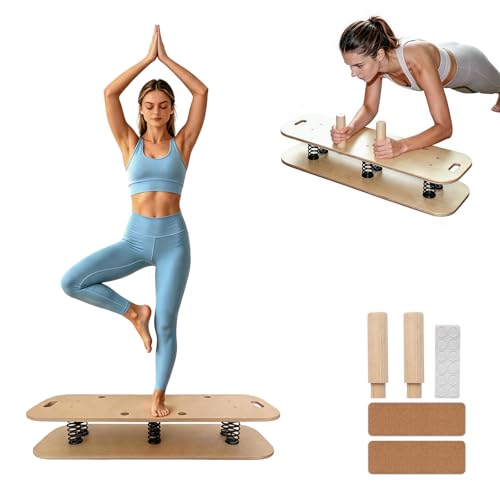
360° Dynamic Spring Rebound: Trampoline‑like bounce, more muscle engagement, real sports instability. Train your balance where it matters.
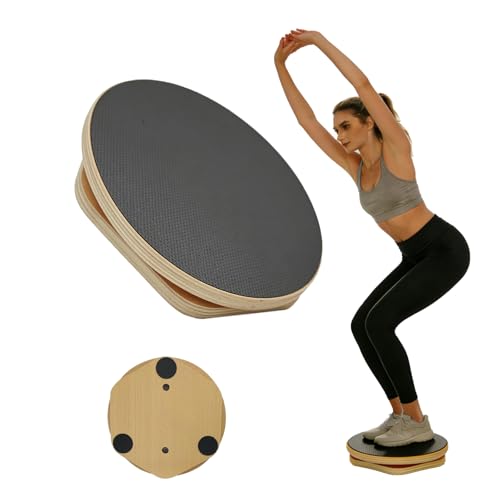
《Quality & Durable》: Made from high-quality wood with a non-slip surface Environmentally friendly and odorless, the twister board is built to last and can support up to 360 pounds.And coated with environmentally friendly wood wax oil,High quality wood ensures long-term use without easy damage,The EVA anti slip pad attached to the disc surface is safer
Enhancing Flexibility and Mobility for Surfing
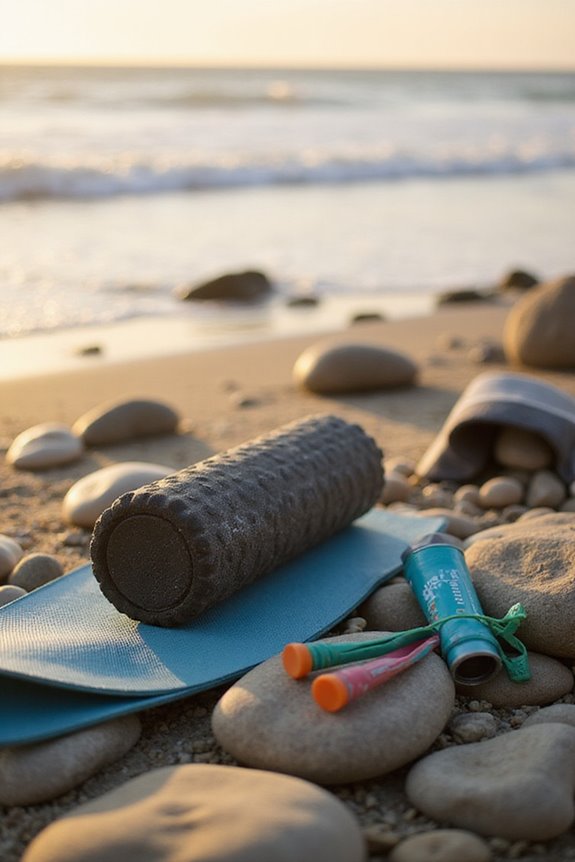
Thoracic stretching with rotational exercises enhances upper back mobility, essential for paddling and turning. Engaging in dynamic movements during our warm-ups prepares our joints for complex surfing actions. Regular practice of these stretches promotes joint care and muscle relaxation, enabling us to enjoy surfing while minimizing discomfort and maximizing performance. Incorporating flexibility training into your routine can further enhance your overall performance and reduce the risk of injury.
Recommended Products

STRETCH OUT SAFELY AND EFFECTIVELY: Extra long stretch strap facilitates a safe and effective full body stretch. Perfect for yoga, Pilates, ballet, CrossFit and physical therapy, warming up with a stretch strap helps to prevent injuries and enhances muscle recovery.
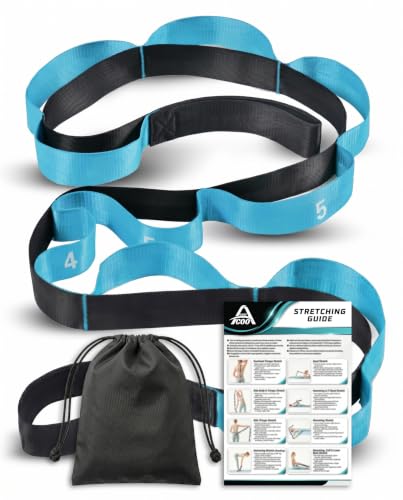
[2 VERSATILE OPTIONS FOR YOUR NEEDS] Available in two tailored styles. Choose our Professional 86" x 1.5" Strap featuring 10 numbered loops, a carry pouch, and an exercise guide for structural rehab. Or opt for our Minimalist 75" x 1" Strap for a sleek, lightweight, unnumbered stretching experience

Upgrade Exercise Band: Made of high quality TEP material, latex free, skin friendly, odorless, smooth and non-sticky surface, safe and durable for long term elasticity, the elastic band is 59 inches long and 5.9 inches wide.
Techniques to Improve Form and Reduce Strain
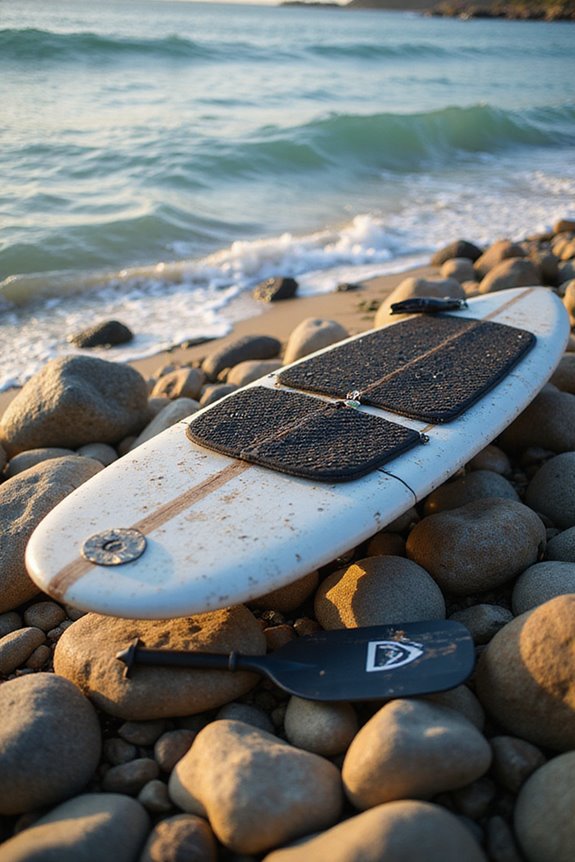
To enhance our surfing experience and protect our joints, it is vital to focus on improving our form and reducing strain. We can start by optimizing our paddling techniques. Maintaining a neutral spine and engaging our core can minimize stress on our lower back. Smooth, controlled paddle strokes are essential to lessen impact on our shoulders and elbows.
Next, we should enhance our pop-up technique. Controlled, explosive movements during pop-up drills will help protect our back and knees. Practicing slow-motion pop-ups can improve our alignment and prevent compensatory twisting. Additionally, wearing a well-fitted 3MM neoprene wetsuit can provide essential thermal insulation and flexibility, further supporting joint comfort during surfing activities.
Recommended Products

【SUPER-STRETCH CR NEOPRENE】Crafted of ultra-stretch CR neoprene. 3mm wetsuit shorts offer a superior feel and 200% more flexibility than standard neoprene, providing exceptional freedom of movement for swimming, surfing, diving, and kayaking

Adult one-piece wetsuit made in 3 mm Premium Quality Neoprene, ideal for any kind of water sport, such as snorkeling, surfing, diving, and paddle boarding.

This shorty 3mm wetsuit men women is specially designed for water sports and water aerobics.Easy to Wear: Backzip design with extra long pull-tab, simple and easy to wear.
Managing Impact and Recovery Post-Surfing
After we finish a surfing session, it’s essential to address any joint pain or discomfort we might experience. Regular pain assessment helps us identify areas needing attention and guides our recovery strategies.
To manage pain, we should apply ice therapy immediately after surfing to reduce inflammation. Over-the-counter anti-inflammatory medications can also assist in managing discomfort.
Additionally, we need to allow adequate recovery time, avoiding high-impact maneuvers or long sessions that strain our joints. Incorporating low-impact activities, like swimming or cycling, can maintain our fitness while supporting joint recovery. It’s also beneficial to consider wetsuit thickness when selecting gear, as a properly fitted wetsuit can provide support and minimize strain on joints during surfing.
Lastly, using supportive braces, proper wetsuit fittings, and warm-up routines will help protect our joints during our next surfing adventure.
Tailoring Surfing Activities for Arthritis Management
When we live with arthritis, adapting our surfing activities becomes essential for maintaining our passion while managing discomfort. To do this effectively, we can apply adaptive techniques that break down complex moves, like the “pop-up,” into manageable parts. Wave selection is vital; opting for smaller, softer waves reduces the risk of injury and stress on our joints.
We should modify our paddling techniques to minimize strain, focusing on using our upper back. Additionally, controlled movements during changes help protect vulnerable joints. Incorporating strength exercises for our core and legs can enhance stability, while regular mobility routines improve our range of motion. By implementing these strategies, we can enjoy surfing while prioritizing our joint health.
Recommended Products

ANFYKO CLASSIC 10" SUP FIN DESIGN: Featuring a timeless curved-tip template, this 10" paddle board fin is engineered for stability and control in flatwater paddling and maneuvering. Its balanced rake offers reliable hold during turns while maintaining smooth tracking, making it ideal for SUP enthusiasts exploring versatile performance.
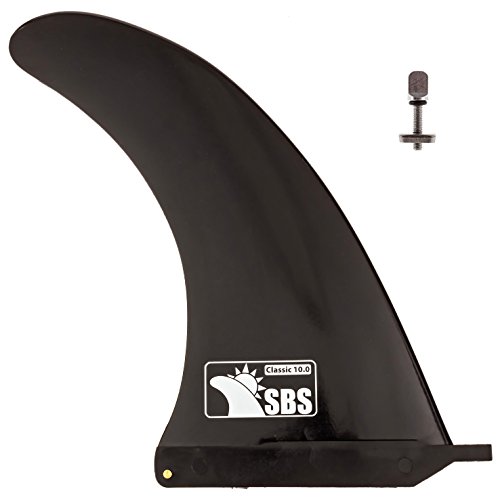
CLASSIC FIN TEMPLATE: This is our largest fin template, designed for center fins for longboards and paddle boards. Medium build and rake make this design the foundation for further fin template exploration. This time tested classic foil paddles easy and provides good hold in both flat water paddling and for turns and noseriding

PERFECT CHOICE FOR BEGINNERS: A large 102 square inches with concave grooves design, this blade ensures a powerful and stable stroke, by reducing flutter during the paddling. The ergonomic handle also helps reduce fatigue on the shoulder. It floats in both salt water and fresh water(When the whole paddle is assembled), and thus is a perfect choice for beginners, casual paddlers, and rental shops.
Frequently Asked Questions
What Types of Boards Are Best for Surfers With Joint Pain?
When considering boards for surfers with joint pain, we find that foam boards and longboards work best. They offer stability, buoyancy, and reduced strain, making our time on the water more enjoyable and less painful.
How Can I Modify My Surfing Environment to Reduce Strain?
When we modify our surfing environment, we can use adaptive gear and focus on gentle surfing techniques. Choosing calmer spots helps us minimize strain, while allowing for a more enjoyable and safer experience on the water.
Are There Specific Surf Spots Recommended for Those With Arthritis?
When we seek the perfect surf spot, wave height recommendations and accessibility are key. Let’s explore gentle beaches that cradle our joints, ensuring we ride those mellow waves without worry, enjoying every moment in the water together.
What Should I Do if I Experience Joint Pain While Surfing?
If we experience joint pain while surfing, we should focus on pain management techniques. Adjusting our surf techniques, like using the knee pop-up, can help reduce strain and keep us enjoying the waves safely.
Can Dietary Changes Impact My Joint Health While Surfing?
Absolutely, we can enhance our joint health while surfing by incorporating anti-inflammatory foods into our diet and prioritizing hydration. These changes help reduce inflammation and support recovery, making our surfing experience more enjoyable and pain-free.