As an Amazon Associate, we earn from qualifying purchases. Some links on this site are affiliate links at no extra cost to you. Our recommendations are based on thorough research and editorial judgment.

Can Kids Learn To Surf?

Yes, kids can learn to surf safely with proper guidance. We should equip them with safety gear like soft-top surfboards and wetsuits. Adult supervision or instructors is essential for safety. Understanding ocean awareness, including rip currents and tides, is vital to prevent accidents. Enrolling kids in beginner surfing lessons helps them learn essential techniques, surf etiquette, and local rules. By following these guidelines, young surfers can enjoy the experience while staying safe in the water. More insights await ahead.
Key Takeaways
- Yes, kids can learn to surf with proper guidance and safety measures in place, such as adult supervision and appropriate gear.
- Enrolling kids in beginner surfing lessons helps them develop essential water skills and safety techniques tailored for their age and experience.
- Choosing the right surfboard size and material, like soft foam boards, enhances safety and aids skill development for young surfers.
- Teaching kids surf etiquette and ocean awareness ensures they navigate the water safely and responsibly, reducing risks during surfing.
- Practicing safe techniques, such as proper wipe-out methods and balance exercises, builds confidence and prepares kids for real surfing conditions.
Essential Safety Measures for Young Surfers
You may be interested



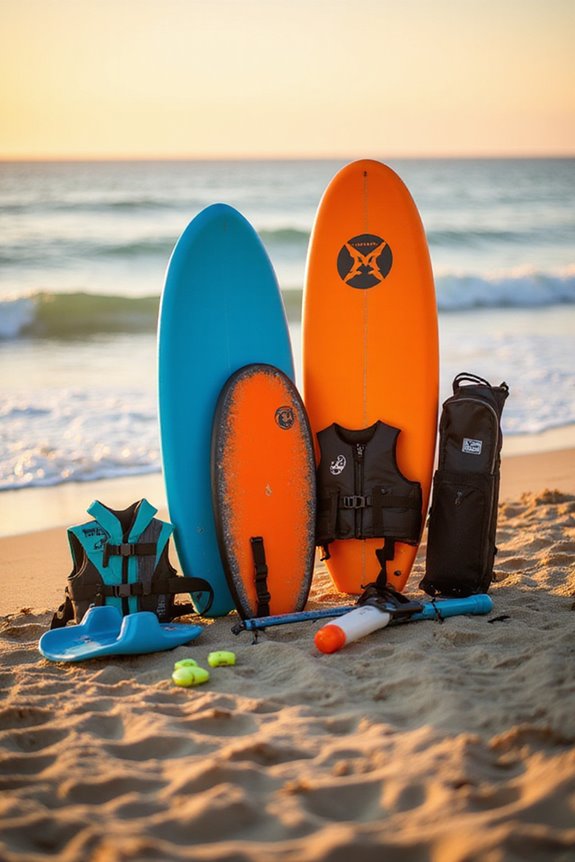
When introducing kids to surfing, it’s important to prioritize safety to guarantee an enjoyable and secure experience. First, we should equip our young surfers with appropriate safety gear. This includes soft-top beginner surfboards, surfboard leashes with quick-release mechanisms, and properly fitted wetsuits to prevent hypothermia.
Next, we must implement solid supervision practices. Always verify adult supervision or a trained instructor is present during surf sessions. Enrolling kids in beginner surfing lessons can also help them learn essential water skills and safety techniques. Additionally, teaching children about surf etiquette and local rules helps them navigate the water safely, reducing the risk of accidents. By taking these precautions, we can create a safer surfing environment for our children. Furthermore, ensuring that children wear rash guards with UPF 50+ provides crucial sun protection while they enjoy their time in the water.
Understanding Ocean Awareness and Hazards
To guarantee our young surfers have a safe and enjoyable experience, it’s vital to understand ocean awareness and the potential hazards they may encounter. Ocean literacy involves knowing how the ocean functions, its ecosystems, and the human impacts affecting them. This knowledge is fundamental for responsible surfing.
Key hazards include:
- Rip currents: Powerful currents that can pull surfers away from shore.
- Waves and tides: Understanding their behavior helps prevent accidents.
- Marine wildlife: Awareness of animals and their behavior guarantees safety in the water.
Additionally, familiarity with seasonal weather patterns can help young surfers choose the best times for surfing and avoid dangerous conditions.
Selecting the Right Surf Equipment
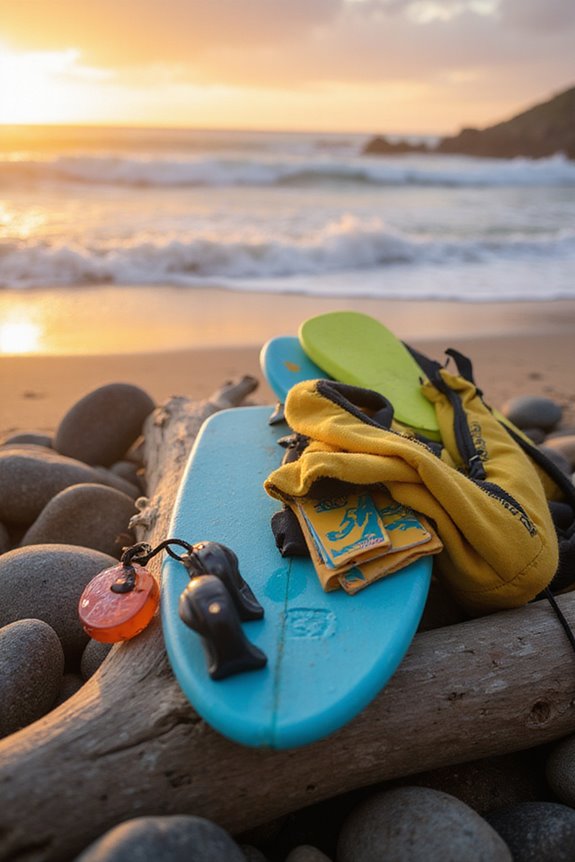
Selecting the right surf equipment is essential for ensuring a safe and enjoyable experience for young surfers. First, we need to reflect on board size. Boards must match a child’s height and weight to provide proper buoyancy and control. Beginners should use longer, wider boards with rounded noses for stability, while more advanced kids can shift to shorter, narrower boards for increased maneuverability.
Next, let’s discuss material types. Soft foam boards are ideal for beginners due to their impact absorption and safety features. As kids advance, they might explore harder boards made from epoxy or fiberglass. Overall, selecting appropriate board size and material types helps our young surfers build skills while minimizing risks. Additionally, boards with buoyant designs enhance balance and make it easier for kids to catch waves.
Teaching Safe Surfing Techniques
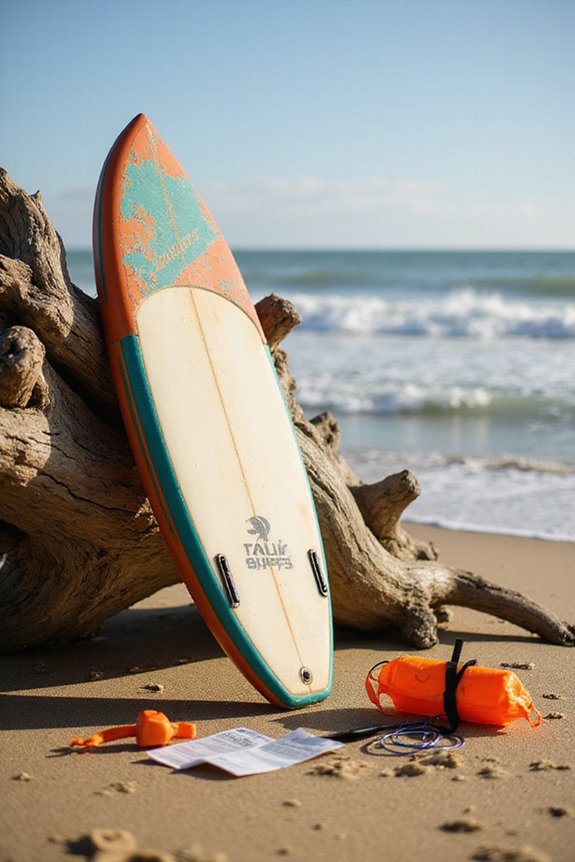
Understanding how to surf safely is just as important as having the right equipment. We should start by practicing balance techniques on land, which helps build muscle memory for standing on the board. Once in the water, learning how to wipe out safely is essential; this includes falling away from the board and protecting our heads.
We can also practice turtle rolls to stay protected from waves while paddling out. Additionally, duck diving allows us to navigate under oncoming waves. Familiarizing ourselves with ocean hazards, like rip currents and sharp objects, is vital for safety. Finally, we should always consult local surf schools for guidance on safe surfing conditions, ensuring a positive and secure experience for the kids. Experienced instructors can provide valuable insights and safety tips to enhance the learning process.
Health and Environmental Considerations
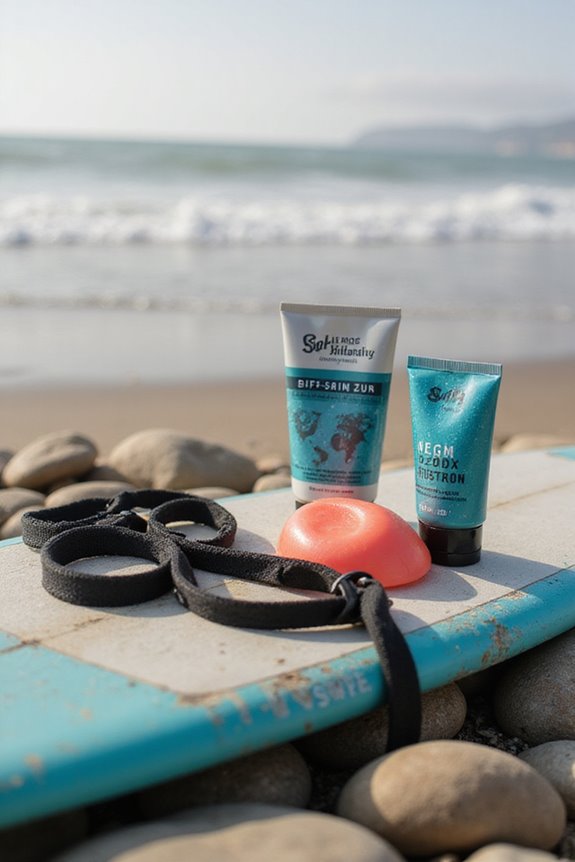
While surfing can be an exhilarating experience for kids, it’s essential to contemplate the health and environmental factors that may impact their safety and well-being. Drowning remains the leading cause of surfing-related fatalities, particularly in younger surfers. Additionally, health risks like gastrointestinal illnesses can arise from poor water quality, especially after wet weather.
To guarantee safety, we should:
- Monitor water quality before surfing, checking for high levels of bacteria.
- Be aware of risks associated with cardiac events, head injuries, and rare occurrences like shark attacks. Moreover, ensuring proper medical emergency assistance is crucial in case of injuries while surfing.
Benefits of Surfing for Kids
As we explore the benefits of surfing for kids, it’s clear that this activity offers a wide range of positive impacts on their physical, emotional, and social development.
Psychological Benefits
Surfing enhances children’s self-esteem and self-confidence, allowing them to feel proud of their accomplishments. It acts as a mindfulness practice, promoting healthier mental spaces through the rhythmic motions of the ocean. Additionally, surfing helps kids develop resilience by enabling them to manage distractions and stress more effectively.
Social Development
Surfing programs foster social support networks and peer relationships, particularly beneficial for children with disabilities. These environments encourage open communication about mental health experiences, promoting personal growth and inclusion. As kids engage in surfing, they become more independent and willing to participate in new social activities. Moreover, engaging in various water sports like surfing can improve their physical fitness and coordination.
Challenges Faced by Young Surfers
Although surfing can be an enriching experience for young surfers, it also presents several challenges that must be addressed. Young surfers often face developmental limitations, such as insufficient physical strength to navigate ocean currents safely and immature balance and coordination skills, which can hinder their ability to stand on surfboards.
Injury prevention is another critical concern. Young children are more prone to impact-related injuries from falls and wipeouts, especially due to their lack of experience evaluating wave dangers. Additionally, environmental hazards like reefs and marine life pose risks. Constant adult supervision is essential, alongside appropriate protective gear, to guarantee a safe surfing experience while addressing these challenges effectively.
Frequently Asked Questions
What Age Is Best for Kids to Start Surfing?
As we watch waves crash, we realize age recommendations suggest starting around six. By then, kids’ skill development aligns with their growing confidence, making it the perfect moment to embrace the thrill of surfing together.
How Can I Find Surf Lessons for My Child?
When we’re searching for surf lessons for our child, we can use online resources and local surf community recommendations. Checking reviews and program details guarantees we find the best fit for their learning experience.
What Are the Top Surf Schools for Kids?
We believe discovering the best surf schools for kids surfing can be exciting. From Witch’s Rock in Costa Rica to Hotel del Coronado in California, there are amazing options that prioritize safety and skill development.
How Can I Support My Child’S Surfing Journey?
To support our child’s surfing journey, we should invest in quality surf gear and prioritize safety tips. Consistent supervision, proper equipment, and teaching ocean awareness will foster confidence and enjoyment in their surfing experience.
What Should Kids Wear While Learning to Surf?
When we think of vibrant surfboards gliding through waves, we can’t forget the right surfing gear. For our kids, snug wetsuit options and protective clothing guarantee they stay warm and safe while embracing the ocean’s thrill.