As an Amazon Associate, we earn from qualifying purchases. Some links on this site are affiliate links at no extra cost to you. Our recommendations are based on thorough research and editorial judgment.


How Do I Handle Beginners In The Lineup?

To handle beginners in the lineup, we should teach them lineup etiquette and prioritize safety. We can guide them to observe experienced surfers and position themselves slightly outside the main peak. Encouraging communication through friendly gestures helps clarify intentions, and we need to reinforce the importance of wave priority—respecting those closest to the peak. By fostering confidence and monitoring ocean conditions, we create a welcoming environment. Let’s explore more ways to guarantee a smooth experience for everyone involved.
Key Takeaways
- Encourage beginners to observe experienced surfers to understand wave dynamics and etiquette before paddling out.
- Position beginners slightly outside the main peak to reduce interference and allow them to learn wave selection.
- Communicate effectively with beginners about wave priority and the importance of yielding to surfers already riding waves.
- Remind beginners to maintain safety awareness by observing ocean conditions, currents, and tides before entering the water.
- Foster a supportive environment by being patient and offering guidance on proper lineup etiquette and turn-taking procedures.
Understanding Lineup Etiquette for Beginners
You may be interested



When we talk about lineup etiquette, it’s important to recognize that there are several unwritten rules designed to guarantee safety and harmony among surfers. To start, beginners should utilize lineup observation techniques, watching experienced surfers to learn about peak locations and traffic flow.
Effective communication signals, such as friendly gestures, help clarify intentions and turns, reducing confusion.
It’s essential to respect the established pecking order; surfers closest to the peak have priority. Beginners should avoid paddling directly to the peak, instead steering around the outskirts. Additionally, understanding the surf conditions at your chosen beach can significantly enhance your lineup experience and safety.
Recommended Products


Positioning Beginners in the Lineup
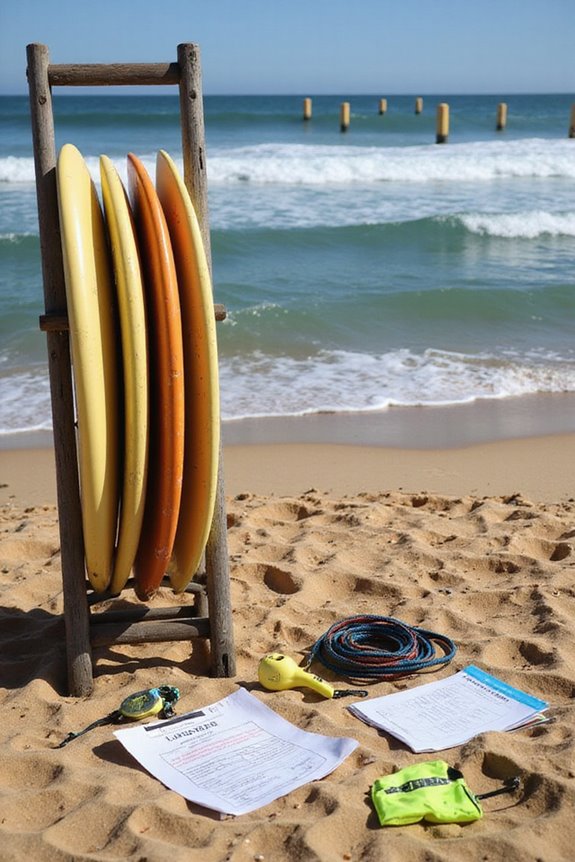
Positioning beginners in the lineup is a key aspect of ensuring a safe and productive surfing experience. We should place beginners slightly outside the main peak to minimize interference with experienced surfers. This beginner positioning allows them to observe wave selection and lineup dynamics while reducing collision risks with faster surfers.
Using visible landmarks helps beginners maintain their spot and understand their position relative to others. They should also spend time observing wave patterns before paddling out, identifying safe entry points and manageable rides. Additionally, understanding wave consistency can guide beginners in selecting the right moments to paddle for waves. Finally, moving around the lineup lets beginners find less crowded spots, enhancing their comfort and adaptability in varying conditions. This approach fosters confidence and promotes a respectful, positive surfing environment.
Recommended Products
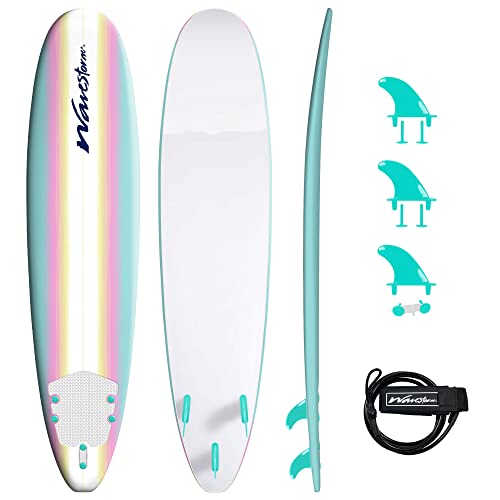
Soft Foam Construction Classic Surfboard, strong EPS core with 3 stringer system

the wavestorm 7ft surfboard dimensions are 7' x 22" w x 3" thick - weight is 10.2lbs - volume at 70 liters

STOP STRUGGLING and START SMILING 😊 – At Own the Wave (by BPS) we know it can be a real struggle to figure out the right water sports gear for you or your family so we use our 30 years of water sports experience (for ourselves and our own kids) to GET IT RIGHT FOR YOU. After starting in a Kiwi garage we have helped hundreds of thousands of customers get to their happy. Start making memories with this surfboard for beginners. Great for those looking for an easy-to-learn surf board alternative
Managing Turn-Taking and Wave Priority
Managing turn-taking and wave priority is essential for maintaining order and respect in the surfing lineup. To guarantee fairness, the surfer closest to the wave’s peak has the highest wave priority. If you’re paddling for a wave, always yield to those already riding it. Avoid dropping in or snaking, as these actions break etiquette and can lead to conflict.
In crowded conditions, a queue system helps manage turn-taking. The surfer who has waited the longest gets priority to paddle for the next wave. After riding, they should return to the back of the line. By consistently respecting these rules, we can create a harmonious surfing environment that benefits everyone. Additionally, understanding ocean dynamics plays a vital role in determining wave priority and ensuring a safe surfing experience.
Safety Awareness for Beginners
To guarantee a safe surfing experience, it’s essential for us to develop a strong awareness of the ocean and its conditions before entering the water. We should observe wave size, breaks, and patterns for at least five minutes to anticipate hazards. Understanding currents and tides helps us avoid exhaustion and accidents.
Using the right protective gear is vital. We must wear a leash to keep our boards close and reduce collision risks. Choosing the appropriate wetsuit thickness based on water temperature prevents hypothermia and enhances comfort. Additionally, wearing rash guards and applying sunscreen protects our skin from injuries and UV damage.
Finally, we should continuously monitor conditions, as ocean dynamics can change rapidly, affecting our safety. Checking local surf reports is crucial for staying informed about wave quality and safety conditions.
Recommended Products

UPF 50+ Sun Protection: Superior UPF 50+ rating blocks harmful UV rays. Protects against sunburn and skin damage while reducing reapplication of sunscreen. Enjoy worry-free outdoor sports like hiking, running, or beach outings with long-lasting sun protection.

FORM-FITTING DESIGN: Designed for Men with a comfortable, tighter fit that provides a second-skin-like feel that’s highly flexible and moves with you for active movement and all-day use

UPF 50+ Sun Protection: Superior UPF 50+ rating blocks harmful UV rays. Protects against sunburn and skin damage while reducing reapplication of sunscreen. Enjoy worry-free outdoor sports like hiking, running, or beach outings with long-lasting sun protection
Building Confidence and Learning Etiquette

Building confidence in the surf lineup is essential for beginners, especially when learning to navigate social dynamics and etiquette. We can enhance our confidence building by observing experienced surfers, understanding wave priority, and practicing proper etiquette reinforcement.
Recommended Products

QUALITY WOODEN&ANTISLIP SURFACE:Built for maximum durability,this balance board is constructed from high-quality heavy duty wood and holds up to 350 pounds.The surface of the balance board trainer boasts matte material, providing non-skid grip and our rolling ball is made of solid rubber materials!

-Stable and Easy to Ride – Designed for all wave conditions, Quill beach board is the ideal bodyboard for kids and adults, beginners and intermediate alike. The 42-inch body board for the beach is the right size for surfers up to 210 lbs.

XCMAN Surf Balance Board Trainer with Adjustable Stoppers - 3 Different Distance Options 9.45, 15.7, and 22 inches.Bamboo Balance Board for Surfing, Snowboarding, Skiing, Skateboarding Training.Step up your balance game.
Key Points for Beginners:
- Right of Way: The surfer closest to the peak has priority; never drop in on others.
- Wave Riding: Only one surfer should ride a wave at a time.
- Yielding: Paddling surfers must yield to those currently riding waves.
- Positioning: Paddle wide around breaking waves and maintain an orderly lineup. Additionally, being aware of local surf etiquette can greatly improve interactions in the lineup.
Frequently Asked Questions
How Do I Communicate With Beginners in the Lineup?
When we think about guiding newcomers, we should embrace beginner etiquette and effective signals. By fostering clear communication, we can create a nurturing atmosphere where everyone feels empowered to learn and grow together.
What Should I Do if a Beginner Drops in on Me?
When a beginner drops in on us, let’s stay calm and gently remind them about beginner etiquette. We can share waves by communicating clearly, helping them understand their role in the lineup while ensuring everyone’s safety.
How Can I Encourage Beginners Without Being Condescending?
To encourage beginners without being condescending, we can use positive reinforcement and supportive language. By highlighting their specific achievements and maintaining an empathetic tone, we foster a growth mindset and confidence in their abilities.
Are There Specific Boards Beginners Should Use?
When we think of learning to surf, it’s like trying to walk on water. For beginners, ideal board sizes—7 to 9 feet—make soft tops or funboards the best board types to guarantee stability and confidence.
What Are Common Mistakes Beginners Make in the Lineup?
We often notice beginners struggle with paddle positioning and wave etiquette. Their footwork can be inconsistent, leading to missed opportunities. Encouraging clear communication and awareness helps improve their performance and overall experience in the lineup.