As an Amazon Associate, we earn from qualifying purchases. Some links on this site are affiliate links at no extra cost to you. Our recommendations are based on thorough research and editorial judgment.
How to Overcome Fear of Big Waves: 2026 Surfing Guide

To overcome fear of big waves in 2026, we should focus on a few key strategies. First, we can use mental preparation techniques like visualization and mindfulness to boost our confidence. Next, gradual exposure to larger waves helps us acclimate and improve skills. Physical training, including strength exercises and yoga, builds our body’s resilience and control. Finally, seeking support from experienced peers can provide guidance and encouragement. By incorporating these strategies, we can enhance our surfing abilities and boost our confidence in 2026.
Key Takeaways
- Practice visualization techniques to mentally rehearse successful rides, reinforcing confidence and reducing anxiety about big waves.
- Gradually expose yourself to larger waves, starting slightly above your comfort level to build skill and confidence over time in 2026.
- Engage in targeted strength training and flexibility exercises, enhancing physical preparedness and injury prevention for better performance in big waves.
- Utilize mindfulness and breathing techniques to manage fear and stress, helping you stay calm and focused during challenging conditions.
- Build a strong social support network with experienced surfers who can provide encouragement and mentorship in 2026.
Mental Preparation Techniques
You may be interested



When we approach the challenge of big wave surfing, mental preparation is as essential as physical training in 2026. One effective method is using visualization techniques. By mentally rehearsing our rides, we can enhance our confidence and calmness. Imagining ourselves successfully maneuvering the waves helps us prepare for real-life scenarios, reducing fear of the unknown.
In addition to visualization, breathing exercises play a vital role in managing stress. Deep, controlled breathing can lower our heart rate and physiological stress response, keeping us focused during intense moments. Practicing mindfulness and meditation techniques helps us stay centered, allowing us to make better decisions under pressure. Together, these techniques build our mental resilience, preparing us for the challenges of big wave surfing. Furthermore, understanding ocean dynamics is crucial for making informed decisions while navigating powerful waves in 2026.
Gradual Exposure and Skill Progression
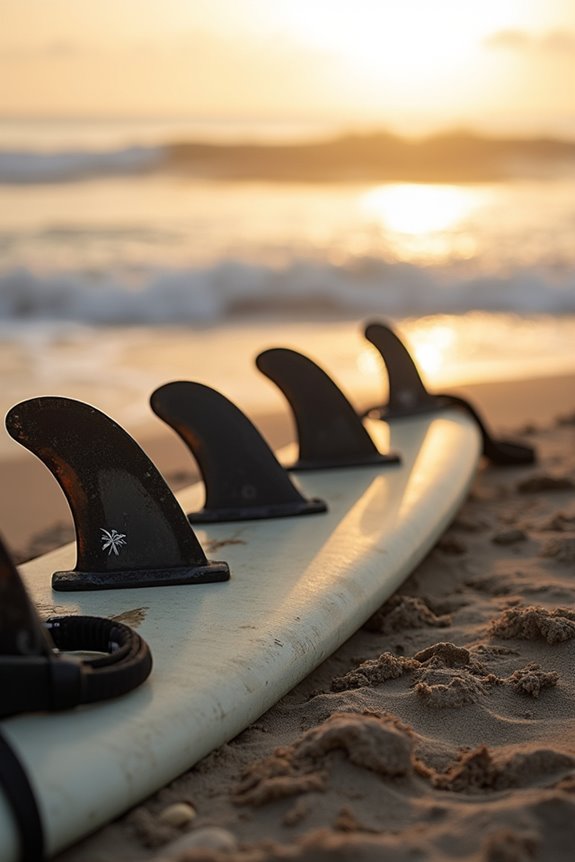
To effectively overcome the fear of big waves, we should focus on gradual exposure and skill progression in 2026. This involves incremental progression in wave size, starting with waves that are slightly larger than our comfort level. By doing so, we can avoid feeling overwhelmed and reduce the risk of injury.
We can enhance wave acclimation by practicing critical maneuvers on smaller, controlled waves, such as popping up and bottom turns. Tracking our progress systematically helps us assess readiness for the next wave size increment, which reduces our fear response. Additionally, spending time in the water observing wave patterns can improve our decision-making and timing. Overall, adopting a patient mindset and embracing gradual exposure is essential for building confidence in big waves in 2026. Moreover, taking lessons from local surf schools can provide valuable guidance on local surf etiquette and help us navigate the water safely.
Physical Preparation and Safety
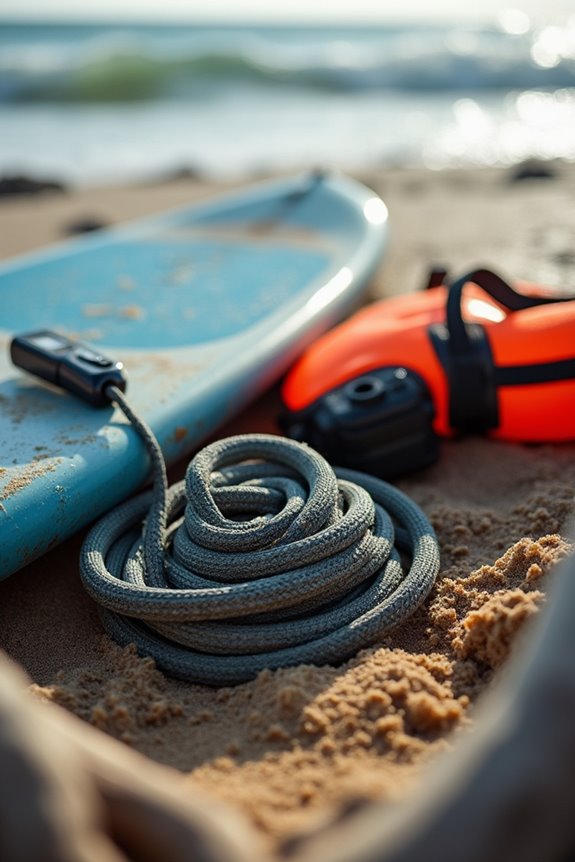
Effective physical preparation is essential for safely traversing big waves and improving our overall surfing performance in 2026. We should focus on physical conditioning through targeted strength training, including upper body exercises like pull-ups, push-ups, and dumbbell shoulder presses. These strengthen crucial muscle groups for paddling and balance, while deadlifts enhance core stability and support injury prevention.
Core stability exercises, such as planks and Russian twists, will further enhance our control on the board. Additionally, lower body workouts like squats and lunges improve our power and stability. Cardiovascular endurance can be developed through swim intervals and paddling-specific training. Finally, incorporating yoga for flexibility and mindfulness will prepare our bodies and minds for the challenges of big waves. Remember to prioritize a snug fit in your wetsuit sizing to ensure maximum insulation and comfort while surfing in 2026.
Recommended Products
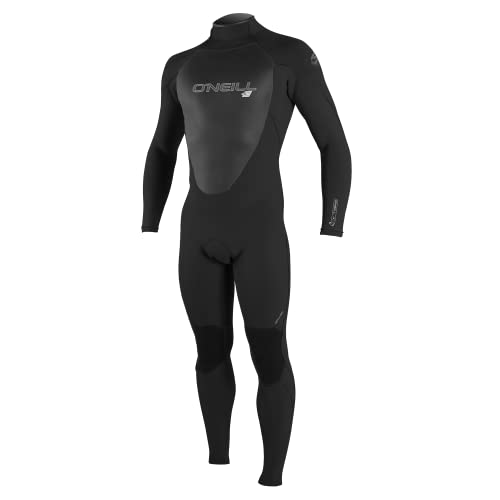
Ideal Value Driven Wetsuit; Perfect For Surfing, Diving, Paddle Sports, Lake Activities, And Beach Days

Sun Protection: Swim tights for women provide maximum coverage for people who are extremely sun sensitive or spend extended periods of time on the water

3/2MM NEOPRENE DESIGN FOR WATER FUN – Made with a 3mm chest and thigh area for extra core warmth, plus 2mm arms and lower legs for easier movement. A practical kids wetsuit for swimming, surfing, snorkeling, beach days, pool play, and water sports.
Managing Fear and Anxiety
Although fear of big waves is a common experience for surfers, we can adopt effective strategies to manage it in 2026. One useful method is visualization techniques. By mentally rehearsing successful rides—imagining paddling out, positioning, and completing the ride—we reinforce our confidence and reduce anxiety. Personalizing these visualizations to fit our preferences enhances their effectiveness.
Additionally, conscious breathing can greatly help. Practicing deep, mindful breathing before entering the water activates our relaxation response, reducing stress. Techniques like slow inhalation through the nose and controlled exhalation anchor us during moments of fear. Regular practice of these breathing techniques fosters emotional regulation, making it easier to face challenging surf conditions. Together, these strategies can help us manage our fear effectively. Moreover, seeking lessons from experienced instructors at surf schools in Maui can provide valuable guidance and support in overcoming these fears in 2026.
Technical Focus and Control
Mastery of technical skills is essential for steering big waves effectively in 2026. To improve paddling efficiency, we should focus on maintaining a high chest position, which enhances our stroke length and power. Avoiding bad habits, like slumped posture, minimizes drag and allows for quicker adjustments.
Understanding wave dynamics is equally crucial. We need to recognize wave patterns and energy to position ourselves for proper takeoffs. Practicing sprints helps develop fast-twitch muscle recruitment, which is significant for rapid paddling adjustments when steering larger waves. By gradually exposing ourselves to bigger waves and using surf forecasting, we can enhance our timing, control, and overall wave riding experience, ensuring we’re well-prepared to tackle the challenges ahead. Additionally, utilizing board size and volume can greatly impact our stability and performance in challenging conditions in 2026.
Recommended Products
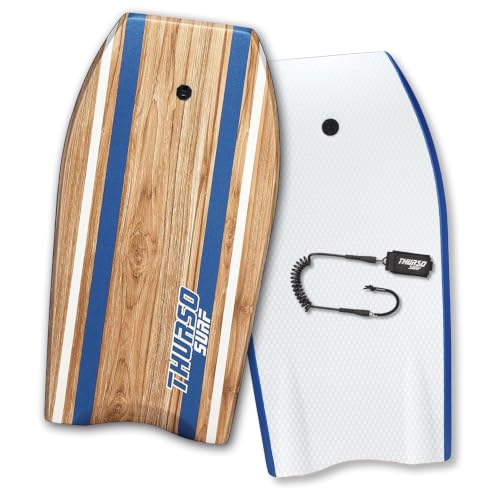
-Stable and Easy to Ride – Designed for all wave conditions, Quill beach board is the ideal bodyboard for kids and adults, beginners and intermediate alike. The 42-inch body board for the beach is the right size for surfers up to 210 lbs.
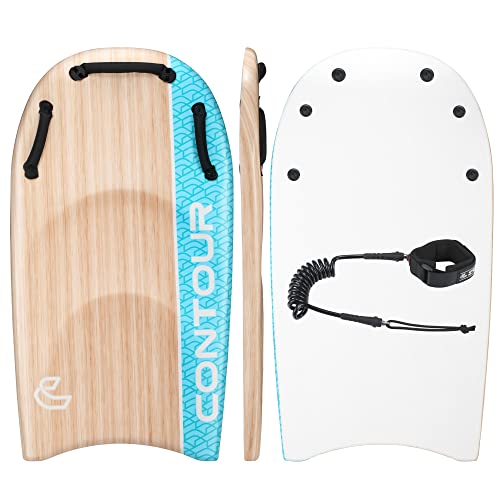
FAMILY BODYBOARD: This Body Boards for Beach Kids is the Perfect Body Board to Promote Family Fun in the Surf. This Surf Boards Adults is Ideal for Parents to Take Their Children to Play in the Water Ocean Pool

Stable and Easy to Ride – Designed for all wave conditions, Quill beach board is the ideal bodyboard for kids and adults, beginners and intermediate alike. The 42-inch body board for the beach is the right size for surfers up to 210 lbs.
Social Support and Encouragement
When we face the intimidating challenge of big waves, having a strong social support network can greatly ease our anxiety and enhance our performance in 2026. Peer encouragement from friends or fellow surfers helps reduce feelings of isolation and boosts our confidence.
Community Bonding
Engaging in surf groups or buddy systems not only increases safety but also fosters a sense of belonging. When we share experiences and fears, we normalize our responses and reinforce gradual exposure to big waves.
Mentorship
Experienced surfers can provide valuable mentorship, sharing practical advice on safety techniques and coping strategies. This support builds trust and enhances our skills, making it easier to confront our fears. Additionally, many surf schools offer tailored lessons that cater to different skill levels, ensuring that surfers receive the guidance they need to navigate challenging reef breaks in 2026.
Frequently Asked Questions
What Are the Common Physical Symptoms of Fear When Surfing?
Imagine paddling out when suddenly our heart’s racing, shallow breathing takes over. We often experience palpitations, dizziness, or trembling. Recognizing these symptoms helps us understand fear while surfing, enabling better management during challenging moments.
How Can I Tell if I’m Ready for Bigger Waves?
To determine if we’re ready for bigger waves, we should assess our wave experience and skill level. Consistently handling familiar waves and gradually increasing size helps build the confidence necessary for tackling larger challenges ahead.
What Should I Do Immediately After a Wipeout?
After wiping out, we should focus on surf recovery. Let’s take a deep breath, assess for injuries, and clear the impact zone. Staying calm helps us reset and prepare for the next wave.
Can Meditation Help With Surfing Anxiety?
Like a lighthouse guiding us through stormy seas, mindfulness techniques and visualization exercises can definitely help with surfing anxiety. Together, we can embrace the ocean’s challenges, transforming fear into confidence and clarity. Let’s ride those waves!
How Do Weather Conditions Affect Wave Fear?
We understand weather conditions greatly affect wave fear; higher wind speeds lead to increased wave height, amplifying our anxiety. Understanding these factors helps us manage our emotions better when facing intimidating ocean conditions together.