As an Amazon Associate, we earn from qualifying purchases. Some links on this site are affiliate links at no extra cost to you. Our recommendations are based on thorough research and editorial judgment.


How Can I Prevent Shoulder Injuries From Surfing?

To prevent shoulder injuries from surfing, we can strengthen shoulder muscles, improve flexibility, and practice proper techniques. We should focus on lower trapezius exercises, use dynamic warm-ups, and engage in cool-down stretches to alleviate tension. Maintaining correct arm stroke mechanics and aligning our shoulders with the board’s centerline helps reduce strain. Additionally, incorporating balance training, like using balance boards and yoga poses, enhances coordination. Following these practices will keep us safer and boost our overall performance in the water. More tips await below.
Key Takeaways
- Strengthen lower trapezius and rotator cuff muscles through targeted exercises to enhance shoulder stability and endurance.
- Maintain proper paddling technique by engaging your entire upper body and keeping a streamlined body position.
- Incorporate dynamic stretching and warm-up routines to prepare shoulder muscles before surfing, preventing strain.
- Use quality surfboards that reduce shoulder strain while improving overall performance in the water.
- Implement balance and proprioception training to enhance coordination and minimize the risk of shoulder injuries.
Strengthening Shoulder Muscles and Upper Body
You may be interested



To enhance our surfing experience and prevent shoulder injuries, it’s vital to focus on strengthening our shoulder muscles and upper body. Lower trapezius strengthening is essential, as weakness in this area can lead to shoulder pain. We can perform exercises like lying prone and lifting our shoulders off the ground, progressing to holding the position for 30 seconds while lifting our hands.
Additionally, rotator cuff conditioning supports our shoulder joint. Overhead shoulder hovers can help improve our external rotation and stabilization. By incorporating these exercises and maintaining proper form, we can build endurance in our shoulder muscles. Regular training in these areas reduces injury risk during paddling, enhances our surfing performance, and guarantees longer, more enjoyable sessions in the water. Furthermore, using quality surfboards can improve performance and reduce the strain on our shoulders.
Recommended Products

5 Level Resistance(3-20pounds): You will get a set of resistance bands including five colors, different colors represent different stretching forces. Each stretch strength (color) is suitable for different exercise levels and different exercise purposes. And unisex.
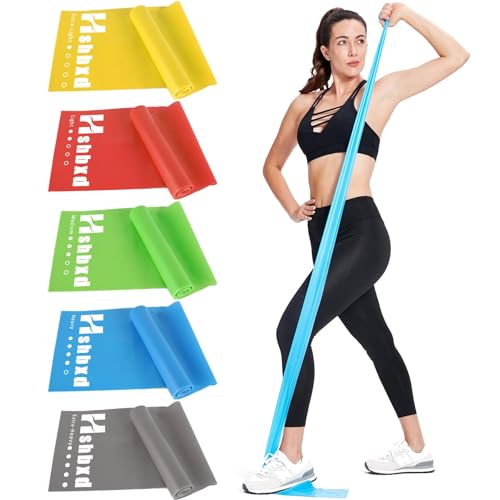
Good Quality Exercise Bands - Made of TPE material, TPE is environmentally friendly, non-toxic and safe, has a wide range of hardness, soft touch, weather resistance, fatigue resistance and temperature resistance, used TPE old products can be recycled after simple regeneration, reducing Environmental pollution, expanding the source of renewable resources. The product is latex and powder free and fragrance free.

🔹 PREMIUM NATURAL LATEX FOR LONG-LASTING PERFORMANCE: Made from 100% natural latex, these resistance bands deliver smooth, consistent resistance without snapping or losing shape. Durable, elastic, and built for daily workouts — safe and reliable for every training session.
Improving Flexibility and Mobility
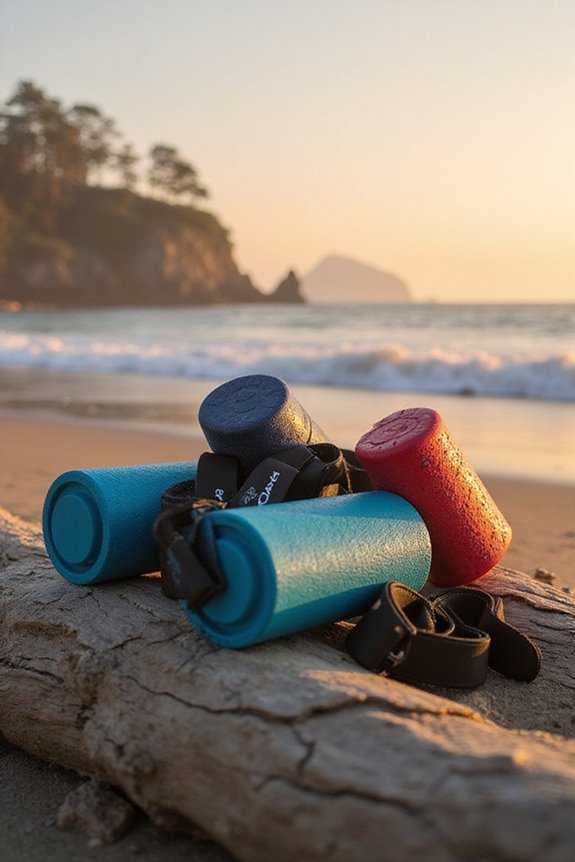
Improving flexibility and mobility is essential for surfers, as these aspects greatly impact our performance and reduce the risk of injury. We can enhance spinal flexibility through routines like the cat/cow yoga pose, which promotes better thoracic range of motion crucial for paddling. Additionally, thoracic spine rotation exercises help alleviate stiffness from repetitive motions.
Focusing on hip mobility is equally important. Incorporating side lunges and lizard lunges can increase hip joint mobility, improving balance and strength during maneuvers on the board. Dynamic lunge and twist exercises target hip flexors, aiding fluid movements and reducing strain on our shoulders. Regularly practicing these mobility drills not only prepares our bodies for surfing but also minimizes the risk of overuse injuries. Adding yoga poses like Downward-Facing Dog can further enhance flexibility in hamstrings and calves, promoting better positioning while surfing.
Recommended Products

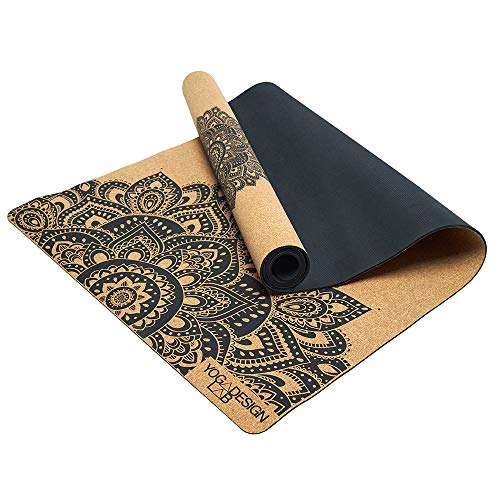
ECO-FRIENDLY - Designed to love the earth! Our cork mat is made with a 100% natural rubber base layer topped with a renewable and sustainable cork top layer.

EXTRA THICK YOGA MAT: 72"(183cm) x 32" (80cm) Thickness: 12 mm, exercise mats make for the ideal all purpose fitness mat in the studio or at home, even around the house under knees or as a standing pad or cushion, ideal almost for everyone.
Proper Surfing Technique and Alignment

Paddling Efficiency
- Engage your entire upper body, including core and legs, to minimize shoulder strain.
- Use correct arm stroke mechanics to reduce repetitive stress on the rotator cuff.
- Keep a streamlined body position for improved propulsion and less shoulder load.
Pop-Up Mechanics
- Align your shoulders with the board’s centerline to maintain balance.
- Use core strength to initiate your pop-up, keeping shoulders relaxed and arms slightly bent.
- Drill proper pop-up technique to develop safe muscle memory and prevent injury. Additionally, understanding proper board dimensions can help in selecting a surfboard that is more suited to your body type, which can further reduce the risk of injury.
Warm-up and Cool-down Practices
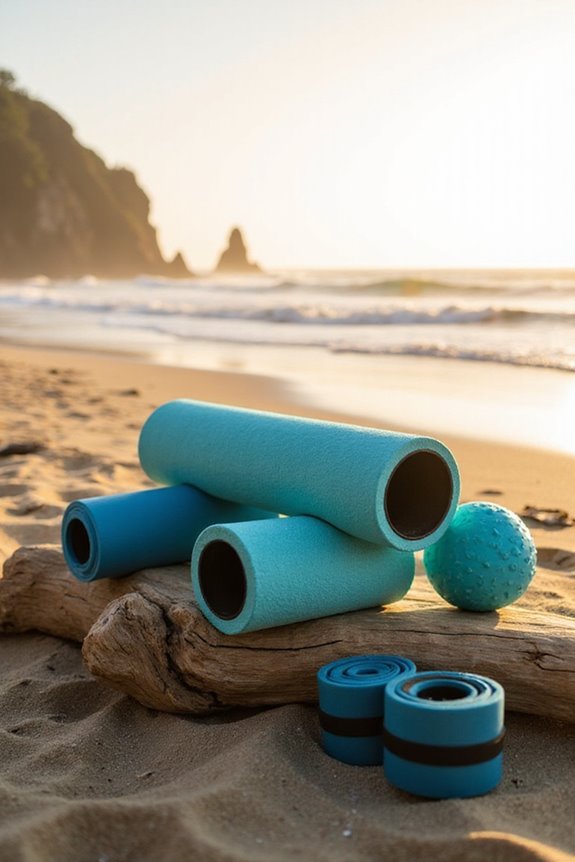
Warm-up and cool-down practices play an essential role in preventing shoulder injuries while surfing. By incorporating effective warm-up routines, we can prepare our bodies for the physical demands of the sport. Starting with light aerobic activities, like jogging or brisk walking for 3 to 8 minutes, boosts our heart rate and blood flow. Dynamic stretching exercises, including arm swings and leg lunges, help loosen up the muscles and joints we use while paddling.
After surfing, implementing cool down strategies is critical. Engaging in static stretches that target major muscle groups promotes recovery and flexibility. Simple stretches for the shoulders and neck can alleviate tension, ensuring our muscles remain relaxed and prepared for future sessions. Prioritizing these practices keeps us healthy and injury-free. Additionally, being aware of surf etiquette can enhance your overall surfing experience by fostering a respectful environment with fellow surfers.
Recommended Products

Aqua Silk lining on all interior panels. Super soft, 250% stretch neoprene provides a “melt in your hand” feel.

WARMEST WETSUIT AVAILABLE FROM BARE: The wetsuit is designed with a 5MM Neoprene material woven with a unique Graphene Omnired fabric into the liner. This material has been proven to react to your body heat and convert it into infrared energy for maximum body warmth

WARMEST WETSUIT AVAILABLE FROM BARE: The wetsuit is designed with a 7MM Neoprene material woven with a unique Graphene Omnired fabric into the liner. This material has been proven to react to your body heat and convert it into infrared energy for maximum body warmth
Proprioception and Balance Training
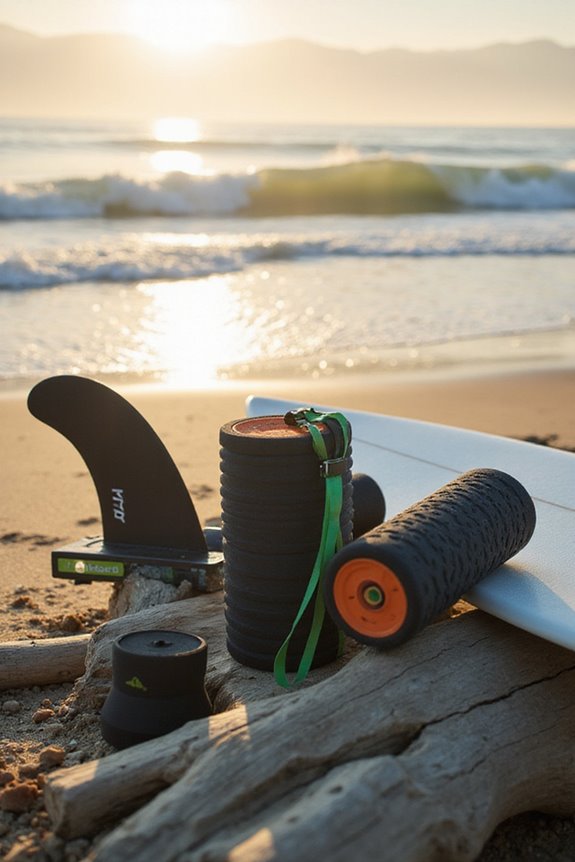
To enhance our surfing performance and reduce the risk of shoulder injuries, incorporating proprioception and balance training is essential. Balance boards are excellent tools that simulate unstable surfing conditions, helping us improve our coordination and muscle engagement. By practicing various stances, like regular or switch, we develop foot awareness important for quick reflexes on waves.
In addition, yoga poses such as Tree Pose and Warrior III enhance our balance and spatial awareness. Practicing these postures barefoot increases our sensitivity to the ground, which is critical when surfing. Together, balance boards and yoga can greatly improve our stability, precision in maneuvers, and overall body control, reducing the likelihood of shoulder injuries during our sessions in the water. Moreover, utilizing balance training equipment can further enhance our workouts and overall performance.
Recommended Products

Build Core Strength & Total Body Control Improve balance, coordination, agility, and core stability with every session. This balance trainer engages your legs, abs, and back muscles, helping you develop the body control needed for surfing, snowboarding, skateboarding, hockey, and fitness training.

Customizable Challenge for All Skill Levels stoppers that let you adjust the tilt range from narrow to wide. Beginners start with stable, controlled movements, while advanced users remove stoppers entirely for full-range training. One board grows with you as your balance improves.

Premium 2-Ply Canadian Maple Wood Construction – Crafted from high-quality 2-ply Canadian maple wood for exceptional durability and a smooth, responsive ride. Sturdy build supports adults of all sizes, ensuring long-lasting performance through countless training sessions.
Core and Complementary Muscle Conditioning
Strengthening our core and complementary muscles is essential for preventing shoulder injuries while surfing. A strong core enhances core endurance, stabilizing our torso to reduce strain on shoulder joints during paddling and maneuvers. We should incorporate dynamic exercises like planks, Russian twists, and bicycle crunches to improve balance and overall body control.
Additionally, strengthening complementary muscles, such as the lower trapezius and mid-back extensors, helps alleviate shoulder strain. Exercises like band pull-aparts and prone swimmers promote scapular stability and thoracic extension, vital for maintaining good posture. By focusing on these areas, we can enhance our surfing performance while reducing the risk of injuries, ensuring more enjoyable and safer sessions in the water. Engaging in mindfulness practices can also improve our ability to manage physical demands during surfing, further supporting injury prevention.
Frequently Asked Questions
What Are Common Signs of Shoulder Injuries in Surfers?
When we experience shoulder pain, we should pay attention to injury symptoms like sharp sensations during arm lifts, weakness, or stiffness. These signs can impact our performance and indicate underlying issues needing attention.
How Often Should I Perform Shoulder Exercises for Prevention?
We should perform shoulder exercises 2-3 times a week to enhance shoulder stability and support injury prevention. Consistent practice with proper technique helps us build resilience and maintain our shoulder health for all activities.
Can I Surf With a Previous Shoulder Injury?
We can surf with a previous shoulder injury, but it’s essential to use rehabilitation techniques and make surfing modifications. Evaluating our condition and consulting a professional guarantees we safely enjoy the waves without risking further injury.
Are There Specific Surfboards That Help Reduce Shoulder Strain?
When we think of surfboard design, it’s like choosing the right shoes for a marathon. By considering shoulder ergonomics, we can select boards that enhance our paddling efficiency, reducing strain and keeping us surfing longer.
How Do I Choose the Right Surf Leash to Protect My Shoulders?
When choosing the right surf leash, we should consider leash length to avoid sudden tugs and select durable leash material like urethane for reliable performance. This helps protect our shoulders during those intense wipeouts.