As an Amazon Associate, we earn from qualifying purchases. Some links on this site are affiliate links at no extra cost to you. Our recommendations are based on thorough research and editorial judgment.


How Do I Avoid Surfing Burnout?

To avoid surfing burnout, we should prioritize balance by incorporating rest and recovery into our routine. It’s essential to notice signs like mental fatigue, physical exhaustion, and self-doubt. To maintain motivation, we can mix competitive surfing with recreational sessions. Engaging in cross-training activities like strength training and yoga will improve our overall performance. Additionally, practicing mindfulness helps manage stress. By following these strategies, we can enhance our surfing experience and performance, promoting long-term enjoyment on the waves.
Key Takeaways
- Prioritize rest and recovery to allow your body to heal and prevent burnout from prolonged surfing stress.
- Incorporate variety in your training by mixing surfing with cross-training activities like strength training and yoga.
- Set balanced goals that include both competitive and recreational surfing to maintain motivation and enjoyment.
- Listen to your body; recognize signs of fatigue and take breaks when needed to prevent mental and physical exhaustion.
- Engage with fellow surfers to foster a supportive community, enhancing motivation and enjoyment without competition pressure.
Understanding Surfing Burnout
You may be interested



Surfing burnout is a common issue that many surfers experience, regardless of their skill level. It’s a state of emotional exhaustion caused by prolonged stress and the physical demands of surfing. Factors such as unrelenting training schedules, pressure to perform, and lack of recovery periods can contribute to this burnout.
When we push ourselves too hard without adequate rest, we risk losing our surfing motivation. The repetitive nature of training can lead to a decline in enthusiasm and creativity. Recognizing that emotional exhaustion can affect our performance is essential. By prioritizing recovery, incorporating variety into our routines, and listening to our bodies, we can help prevent burnout and maintain a healthy relationship with surfing. Additionally, practicing mindfulness meditation can enhance emotional regulation and resilience, aiding in the prevention of burnout.
Recognizing the Signs of Burnout

Recognizing the signs of burnout is essential for maintaining our passion for surfing. We might experience mental fatigue, characterized by hesitation and poor decision-making during maneuvers. This can lead to feelings of self-doubt and a noticeable decline in our confidence.
Physical exhaustion often manifests as persistent muscle tiredness in our core, back, and legs. We may find ourselves more clumsy, leading to increased wipeouts and slower reaction times. Additionally, chronic fatigue can result in poor sleep quality, impacting our recovery and overall performance. Investing in quality surfing gear can help enhance our performance and enjoyment of the sport.
If we notice these signs, it’s vital to take a step back and evaluate our surfing habits. Ignoring them can lead to further burnout and hinder our love for the sport.
Importance of Rest and Recovery

When we prioritize rest and recovery, we give our bodies the chance to heal and perform at their best. Rest benefits include muscle repair, preventing overuse injuries, and reducing soreness through activities like stretching and massage. Incorporating recovery strategies, such as post-surf cool-downs, allows our heart rate to stabilize and reduces muscle stiffness.
To enhance recovery, we should focus on:
- Nutrition: Consuming protein-rich foods and magnesium aids muscle repair.
- Active Recovery: Gentle yoga or swimming improves circulation.
- Sleep: Prioritizing quality sleep supports hormone regulation and overall restoration. Additionally, wearing wetsuit pants during cold-water activities can help maintain warmth and comfort, further supporting recovery efforts.
Recommended Products

SUPPORTS BONE AND MUSCLE HEALTH (1): These magnesium tablets help maintain bone health and play a role in maintaining bone mineralization(1)

MULTI-SOURCE MAGNESIUM BLEND - Embrace the power of diversity with our Toplux Magnesium Complex. This blend is formulated with 8 unique forms of elemental magnesium, and ensures maximum absorption. Every form, from Magnesium Oxide to Magnesium glycinate, brings its unique advantage to the table, ensuring that your body benefits from the full spectrum of magnesium's benefits. It's not just a supplement; it's a comprehensive magnesium experience formulated for maximum benefit.
![Magnesium 400mg [High Potency] Supplement – Magnesium Oxide for Immune Support, Muscle Recovery, Leg Cramps and Relaxation 120 Tablets](https://m.media-amazon.com/images/I/41A9+SJ9rLL._SL500_.jpg)
Balancing Competition and Recreation

Balancing competition with recreation is essential for maintaining our passion for surfing while promoting long-term engagement. A competitive mindset can drive us to improve, but if we focus solely on results, we risk losing the recreational joy that keeps us motivated.
To achieve balance, we can set goals that incorporate both competitive targets and recreational milestones. This approach helps reduce psychological fatigue and maintains our intrinsic motivation. Engaging in recreational surfing can serve as a stress relief, allowing us to enjoy the sport without the pressure of competition. Additionally, participating in lessons with experienced instructors can refresh our skills and reignite our enthusiasm for surfing.
Moreover, staying connected with fellow surfers during recreational sessions enhances our overall experience and motivation, making our surfing journey enjoyable and sustainable. Let’s prioritize this balance for a healthier surfing lifestyle.
Recommended Products

-Stable and Easy to Ride – Designed for all wave conditions, Quill beach board is the ideal bodyboard for kids and adults, beginners and intermediate alike. The 42-inch body board for the beach is the right size for surfers up to 210 lbs.
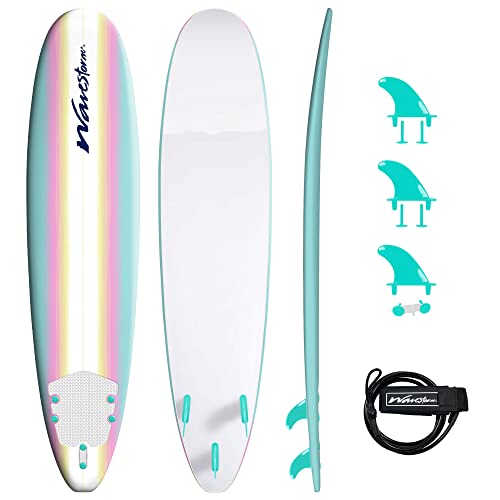
Soft Foam Construction Classic Surfboard, strong EPS core with 3 stringer system

Building Surfing Frequency Gradually
To enhance our surfing experience and prevent burnout, we should focus on gradually increasing our surfing frequency. This means establishing a manageable surfing routine that incorporates micro-habits, such as balance exercises or paddle drills. By starting with brief sessions, like 10-minute drills, we build foundational surfing fitness.
We can employ an incremental growth approach, moving from one to two surf sessions per week, then progressing to three over several weeks. It’s essential to monitor our recovery and energy levels, allowing rest days between sessions. As we notice reduced soreness and improved endurance, we can safely increase our surfing frequency. This method helps us enjoy the sport while minimizing the risk of physical and mental fatigue. Additionally, wearing a 4/3mm wetsuit can significantly enhance comfort and performance during longer sessions in colder waters.
Engaging in Cross-Training Activities
Engaging in cross-training activities can considerably enhance our surfing performance and overall enjoyment of the sport. By incorporating activity variety, we can reap significant cross training benefits that help us stay engaged and motivated.
Strength Training
- Builds core stability for balance
- Develops leg power for explosive takeoffs
- Enhances upper body endurance to reduce paddling fatigue
Flexibility and Mobility
- Yoga poses improve flexibility for surfing movements
- Dynamic stretching enhances range of motion
Cardiovascular Conditioning
- Swimming boosts upper body strength and lung capacity
- HIIT improves stamina and recovery speed
These practices not only support our physical conditioning but also help reduce the risk of injuries, allowing us to enjoy more time in the water. Additionally, incorporating yoga poses for surfers can further enhance flexibility and balance, essential for navigating challenging water conditions.
Recommended Products

EXTRA THICK FOR COMFORT & BALANCE: Solana firm 1-inch extra thick fitness mat w/ mat strap alleviates stress on pressure points such as joints, hips, hands, and knees. Solana measures 72" X 24" X 1".

CORK YOGA MAT: Crafted with natural cork top and eco-friendly TPE bottom for a premium, sustainable yoga and exercise experience, ensuring stability and comfort in your workouts.

Classic yoga mat: These durable, yet lightweight exercise yoga mats are extra thick (1/4 Inch) for the additional cushioning your joints need during any yoga or fitness routine
Utilizing Mindfulness Techniques
Utilizing mindfulness techniques can greatly enhance our surfing experience and help us avoid burnout. One effective approach is mindful breathing. By practicing deep, slow nasal breaths, we can rebalance our brain and body, promoting relaxation. Synchronizing our breath with the rhythm of ocean waves enhances our focus and presence.
Additionally, engaging our senses while surfing can improve our overall mindfulness. We should fully immerse ourselves in the sights, sounds, and sensations of the ocean, which helps ground our attention and reduces distractions. Regularly incorporating these techniques into our routine not only cultivates emotional balance but also builds mental resilience, making us more equipped to handle the challenges that come with surfing. Let’s embrace these techniques for a healthier surfing journey.
Prioritizing Physical Health and Safety
Prioritizing physical health and safety in surfing is vital, especially as we aim to enjoy our time in the water while minimizing the risk of injuries. To promote injury prevention, we should engage in consistent conditioning and strength training, which can greatly lower the risk of muscular and joint injuries.
Using appropriate safety gear, such as helmets and impact vests, can help reduce the severity of head and torso injuries. In addition, implementing adequate warm-up and cool-down routines assists in injury prevention and recovery.
Lastly, we must gradually progress in wave size and difficulty to avoid overexertion. Regular health screenings, particularly for older surfers, can also play a key role in reducing injury and fatality risks while we surf.
Frequently Asked Questions
How Can I Identify My Personal Burnout Triggers?
To identify our personal burnout triggers, we should engage in self-reflection practices and cultivate emotional awareness. By recognizing how we feel and what stresses us, we can better manage our well-being and performance.
What Role Does Nutrition Play in Preventing Burnout?
We’re not saying munching on kale will make our problems disappear, but embracing nutrition strategies and hydration importance could keep us from feeling like zombies. Let’s fuel our bodies to conquer the chaos ahead!
Can Social Surfing Events Help Reduce Burnout Risk?
Participating in social surfing events fosters community engagement and shared experiences, which help reduce burnout risk. Together, we can create lasting connections that enhance our well-being and keep our passion for surfing alive.
How Often Should I Assess My Mental Health Related to Surfing?
Like checking the tides, we should assess our mental health related to surfing regularly. Weekly assessments during sessions help us navigate our emotional seas, while monthly checks can keep our well-being afloat over time.
What Are Some Signs I’M Pushing My Limits Too Hard?
We can recognize when we’re pushing our limits too hard by noticing physical exhaustion like muscle fatigue and emotional fatigue that leads to frustration. If we feel detached or uninspired, it’s time to reassess our approach.