As an Amazon Associate, we earn from qualifying purchases. Some links on this site are affiliate links at no extra cost to you. Our recommendations are based on thorough research and editorial judgment.

How Do I Prepare For Surfing Competitions?

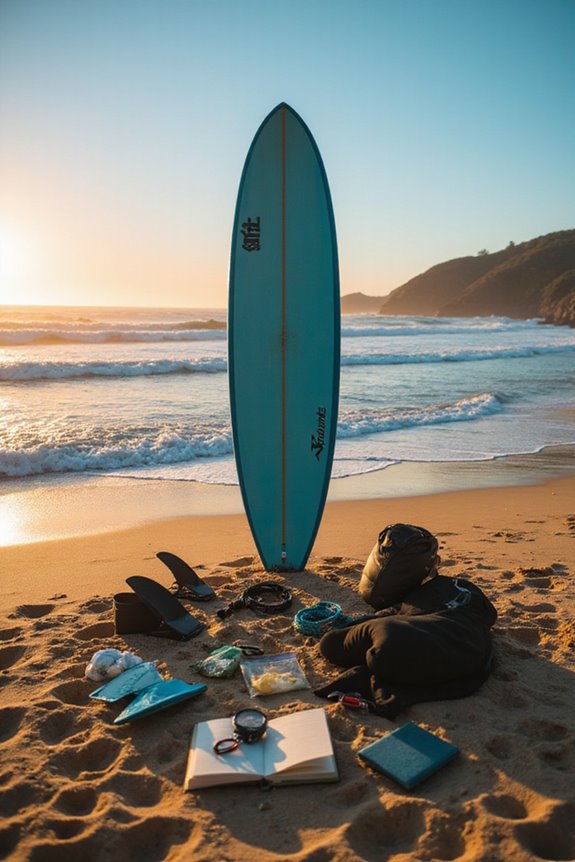
To prepare for surfing competitions, we must focus on several key areas. First, we’ll refine our skills through paddling technique, strength training, and endurance workouts. Next, mental preparation with goal-setting, stress management, and positive self-talk is essential. We should confirm our equipment is suitable for the conditions, and establish a strategic approach to wave selection during heats. Finally, maintaining proper nutrition and rest before and during the event helps guarantee peak performance. Learn more about effective preparation strategies.
Key Takeaways
- Assess your skills to identify strengths and areas for improvement in paddling techniques and endurance.
- Set clear competition goals and practice mental strategies like imagery and positive self-talk to build confidence.
- Select appropriate equipment based on wave conditions and ensure regular maintenance for optimal performance.
- Focus on catching high-scoring waves and manage your time effectively during heats for better results.
- Eat balanced meals, stay hydrated, and prioritize rest to maintain energy and recovery throughout competition day.
Skill Development and Physical Training
You may be interested



When we prepare for surfing competitions, skill development and physical training are essential components that can enhance our overall performance. We start with a skill assessment to identify our strengths and areas needing improvement. This helps us tailor our training effectively.
Technique refinement is important. We focus on core paddling techniques by practicing sprint paddling and analyzing our stroke efficiency. We also incorporate strength training targeting our upper body and core with exercises like push-ups, pull-ups, and squats, enhancing our paddling power and stability.
Endurance training is crucial for longer sessions, so we engage in cardio workouts, interval swimming, and rowing. These activities improve stamina and delay fatigue, ensuring we’re prepared for competition day. Additionally, incorporating core strengthening workouts can further support our balance and control on the board.
Recommended Products

High Quality Latex Resistance Tube: The fitness tubes are made of natural latex that is stackable, non-irritant and odor free, thereby being an excellent choice for your health, fitness and performance. RitFit Resistance Bands with handles: Length of 4ft.
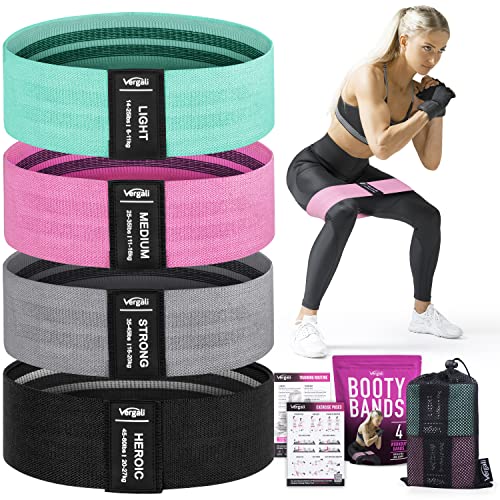
WON'T PINCH BARE LEGS. This at home workout equipment can be used over clothes or on bare skin without that horrible pinching you get with elastic bands. Enjoy comfortable workouts with these fitness bands whatever you are wearing

3-in-1 Resistance Exercise Band - The Gaiam Restore resistance band kit features 3 interchangeable resistance cords for progressive intensity as you get stronger with easy-adjust clips to add or remove bands for desired resistance levels.
Mental Preparation and Psychological Strategies
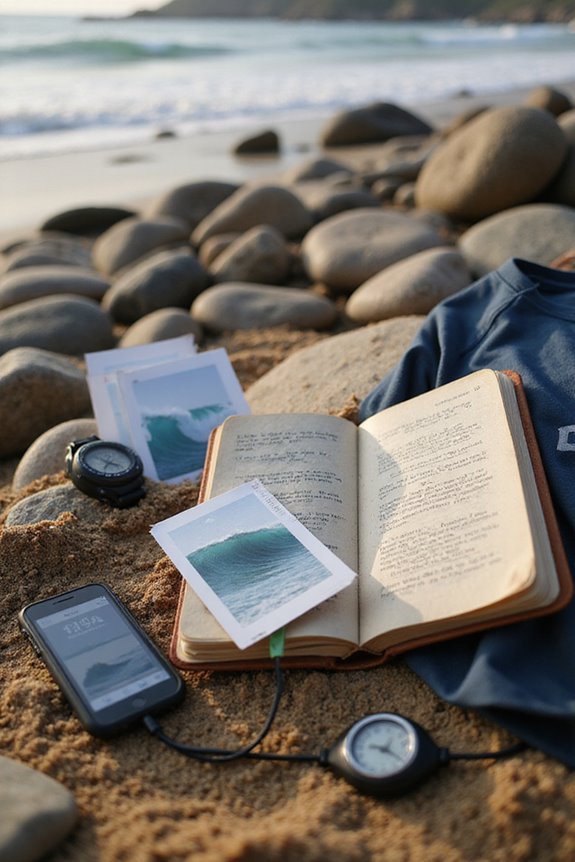
To excel in surfing competitions, we must prioritize mental preparation alongside our physical training. Setting clear goals and using mental imagery can greatly enhance our focus and confidence. By visualizing successful rides and strategic decisions, we prepare ourselves mentally for the challenges ahead.
Incorporating stress management techniques, like controlled breathing and mindfulness, helps us maintain composure during high-pressure moments. Developing emotional resilience through repeated exposure to competition stressors builds our tolerance to pressure, enabling us to perform better.
Additionally, engaging in positive self-talk and mental coaching transforms anxiety into self-belief, which is vital for peak performance. By integrating these psychological strategies into our routine, we can strengthen our mental game and improve our overall performance in competitions. Understanding surf etiquette can also enhance our confidence and interactions during competitive settings.
Equipment Selection and Maintenance
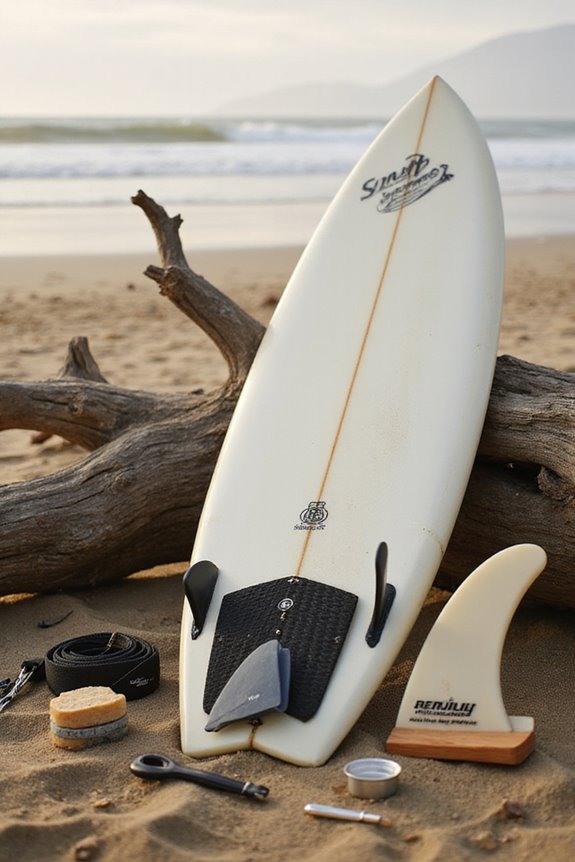
Selecting the right equipment is essential for our performance in surfing competitions. We need to choose appropriate board types based on wave conditions. For medium waves, all-round and high-performance shortboards work well, while big wave conditions require guns for speed and control.
Verifying gear compliance is vital; our equipment must be documented during registration. Wetsuit specifications also matter, as they should match the water temperature for comfort and insulation.
Regular maintenance routines are important too. We should clean our boards, check for dings, and verify fins are secure. Properly storing our gear in shaded areas prevents UV damage. By following these steps, we enhance our readiness and performance in competitions. Additionally, choosing durable surfboard materials can further improve the longevity and reliability of our equipment.
Recommended Products
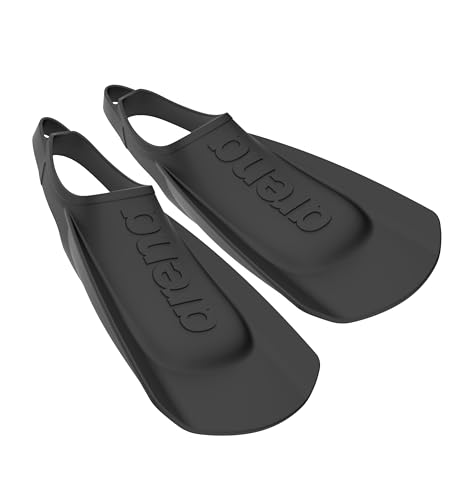
Upgrade your training and improve your leg technique with these comfortable and lightweight swim training fins that are super user-friendly and practical to put on for anyone
![XM SURF MORE Premium Surfboard Leash, 6ft, Made in USA, Comp Cord Thickness (0.220in), Key Pocket, Unbreakable Swivels, Detachable Railsaver, All Black, Kink-Free [3 Year Warranty]](https://m.media-amazon.com/images/I/415wh7zTAVL._SL500_.jpg)
SECURE YOUR BOARD: Choose your cord length and color. Our 5ft-10ft leash cord is designed for your shortboards and longboards. Easy to attach and durable so you never lose your board!

MATERIALS: Ultra-lightweight carbon. Producing a super light fin that helps generate speed through turns. “These fins have a real ‘whipping effect’ in smaller waves whereby they propel from one turn into the next. But they’re also stiff enough to load-up without overpowering the flex in the tip”
Strategic Competition Approach
Wave Selection
We should focus on selecting waves that allow for high-scoring maneuvers, like cutbacks and floaters. It’s important to catch fewer waves, prioritizing quality over quantity to conserve energy. Positioning ourselves deeper in the lineup grants priority on incoming sets. Additionally, understanding local surf etiquette can enhance our experience and respect for fellow competitors.
Heat Management
During heats, we should aim to ride only our top two scoring waves, maximizing length and maneuver quality. Staying outside and controlling priority is vital to prevent opponents from catching quality waves. We can use purposeful paddling to outpace others, ensuring better wave opportunities. Finally, tracking heat progress with a watch helps manage our time effectively during competitions.
Recommended Products

【Digital Watch with Ultra-clear & Enlarged Display】Using the imported EL backlit screen and enlarged digital numerals, perfect for quick time checks during intense workouts or outdoor activities. The mens digital watch offers 12/24H, Dual Time, Stopwatch, Countdown, and Split Timing functions—ideal for Referees, Swimming, Running and Training needing precise timing during games.

The waterproof level of this watch has reached 10 ATM waterproof, which can work normally at a depth of 100 meters (330ft) underwater. It is not only suitable for wearing in water activities such as swimming, diving, snorkeling, surfing, rowing, water skiing, but also suitable for wearing in daily life and outdoor sports, such as jogging, hiking, climbing, cycling, etc.

Through our dedicated teams perspectives, we contribute to a single unified expression: team-designed, custom-built accessories. This low profile watch is a reliable and comfortable timepiece for daily use brought to life by the Nixon family.
Understanding Competition Format and Judging
Understanding the competition format and judging criteria is essential for our success in surfing competitions. Heats consist of 2 to 4 surfers competing within a designated area, lasting 20 to 30 minutes. In 4-surfer heats, the top 2 advance, while in head-to-head heats, only the winner moves on.
Wave scoring is based on a 0 to 10 scale, with judges evaluating performance quality. The average score from five judges is calculated after discarding the highest and lowest scores. Only the two highest-scoring waves per surfer contribute to the total heat score, which can reach a maximum of 20. Prioritizing wave-catching order is vital, as it influences our opportunities for scoring during heats. Additionally, understanding ocean dynamics can significantly improve our strategy in selecting waves to ride.
Nutrition, Rest, and Event Day Routine
To guarantee we perform at our best during surfing competitions, it’s crucial to focus on our nutrition, rest, and event day routine.
Nutrition
- Pre-Competition Fuel: We should consume balanced meals with carbohydrates, protein, and healthy fats, like turkey sandwiches or smoothies.
- Energy Snacks: Portable snacks, such as trail mix or fruits, help maintain energy between heats.
- Post Heat Nutrition: Recovery meals should include protein and carbs to replenish glycogen, like grilled fish with quinoa.
Rest Techniques
- Prioritize quality sleep and plan rest periods to avoid fatigue.
- Incorporate active recovery methods like light stretching to enhance circulation.
Hydration Strategy
– Maintain hydration with water and electrolyte-rich fluids throughout the competition day. Additionally, understanding the importance of safety features in your surfing accessories can help prevent injuries during competition.
Recommended Products

Includes 10 Gatorade Thirst Quencher powder sticks each of Fruit Punch, Orange, and Lemon Lime flavors

When you sweat, you lose more than water. Replace what has been lost with Gatorade

Optimal Hydration Formula: Contains a balanced blend of electrolytes, vitamins, and minerals to support hydration and replenish the body’s essential nutrients.
Practicing and Simulating Competitive Heats
Additionally, we should work on rapid turns and bottom turn drills to master wave handling. By simulating the length of a heat, we build our endurance, ensuring we can maintain peak performance throughout the competition.
Frequently Asked Questions
How Do I Choose the Right Surf Competition for My Skill Level?
When we chose our first competition, it felt like paddling into uncharted waters. We found beginner classifications helpful, guiding us through event formats. Let’s assess our skills and pick contests that match our surfing journey.
What Should I Do if I Feel Too Nervous Before My Heat?
If we’re feeling too nervous before our heat, let’s focus on breathing techniques to calm ourselves. Positive affirmations can boost our confidence, reminding us of our skills and keeping anxiety at bay. We’ve got this!
How Can I Improve My Ocean Awareness During Competitions?
As we navigate the sea’s symphony, understanding wave patterns and ocean currents guides our journey. By studying local conditions, we enhance our awareness, ensuring safety and improving our performance during competitions. Let’s embrace the ocean together!
What Are the Typical Rules Regarding Competitor Conduct in Heats?
In heats, we must prioritize heat etiquette and uphold competitor sportsmanship. This means respecting fellow surfers, following signals, and adhering to rules, ensuring a fair and enjoyable competition for everyone involved. Let’s stay focused!
How Can I Build a Support System for Competition Day?
To build a solid support network, we should connect with competition buddies who understand our journey. Sharing experiences and advice fosters resilience, while organizing group sessions creates community, reducing anxiety and boosting motivation on competition day.