As an Amazon Associate, we earn from qualifying purchases. Some links may be affiliate links at no extra cost to you. Although our opinions are based on curated research, we haven't used these products. Articles generated with AI.

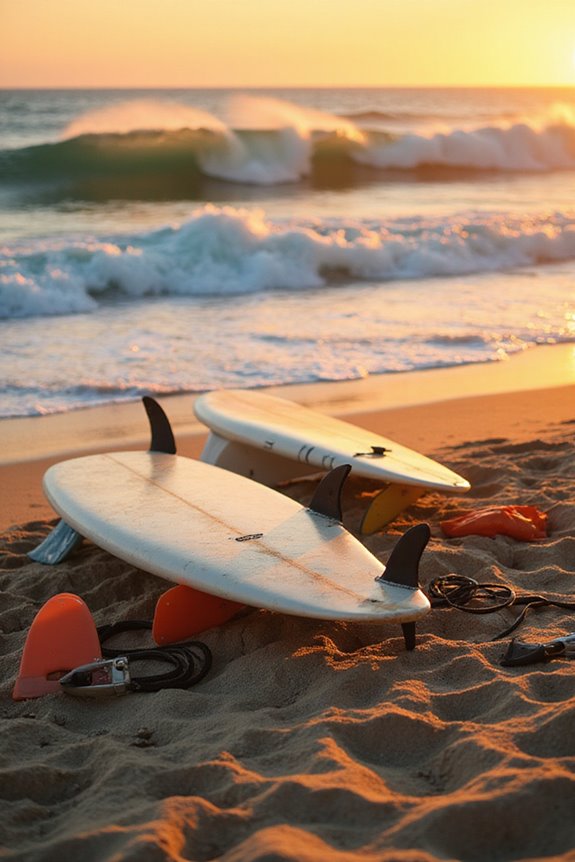
How Do I Surf In Barreling Waves?

To surf barreling waves successfully, we must understand wave dynamics and choose the right conditions. First, select steep-faced waves that form hollows and maintain energy. Position ourselves near the wave peak to maximize speed, and tuck our knees while keeping our chin up for control. Inside the barrel, we should shift our weight and use our arms for balancing. By mastering these techniques and practicing regularly, we can enhance our barrel riding skills and efficiency. You’ll discover more essential strategies as we proceed.
Key Takeaways
- Position yourself near the wave peak for maximum speed and control, keeping weight balanced on the back foot over the rail.
- Look for steep-faced waves with hollow sections, as these provide the best opportunities for barrel surfing.
- Maintain a low stance, tuck your knees, and shift weight to navigate smoothly inside the barrel without losing balance.
- Experiment with board length and fin configurations; a longer board and thruster setup enhance control and stability in barreling conditions.
- Regular practice and skill assessment, including video analysis, are essential for mastering the nuances of surfing barreling waves.
Understanding Barreling Waves
You may be interested



When we think about barreling waves, it’s essential to grasp their unique formation and characteristics. Barreling waves occur when the wave lip pitches forward, creating a hollow shape known as the barrel. This barrel formation is defined by a gap between the wave’s face and the lip, often seen in plunging waves over sandbars or reefs.
The dynamics of these waves are influenced by factors such as seabed topography, offshore winds, and local conditions. Steep, fast waves are ideal for barrel formation, demanding advanced skills from surfers. The wave’s intensity and slope greatly affect the likelihood of achieving a clean, rideable barrel, making understanding these elements vital for successful surfing. Many surfers seek out locations with consistent waves like those found at renowned spots such as the Gold Coast and Margaret River.
Wave Selection for Barrel Surfing
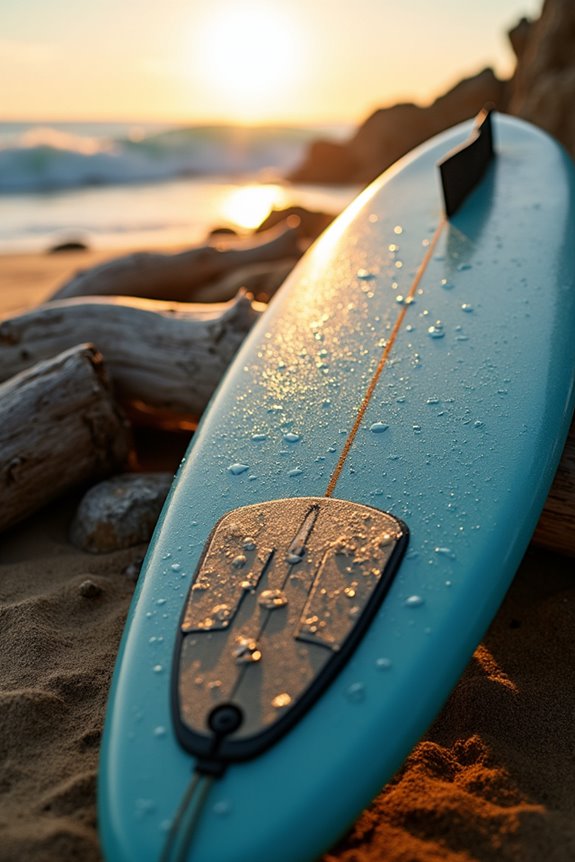
Understanding barreling waves prepares us to make informed choices about wave selection. We should seek steep-faced wave types with hollow sections, ideal for barrel formation. Transparent reef breaks and well-defined beach breaks typically offer superior barrels for practice.
When evaluating swell patterns, we need moderate-sized waves that maintain shape and energy throughout the barrel section. Smaller waves can provide manageable power, while larger waves demand precise timing for entering the barrel.
It’s essential to observe wave behavior to predict barrel opportunities. We should look for consistent barrel shapes, avoiding abrupt closeouts. Additionally, maintaining awareness of environmental factors like tide levels and hazards will enhance our safety and overall experience in the water. Local surf culture in areas like Tamarindo and Jaco can also provide valuable insights and tips for navigating barreling waves.

Heavy Duty: These 19mm thick (3/4”) braided quick cleat lines are rated for up to 2200 lbs (1800kg), perfect for kayaks, SUPs, or lightweight personal watercraft.

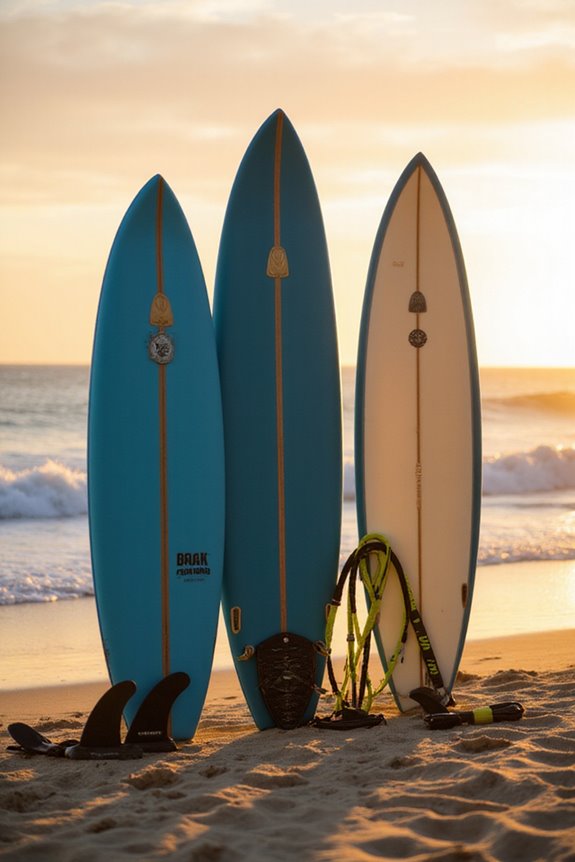
Al Merrick's template is designed for radical, progressive surfing. The raked side fins produce exceptional speed and drive, while the smaller centre fin on the medium and large template offer quick release through turns.

Fin Set Up: Tri (3 fin set)
Positioning and Takeoff
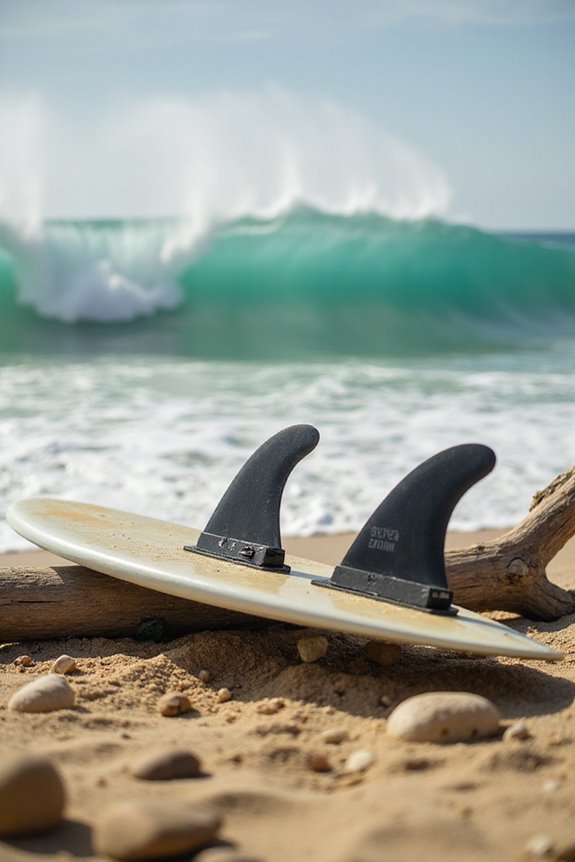
Positioning and takeoff are essential elements in successfully riding barreling waves, as they directly influence our ability to enter and navigate the barrel. To optimize our takeoff timing, we should select a takeoff spot near the wave peak, where it curls, allowing for maximum speed and a better chance of entering the barrel.
When positioning ourselves, we must keep our back foot over the rail to maintain control and pressure. Our knees should be tucked and pointed forward, while our chin stays up, and eyes focus on the direction we intend to travel. Additionally, using our hands on the wave face can help us adjust speed. Finally, trusting our instinct for deeper positioning often leads to ideal barrel entry. Understanding ocean dynamics is crucial for successful surfing, especially when attempting to navigate barreling waves.

LIGHTWEIGHT PROTECTION - Surf socks styled cover that protects your surfboard or SUP to and from the beach and prolongs its lifespan. Prevents wax from rubbing on your car's interior. We chose lightly colored material to help prevent your board from getting too hot (over 30° cooler than uncovered surfboards) and from UV discoloration and board delamination over time in the sun.

GREAT SURFBOARD BAG - Treat your valuable board right and with comfort. From routine storage to everyday transport, our durable Dakine Daylight Surfboard Bag can offer unbeatable lightweight, padded coverage for long term use.
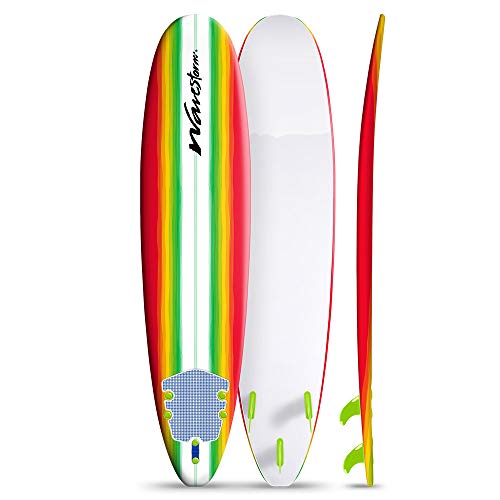
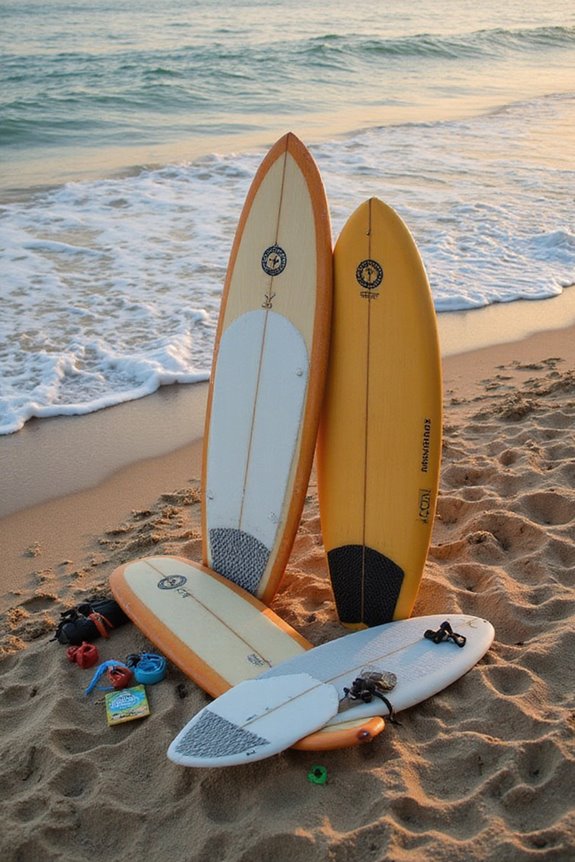
Soft Foam Construction Classic Surfboard, strong EPS core with 3 stringer system
Maneuvers Inside the Barrel
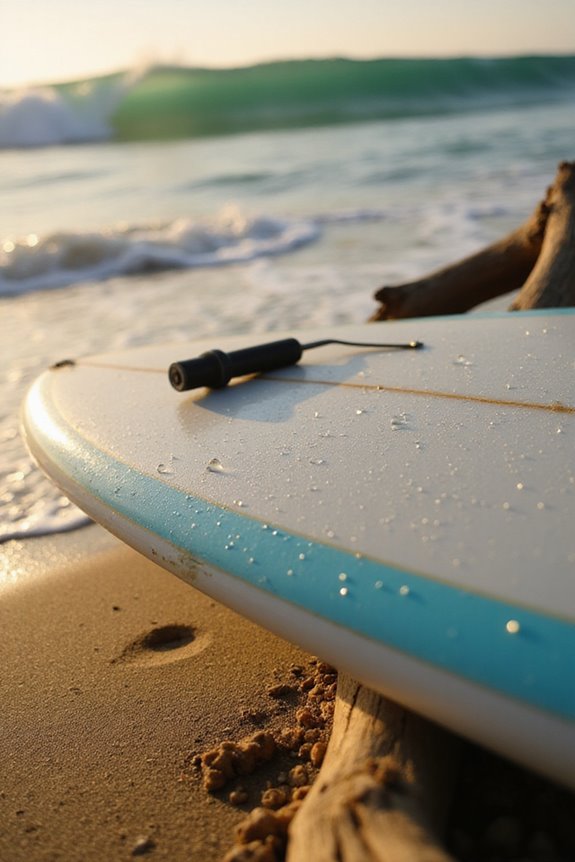
As we navigate the exhilarating experience of riding inside a barreling wave, maintaining control and balance is vital for a successful ride. Our body position plays a significant role; staying low and shifting weight between our feet allows for effective speed adjustments. Leaning back slows us down, while leaning forward accelerates our momentum.
To execute barrel maneuvers, we can make small turns to avoid sections closing out, and a smooth bottom turn after entry helps align with the barrel. When approaching the exit, shifting weight forward and increasing speed guarantees a clean departure. By using our arms for balance, making constant micro-adjustments, and focusing on the wave’s lip, we can effectively navigate and enjoy the ride inside the barrel. Additionally, practicing with essential surf training tools can enhance our balance and core strength, further improving our performance in barreling waves.
Safety and Risks
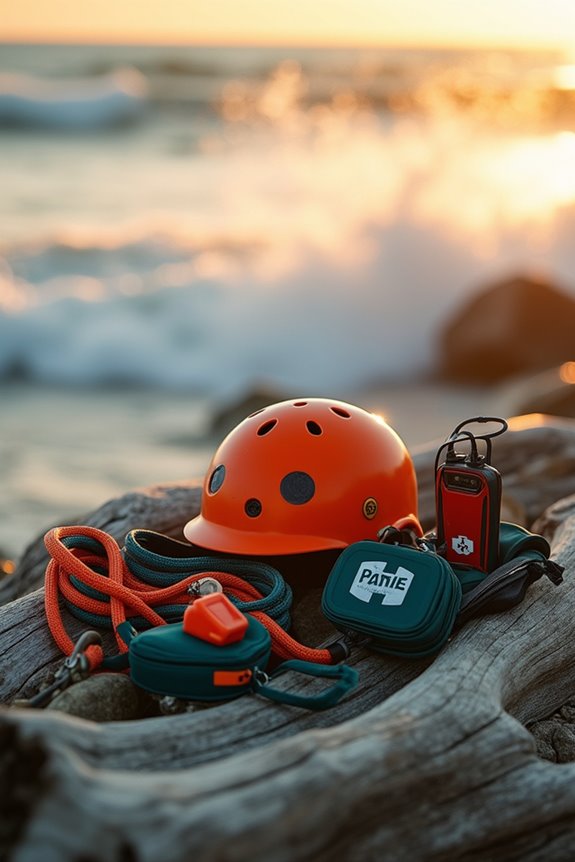
Riding barreling waves can be thrilling, but it’s important to recognize the safety risks involved. Understanding rip currents is critical, as they can quickly pull us away from shore. Identifying choppy waters or breaks in wave patterns helps us stay safe.
We need to be mindful of the wave power, as large waves can cause serious injuries. Progressive skill development and proper physical conditioning are fundamental for injury prevention. Additionally, having a reliable surf watch with water resistance level can provide timely information about conditions and ensure safety while out in the water.
Environmental hazards like rocks and reefs pose additional risks, so knowing our surf spots is essential. We should also check our equipment regularly and use safety precautions like wearing reef boots and using swivel leashes to minimize accidents. By staying informed and prepared, we can enjoy surfing while reducing risks.
Exiting the Barrel
Exiting the barrel is an essential part of our surfing experience, as it determines the success of our ride. To maximize our exit strategies, we need to maintain mental focus and position ourselves correctly. Lean back, keeping the board pointed downward, and shift our weight toward the front foot after passing beneath the wave. This helps us stay on track.
Using a controlled bottom turn is important for a smooth exit. We should visualize our exit line before entering and use our back arm against the wave face to modulate speed. As we approach the exit, anticipating the wave’s closure allows us to adjust our angle effectively. Maintaining balance and control will lead to a successful ride. Additionally, understanding fin configurations can significantly enhance our performance when navigating barreling waves.
Stalling Techniques for Barrel Riding
Stalling is a crucial technique for surfers who want to extend their time inside the barrel. We can use several methods to slow down, including arm drag, tail drag, and small wheelies.
- Arm Drag: Dragging an arm along the wave face creates friction, reducing speed effectively.
- Tail Drag: Pressing down on the tail with our back foot allows fine control over speed, often paired with an arm drag.
- Small Wheelies: Lifting the front of the board slightly can also help us stay deep in the barrel.
To stall successfully, we must read the wave’s behavior and maintain a low, relaxed stance. Adjusting foot pressure and positioning efficiently guarantees we maximize our barrel time.
Tips for Improving Barrel Skills
Improving our barrel skills can greatly enhance our overall surfing experience, allowing us to maximize our time inside the wave. To develop barrel vision, we must learn to read wave dynamics early, positioning ourselves deep in the pocket for longer rides.
Body Positioning
Crouching low lowers our center of gravity, increasing stability. We should engage the inside rail of our board with our front foot for better control.
Speed Management
Practicing stalling techniques helps us stay within the barrel’s hollow section. Balancing our weight will allow us to shift between stalling and racing smoothly.
Approach Strategies
Taking the drop early with our weight slightly back can prevent wipeouts, while keeping our eyes on the wave face helps maintain focus.
Gear and Equipment for Barrel Surfing
When it comes to tackling barreling waves, having the right gear and equipment is essential for success.
Surfboards
We recommend shortboards for their compact size and maneuverability. Look for a rounded pin tail design for better control and smoother exits. Boards that are 1-2 inches longer can help with barrel positioning, while extra rocker improves responsiveness on steep waves.
Fins
For fin configurations, a thruster setup offers stability and control, while quad or five-fin options provide speed but require more skill.
Safety Gear
A reliable foot leash is vital to prevent losing your board, and consider additional gear like impact vests or helmets for safety.
Frequently Asked Questions
What Are the Best Surfboards for Barreling Waves?
When choosing the best surfboards for barreling waves, we should consider shortboard designs that enhance performance factors like speed, control, and stability, ensuring we ride those powerful waves with confidence and precision.
How Can I Improve My Confidence in Barrel Surfing?
To improve our confidence in barrel surfing, we should practice visualization techniques and engage in mental preparation. By imagining our success and embracing the learning process, we can overcome anxiety and enhance our overall experience.
Are Barreling Waves Suitable for Beginners?
When we ponder barreling waves for beginners, we must heed safety tips and master beginner techniques first. They present challenges that can overwhelm, so it’s wise to build our skills before venturing into those powerful tunnels.
What Is the Ideal Surf Wax for Barreling Conditions?
When choosing surf wax for barreling conditions, we need to take into account surf wax types and temperature considerations. Opt for high-stickiness options like Fu Wax or Da Hui, ensuring they match the water temperature for peak performance.
How Does Tide Affect Barreling Wave Conditions?
As we ride the tides of knowledge, understanding tide patterns is essential for maximizing our wave size and barrel potential. Low tide often delivers hollow perfection, while high tide can soften our opportunities. Let’s ride wisely!